
 Caleb Turner

Regular cleaning is crucial. Use a soft brush and mild soap mixed with water to gently scrub surfaces, ensuring you remove dirt and grime without causing scratches. Aim to perform this task at least twice a year, as it prevents the buildup of mold and mildew.
Applying a protective coating every 6 to 12 months enhances durability. Choose a high-quality oil specifically designed for outdoor hardwoods, which helps retain the natural color and grain of the wood. Before application, make sure the surface is completely dry and free from dust or debris.
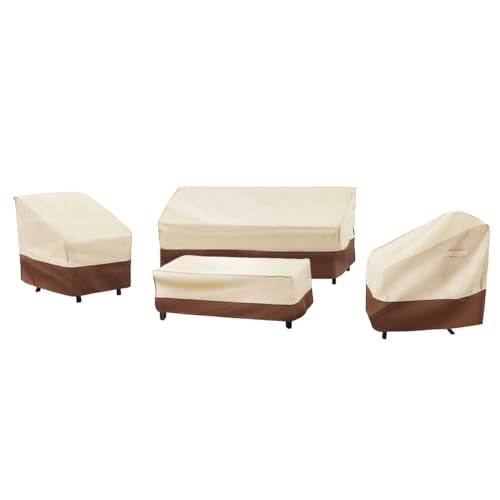


Consider covering your pieces during harsh weather conditions. Investing in breathable covers will shield them from excessive moisture, direct sunlight, and debris, helping to prolong their lifespan. During winter months, store the seating in a dry, cool area if possible.
Inspect your items regularly for signs of wear or damage. Crevices can trap water, so applying a sealant to vulnerable points can prevent moisture infiltration. If you notice splintering or cracks, sanding the affected areas will restore smoothness and comfort.
Maintenance Tips for Your Wooden Outdoor Seating
Regularly clean the surface with a soft cloth and mild soap solution to avoid dirt buildup and prevent damage. Rinse with water and wipe dry to keep it looking fresh.
Oiling Techniques
Applying a specialized oil designed for outdoor wood every six to twelve months helps retain its natural color and prevents fading. Choose a product that penetrates deeply to nourish the grain and repel moisture.
Protection from the Elements
During harsh weather conditions, use covers or store your items in a sheltered area. This minimizes direct exposure to sunlight and rain, reducing the risk of cracking and warping.
Inspect joints and fasteners regularly to ensure stability. Tightening loose parts can enhance durability. Avoid harsh chemicals or abrasive cleaners that could mar the surface. Your care will significantly extend its lifespan.
Choosing the Right Location for Your Outdoor Seating
Positioning your outdoor seating in a suitable area enhances both comfort and longevity. Opt for a spot that receives partial shade to protect against harsh sunlight, which can lead to fading and cracking over time. Try areas near trees or structures that provide natural cover.
Ensure that your chosen location has proper drainage. Avoid placing your items directly on grass or soil, as moisture retention can cause damage. Instead, consider using a patio or a similar surface that allows for better water flow.
Factors to Consider
| Factor | Recommendation |
|---|---|
| Sun Exposure | Partial shade is ideal; avoid intense direct sunlight. |
| Moisture | Use paved surfaces to prevent water accumulation. |
| Wind Protection | Avoid open spaces; consider barriers like walls or hedges. |
Periodic Movement
Occasionally relocating your pieces can prevent surface wear and allow for evenly distributed exposure to elements. This practice prolongs their lifespan while maintaining their aesthetic appeal. Make adjustments based on seasonal changes in sunlight and weather patterns.
Cleaning Your Teak Furniture: Steps and Recommended Products
I recommend regular cleaning to keep your outdoor pieces in excellent condition. Start by gently removing loose dirt and debris with a soft brush or a vacuum cleaner with a brush attachment. This prepares the surface for deeper cleaning.
Step-by-Step Cleaning Process
1. Mix warm water with mild detergent, such as dish soap, in a bucket. Avoid harsh chemicals that can damage the wood.
2. Dampen a soft cloth or sponge in the solution and wipe down the surfaces. Pay attention to crevices and joints where dirt tends to accumulate.
3. Use a soft-bristle brush for stubborn stains, applying gentle pressure to avoid scratching.
4. Rinse the furniture thoroughly with clean water to remove any soap residue, ensuring no moisture is left behind in corners.
5. Allow the pieces to dry completely before applying any protective treatments.
Recommended Products
For the best results, consider using specific cleaning solutions designed for wood, such as those containing natural soap or mild bleach alternatives. Brands that specialize in outdoor wood care often offer effective products. Additionally, teak oil can be applied after cleaning to enhance and maintain the natural beauty of your pieces.
For routine maintenance, a mixture of vinegar and water can serve as a natural cleaner, effectively reducing mildew and stains without damaging the finish.
Applying Teak Oil: When and How
I recommend applying oil to maintain the rich color and protect the wood. The best times for application are in early spring and late autumn, allowing your items to prepare for seasonal changes.
Start by cleaning the surface with a mild soap solution and a soft brush. Rinse thoroughly and let it dry completely, which may take a few hours. Avoid applying oil to damp surfaces, as this can trap moisture and lead to issues.
Once dry, use a clean, lint-free cloth or a brush to apply the oil. Work in the direction of the grain, ensuring even coverage. I usually apply a generous amount and allow the oil to penetrate for about 15 to 30 minutes. Any excess oil should be wiped off to prevent a sticky residue.
Repeat this application process every six months or as needed, depending on the exposure to the elements. This routine will keep the wood hydrated, resist fading, and prolong its life.
Preventing Water Damage: Tips for Outdoor Protection
Utilizing water-resistant covers when not in use serves as an immediate safeguard against moisture infiltration. These coverings keep rain and dew off, minimizing direct exposure to elements.
Positioning units at a slight angle allows rainwater to run off rather than pool. This simple adjustment can significantly reduce moisture accumulation on surfaces.
Designating a protective base, such as concrete, pavers, or specially designed outdoor mats, prevents prolonged contact with damp ground. It keeps the base dry and reduces humidity-related issues.
Regularly inspecting seams and joints for signs of wear or damage is crucial. Any gaps may allow water penetration, leading to potential harm over time.
Utilizing strategic landscaping can create natural drainage zones around your outdoor setup, ensuring proper runoff during heavy rain. This involves selecting plants or features that divert water effectively.
- Consider using drainage mats to further promote moisture dispersion.
- Avoid placing items under trees where rain and debris create a damp environment.
Periodic water-repellent treatments specifically formulated for outdoor materials enhance protective layers and prolong lifespan. Follow the manufacturer’s guidelines for application frequency.
By implementing these practices, I ensure that my outdoor pieces remain in prime condition, free from water-related damages.
Managing Sun Exposure: Utilizing Covers and Shade
To protect outdoor pieces from the harsh sun, I prioritize investing in high-quality covers. These should be breathable and waterproof, preventing moisture buildup while shielding the surfaces from UV rays. Regularly putting on and taking off these covers after use keeps my items in excellent shape.
Implementing Shade Solutions
Installing a durable patio umbrella or a pergola is an effective way to create shaded areas. I often place seating under these structures to minimize direct sunlight exposure. Additionally, strategically positioning larger plants around the seating can provide natural shade, enhancing both comfort and protection.
Rotating Pieces
I make it a habit to periodically rotate my outdoor pieces throughout the season. This helps prevent uneven fading and allows all items to receive equal amounts of sunlight and shade. Such simple adjustments can significantly extend the longevity of my outdoor settings.
Regular Maintenance Routines for Wooden Outdoor Pieces
Monthly inspections for signs of wear are crucial. I recommend checking for moisture accumulation, mold, or any insect activity. Pay close attention to joints and any areas prone to damage.
Cleaning should be done before applying any treatments. Use a soft brush and mild soapy water to remove dirt and grime every few months. Rinse thoroughly and allow it to dry completely.
For upkeep of the surface, I apply a protective oil every six months. This keeps the wood nourished and helps maintain its rich color. Ensure the surface is clean and dry before application for optimal absorption.
It’s beneficial to treat scratches and imperfections immediately. Sand the affected areas lightly to smooth them out, then follow with an appropriate finish product.
During winter, if storing is possible, keep these items in a dry, well-ventilated area. If outdoor storage is necessary, use weather-resistant covers to shield them from the harsh elements.
Finally, I rotate the items in their positions occasionally to ensure even exposure to sunlight. This minimizes the risk of uneven fading or wear.
Identifying and Treating Common Issues with Teak
Check for surface discoloration, which can indicate mildew or mold growth. To treat it, mix equal parts vinegar and water; apply with a cloth, scrub gently, and rinse thoroughly. Ensure to dry it completely after cleaning.
Look for cracks and splits that can occur due to shifts in moisture levels. For minor cracks, a wood filler specifically designed for outdoor use can be applied. For deeper splits, consider using clamps to hold the pieces together while the adhesive cures.
Rust from metal fittings can stain the wood. Remove rust with a rust remover or sandpaper, then reseal any exposed metal to prevent future corrosion.
Watch for bug infestations, which can weaken the integrity of your wood. Use a natural insect repellent, such as diatomaceous earth, applied around the affected area. For serious infestations, professional pest control may be necessary.
Monitor joints for loosening. Tighten screws and bolts regularly to maintain stability. Use waterproof wood glue to reinforce loose joints.
If you notice gray or weathered surfaces, consider sanding lightly to restore the original hue. Follow this by applying a dedicated outdoor wood conditioner to help maintain color.
For severe damages, consulting a professional can provide assessment and repair options tailored to your specific needs. Regular inspections will keep issues at bay.


