
 Caleb Turner
A thorough clean is the first step to revamping surfaces that have a shiny appearance. I use a mix of mild detergent and warm water to eliminate grease and dirt, ensuring the area is prepped for a fresh coating. This step is crucial; any residue can lead to an uneven outcome.
Next, I reach for a primer designed for slick surfaces. Applying a quality primer enhances adhesion, which is key for the final look. I always opt for a sponge brush to ensure smooth application and prevent brush marks. Once the primer is dry, I lightly wipe the surface with a tack cloth to capture any dust or particles.
Choosing the right topcoat is vital. I often select a high-gloss finish formulation, applying it in thin layers, ensuring there’s enough time for each coat to dry. Patience pays off: multiple thin coats yield a better result than a single thick application. This technique not only enhances the sheen but also fortifies the surface’s durability.
Finally, for upkeep, I recommend using a gentle cleaner. This helps maintain that brilliant finish without causing damage. With these methods, transforming a piece is achievable without the need for labor-intensive preparation.
Tips for Transforming Shiny Surfaces
For best results, choose a high-quality bonding primer designed for smooth surfaces. This adhesive layer will help your topcoat stick without needing to buff the existing shine. I usually apply my primer with a foam roller, ensuring an even coat that dries quickly.


Proper Surface Preparation
Wipe down the item with a deglosser or a mix of vinegar and water to remove oils and dirt. This step enhances the bonding of the primer and ensures a clean slate for the new finish.
Choosing the Right Finish
Select a premium acrylic or water-based topcoat that matches your desired look. I recommend an eggshell or satin finish for a soft sheen that doesn’t overpower. Use a high-density foam roller or a quality brush to apply your topcoat smoothly, avoiding brush strokes and achieving a flawless look.
Allow adequate drying time between coats to prevent peeling. Generally, two to three coats provide the best coverage. Always check the manufacturer’s recommendations for curing times before handling the piece.
Once dry, you can further enhance the durability of the surface by applying a clear sealant, ensuring longevity and protection against daily wear and tear.
Choosing the Right Type of Paint for Glossy Surfaces
Select a high-quality acrylic or urethane-based formula. These options adhere well, providing a durable finish that’s resistant to chipping and fading.
Consider these factors to make an informed choice:
- Finish Level: Look for super glossy or high-gloss finishes for an eye-catching shine.
- Drying Time: Fast-drying varieties can significantly speed up the project.
- Flexibility: Flexible formulations can reduce the risk of cracking over time.
- Compatibility: Ensure the selected product works well with the existing surface; read labels for compatibility details.
Water-based options are ideal for easy cleanup and lower odor levels, while solvent-based versions offer superior durability in more demanding situations. Test a small area first to ensure satisfaction with the chosen type.
For an ultimate finish, a topcoat can enhance glossiness and provide additional protection. Look for polycrylic or polyurethane products designed for similar substrates.
Preparing the Furniture for a Smooth Paint Application
Thoroughly clean the surface with a mixture of warm water and mild detergent to remove any dirt and grease. A clean base is crucial for good adhesion.
After cleaning, dry the surface completely using a lint-free cloth. Moisture can lead to issues with paint adherence and finish.
Next, consider using a deglosser. This chemical solution helps to prepare surfaces that are slick, enhancing the grip of the new coating. Apply it using a cloth and follow the manufacturer’s instructions for handling.
Inspect for imperfections such as chips or dents. Fill any holes with a suitable filler and allow it to cure properly before proceeding.
- Ensure the room is well-ventilated to avoid unpleasant odors and improve drying time.
- Remove any hardware, such as knobs or handles, to ensure a seamless application.
- Cover surrounding areas with drop cloths to protect them from any accidental drips or spills.
By following these steps, the surface is set for an even and smooth application of your chosen finish.
Cleaning Techniques to Remove Grease and Dirt
I recommend using a solution of warm water and vinegar in a 1:1 ratio. This mix effectively cuts through grime and oils. Apply it with a microfiber cloth, which captures dirt without scratching surfaces. Spray the solution directly onto the cloth, not the item, to avoid excess moisture. Wipe gently in circular motions for maximum dirt removal.
If stubborn residue remains, consider using a degreasing dish soap mixed with warm water. Use a soft sponge to apply the soap solution. Rinse with a clean damp cloth to ensure no soap residue stays behind, potentially interfering with the following coating processes.
For areas with heavy grease, baking soda can be a powerful ally. Make a paste by mixing baking soda with a few drops of water. Apply this paste to the affected area, let it sit for a few minutes, and then scrub with a sponge. The abrasiveness of the baking soda helps lift tough stains while being gentle enough not to damage finishes.
After cleaning, I advise going over the surface with a clean, dry cloth to remove any remaining moisture and ensure a smooth application of the next layer. This step prevents any leftover residues from jeopardizing the final outcome.
Remember to test any cleaning solution on a hidden area first. This precaution will help ensure compatibility with your surface and prevent any unwanted damage.
Selecting the Appropriate Primer for Glossy Finishes
For optimal results on shiny surfaces, I recommend using a high-quality bonding primer. Look for products specifically labeled as “adhesion” primers, which offer superior grip on smooth textures. Ensure the primer is compatible with the topcoat you’ll be applying; check for manufacturer suggestions regarding the types of finishes that work well together.
Consider options that are water-based, as they dry quickly and produce fewer odors. When selecting a primer, consistency is key; a thicker formulation will often provide better coverage, ensuring a uniform base. Always test a small area to evaluate how the primer adheres and how it affects the final appearance.
Utilizing a tinted primer can help to minimize the number of topcoat layers needed, especially when transitioning between dark and light colors. I find that using a color similar to the final hue enhances overall depth and vibrancy.
Allow adequate drying time between primer and topcoat applications. This step is crucial for achieving a flawless finish. If I’m in doubt, I’ll consult product labels for recommended drying times and application methods.
Applying Paint Using Spraying vs. Brushing Methods
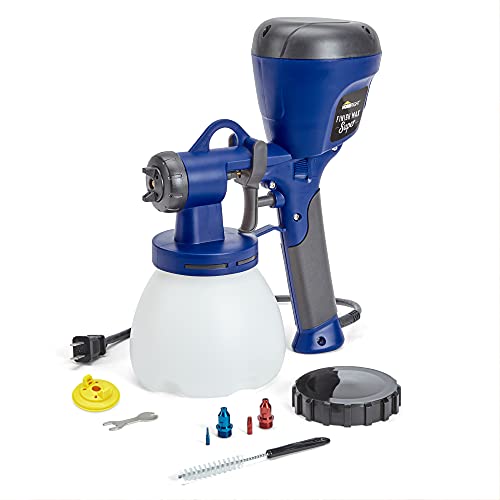
For achieving a flawless and smooth finish, utilizing a spray application technique proves to be more advantageous than traditional brushing. Spraying offers an even distribution of product, allowing for minimal overlap, which helps in avoiding streaks or brush marks. I recommend using an HVLP (High Volume Low Pressure) sprayer, as it provides excellent control and reduces overspray, making it suitable for smaller detailing as well.
Advantages of Spraying
When I choose to spray, I find that it significantly reduces the time spent on the project. It allows for better access to intricate designs or difficult angles that might be hard to reach with a brush. This method also helps preserve the natural texture and contour without adding unwanted thickness to the layer of finish.
Benefits of Brushing
On the other hand, brushing may be preferable in specific situations. It offers better control for touch-up work and allows me to work at a slower pace to ensure proper coverage. Using a good quality brush ensures that I can push the product into corners and crevices with precision.
Ultimately, the choice between these two techniques hinges on the specifics of the project and the desired finish. If I need a rapid application over large areas, spraying is the way to go. However, for meticulous detailing or smaller spots, I find that a brush can be more effective.
Tips for Achieving a Flawless Finish Without Sanding
I recommend using a high-quality self-leveling formula. This type of product minimizes brush strokes and creates a smooth surface, making it easier to achieve a professional appearance.
Conduct a test on an inconspicuous area first. This allows you to assess how the chosen coating adheres and interacts with the existing sheen, ensuring the final result meets your expectations.
Optimal Application Techniques
Utilize a foam roller for larger surfaces. It’s efficient in applying an even coat and helps avoid visible lines. For corners or intricate areas, a fine-tipped brush allows for precision without risking drips.
Maintain a consistent pattern while applying the solution. This helps avoid uneven texturing and contributes to a seamless finish across the entire area.
Environmental Considerations
Ensure proper ventilation during the process to enhance drying times and reduce the chances of imperfections. Temperature and humidity also play significant roles; aim for moderate conditions to facilitate optimal setting.
Patience is key. Allow sufficient drying time between coats–a rushed job often leads to flaws or bubbling. Checking the manufacturer’s recommendations can guide the waiting periods needed for each layer.
Maintaining and Caring for Newly Coated Glossy Surfaces
To preserve the beauty of your newly coated items, routine cleaning is crucial. Use a soft microfiber cloth to gently wipe surfaces, avoiding rough fabrics that may cause scratches.
For maintenance, a mild soap mixed with water serves as an effective cleaning solution. Dampen the cloth with this solution, then wipe the surface to eliminate smudges and fingerprints. Follow up with a dry cloth to ensure no moisture remains.
Direct sunlight can cause fading over time. Position these pieces away from harsh sunlight to maintain their rich appearance. If it’s unavoidable, use curtains or blinds to shield them from direct rays.
Heat sources, such as radiators or stoves, can create warping or damage. Keep a safe distance between these fixtures and your newly treated surfaces to prevent such effects.
Consider using coasters and placemats to protect surfaces from spills and stains. This simple act can significantly extend the lifespan of the finish.
For repair of minor scratches, a touch-up pen matching the color works effectively. Apply gently and allow it to dry according to the manufacturer’s instructions.
| Care Task | Frequency |
|---|---|
| Dusting | Weekly |
| Deep Cleaning | Monthly |
| Inspection for Damage | Seasonally |
| Reapplication of Protection | Annually |
Using protective wax can enhance the shine and add an additional layer of defense against abrasions and moisture. Follow the instructions on the product for best results.
These actions will help in maintaining the visual appeal and integrity of your surfaces for years to come.


