
 Caleb Turner

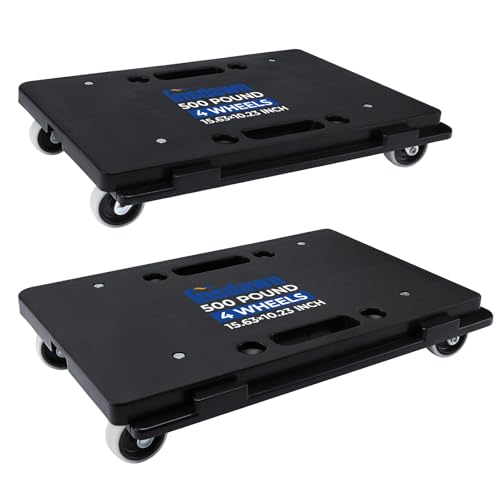
Begin by gathering the right tools: a sturdy dolly or furniture straps are indispensable. Ensure the path is clear of obstacles to prevent any mishaps during the process.
Utilize the right posture to safeguard your back. Bend your knees, keep your back straight, and use your legs to exert force, rather than your back. This technique significantly reduces the risk of injury.
Engage your core muscles while maintaining control of the load. Position the item at an angle as you approach each step, allowing for smoother transitions. Move slowly and deliberately, placing one foot on the first step at a time.


Consider utilizing a ramp for added safety if available. If the item is particularly large, secure it using straps to prevent it from shifting. This ensures both your safety and the integrity of the item you’re handling.
Don’t hesitate to ask for assistance if necessary. While tackling the task independently can be satisfying, having an extra pair of hands can provide additional safety and ease, especially when maneuvering around tight corners.
Moving Bulky Items on Staircases Solo
Begin by assessing the contours of your surroundings. Clear the path of any obstructions that could complicate the process. This includes ensuring that the area at the bottom and top of the incline is free of clutter.
Utilize a sturdy moving blanket to wrap the item. This cushioning not only protects the surface but also provides better grip. Secure the blanket with tape or straps, ensuring that it doesn’t slip during transit.
Employ a dolly or hand truck to distribute weight evenly. Position the item on the dolly, with the center of gravity as low as possible. Make sure to angle the dolly appropriately to avoid tipping while negotiating the descent.
When handling the descent, maintain a low stance. Keeping your back straight while bending at the knees reduces strain. Move slowly and steadily. Control the descent by using your legs rather than your back.
As you approach each step, tilt the dolly or the item backward slightly. This technique allows you to offset the weight distribution while lowering it to the next step. Make sure to use handrails if available for additional support.
Consider enlisting the help of ropes for added stability. Secure one end to the item and hold the other to control movement as you navigate each step. This provides extra leverage and control.
After reaching the bottom, take a moment to step back and assess the position. Ensure the item is securely placed before removing any supports. This final check prevents accidents and ensures safety throughout the entire process.
Choosing the Right Equipment for Safe Transport
Investing in appropriate gear can significantly enhance the process of relocating substantial items between levels. A furniture dolly is one of my primary tools; its sturdy platform can accommodate various shapes, making it ideal for moving bulky objects. An adjustable strap or harness is indispensable for securing items to the dolly, preventing any accidental slips during transit.
Manual Lifting Aids
Utilizing lifting straps enables me to distribute weight evenly. This tool is particularly beneficial when tackling awkwardly shaped pieces. With a partner or through strategic positioning, I can leverage my body weight effectively to maneuver these items. It’s essential to keep my back straight and leverage my legs for lifting to avoid injury.
Protective Gear
Since safety is paramount, I always wear steel-toed boots and gloves to prevent injuries from sudden impacts. Additionally, using corner protectors can help shield both the items and the walls during transit, minimizing the risk of damage to surrounding areas. Ensuring that my pathway is clear and well-lit is also a fundamental step to facilitate a safe and smooth relocation effort.
Assessing the Furniture Weight and Size for Safe Handling
Before lifting or guiding any bulk item, I carefully assess its dimensions and mass. Understanding these elements greatly minimizes the risk of accidents.
First, measuring the item’s height, width, and depth gives clarity on how it will navigate through doorways and around corners. I use a tape measure to accomplish this efficiently. If it seems oversized, I consider disassembling it if possible.
Next, I estimate the weight. If it’s exceptionally dense, I gauge my own physical capacity to handle it safely. It’s crucial to know if I need help or appropriate tools. Here are steps I follow:
- Check for labels or manufacturer information indicating weight.
- For items lacking clear data, I consult online resources or weigh comparable items.
- As a rule of thumb, if an item requires two people for lifting, I treat it as a one-person project with caution.
Another important factor is the center of gravity. I ensure to position myself in a way that maintains balance, critical for avoiding strains or falls.
Lastly, I assess the surrounding area. Clear paths are vital to avoid unexpected obstacles. I reposition any items that could potentially hinder progress. Prior preparation ensures a smoother experience overall.
Preparing the Staircase and Surrounding Area for Movement
Clear the paths leading to the staircase, removing any obstacles such as rugs, shoes, or small furniture. This provides a safe environment for transport and minimizes the risk of tripping.
Secure any loose items on the staircase, including handrails. Tightening screws and ensuring everything is stable can prevent accidents during the descent.
Protecting Surfaces
Install protective coverings on both the steps and surrounding walls. Use cardboard or furniture pads to avoid scratches and dents. If your item is particularly bulky, adding corner protectors can help shield walls.
Lighting and Visibility
Ensure adequate lighting in the stairwell. Bright lights eliminate shadows and help in assessing space, making the process safer. Consider portable lights if needed.
Check the weather conditions if applicable; wet or slippery surfaces can pose hazards. I will avoid attempting to navigate slick steps.
Finally, inform anyone nearby about the task at hand. This will prevent unexpected interruptions and enhance overall safety.
Techniques for Lifting and Lowering Furniture Safely
Begin by positioning your body close to the object for maximum stability and control. Bend your knees, keep your back straight, and engage your core muscles. Grip the piece securely with both hands, using a wide, firm hold. When lifting, push through your legs rather than pulling with your back. This technique reduces strain on your spine and promotes proper posture.
For descending inclines, pivot and angle the load slightly forward. This maneuver helps in maintaining balance and avoiding potential slips. As you lower the weight, control your descent by bending your knees gradually while keeping the object stable. Utilize friction to your advantage–maintaining a tight grip and moving slowly will prevent accidents.
If the item has protruding edges or is particularly awkward, consider using furniture pads or blankets underneath to provide a soft buffer against the steps. This tactic also aids in gripping the piece without risk of slipping. Don’t hesitate to adjust your hold during the process; reassessing your grip can enhance stability.
Should assistance be unavailable, try using a slider or dolly for the descent. Slide one end of the object onto the dolly, then carefully tilt and walk backwards, guiding the piece down gradually. This mechanical aid can significantly ease the physical burden.
Before engaging in this task, visualize each step and mentally plan the route, ensuring clear pathways and unobstructed views. This preparation plays a critical role in successfully maneuvering challenging loads with reduced risk of injury or damage.
Using Sliders and Straps for Better Control
Opt for furniture sliders to significantly reduce friction while transporting bulky items. Place these sliders under the corners or edges of the item, ensuring even weight distribution. This technique allows for smoother movement across floors or steps, minimizing potential damage to surfaces.
Utilizing straps provides an additional layer of stability. Secure the item to your body or a secure anchor point using a harness-style strap. This not only balances the weight but also grants enhanced grip, allowing for more controlled lowering or raising.
Types of Sliders and Straps
| Type | Description | Best Use Cases |
|---|---|---|
| Furniture Sliders | Plastic or felt pads that glide easily on surfaces. | Hardwood, tile, or laminate flooring. |
| Moving Straps | Two-person support system for heavy items. | Large appliances or mattresses. |
| Forearm Straps | Single-person support with adjustable straps. | Medium-sized items like dressers or bookcases. |
Test the sliders on a small item first to gauge functionality. Reassess the grip and tension of straps frequently during handling to ensure safety and control. These tools can transform a challenging task into a more manageable one, providing the support needed to focus on stability rather than sheer strength.
Communicating with Bystanders to Ensure Safety
Before I begin transporting large items, I always make sure to clearly communicate with anyone nearby. This step prevents unexpected accidents. I ask for their assistance in relaying messages or providing guidance as needed.
Establish Clear Signals
I establish simple hand signals or verbal cues with bystanders. These signals ensure everyone remains aware of the process, especially when visibility is limited. For instance, raising a hand can indicate pausing or slowing down, while a thumbs-up signifies it’s safe to proceed.
Allocate Roles
Assigning specific tasks reduces confusion. I designate one person to manage doorways or tight spaces, while another can help guide from below. This clear division of responsibilities enhances safety and efficiency.
When communicating, I maintain a calm demeanor and utilize clear language. I avoid unnecessary jargon to ensure everyone understands the plan. Frequent check-ins allow me to confirm everyone’s comfort level and readiness during the process.
Lastly, I remind bystanders to keep their distance during critical moments to avoid any potential hazards. Their safety, alongside mine, is paramount. Prioritizing communication makes the entire experience smoother and safer.
Dealing with Obstacles in the Stairway
Identify all potential barriers before beginning the descent. This includes checking for loose rugs, low-hanging light fixtures, or narrow doorways along the path. Remove any obstacles where possible to create a clear route.
Steps to Manage Specific Hazards
- Loose Items: Clear away any scattered items that could cause tripping.
- Railing Stability: Ensure handrails are secure to provide support as you navigate.
- Floor Surface: Assess the friction of the stair surface; if wet, dry it off or use mats for better grip.
Planning for Support
If facing a particularly tight turn or short landing, reposition items into manageable sections. Consider disassembling larger components where possible to ease the transport process.
Utilize a dolly or strap system effectively around corners. Engage a neighbor or friend for guidance if needed, ensuring they know your plan and the position you need assistance with during critical points.
Maintaining awareness of your trajectory while managing obstacles is crucial. Rely on leverage and angles to navigate tight spaces efficiently, avoiding unnecessary strain or loss of control.
Post-Move Tips for Arranging Furniture in a New Space
Once settled in, I assess the layout. I begin with the largest pieces, placing them in a focal area. This establishes a natural flow and creates an inviting atmosphere.
Utilize Visual Aids
Before committing to placements, I use painter’s tape to outline dimensions on the floor. This helps visualize space and avoids constant rearranging.
Consider Functionality
I prioritize arrangement based on usage. Areas designated for relaxation should be cozy, while those meant for activities must maintain ample open space. Multifunctional pieces can also enhance versatility.
Lighting significantly influences ambiance. I assess natural light sources to position items that best utilize this benefit. Adding mirrors can enhance brightness and make spaces appear larger.
If I have multiple rooms with shared characteristics, I strive for consistency in style while allowing each space to have unique features that reflect its purpose. Rearranging smaller accents, such as pillows and decor, can bring cohesion without overwhelming the visual palette.
Regularly stepping back to evaluate the layout helps ensure each piece harmonizes with the environment. It’s beneficial to invite friends or family for a fresh perspective–they often notice details I might overlook.


