
 Caleb Turner
First, ensure you have the right tools at your disposal. A sturdy dolly is indispensable for transporting heavy pieces. Additionally, several moving blankets will protect your belongings from scratches and damage during transit. Gather necessary supplies including straps and tape for securing items.
Begin by clearing the area to create a safe path. Remove any obstacles that might hinder your progress, and take inventory of what needs to be relocated. Prioritize larger items, as they will determine the layout and strategy for moving smaller components. Assess the dimensions of doorways and staircases to ensure a smooth transfer.
Engage a partner for assistance. Having someone by your side not only makes the task easier but also safer. Use proper lifting techniques to avoid injury; always bend at the knees and keep your back straight. If an item is particularly cumbersome, consider disassembling it to simplify the process.
Moving Objects in Mistria
To efficiently shift items within Mistria, utilizing a combination of strength and technique is essential. I recommend gathering a group of at least three people to assist with larger pieces, ensuring safety and stability during the entire process.
Wrap delicate objects in protective materials such as bubble wrap or moving blankets to minimize the risk of damage. For heavier items, a dolly or hand truck simplifies transport across uneven terrain. Always keep the path clear of obstacles to facilitate smooth movement.


Before relocating, measure doorways and staircases to confirm fit. Disassembling larger pieces can ease transportation, allowing for easier navigation through tight spaces. Label components during disassembly to simplify reassembly later.
Establish a clear plan by designating a leader who coordinates the actions of your team, ensuring everyone is aware of their roles. Communicate continuously during the process to promptly address any issues or adjustments that arise.
After placement, assess the arrangement from different angles. Adjust as necessary to achieve the best aesthetic and functional layout. Employ this methodical approach for optimal results every time.
Choosing the Right Tools for Moving
Invest in high-quality moving straps to make lifting heavier items manageable. These straps distribute weight evenly, reducing the strain on your back and arms.
Dollies and Hand Trucks
Utilizing a dolly is crucial for transporting larger pieces. Opt for a stair-climbing dolly if you anticipate navigating steps. Hand trucks are ideal for boxes, allowing for easy maneuvering without the hassle of lifting.
Protective Gear
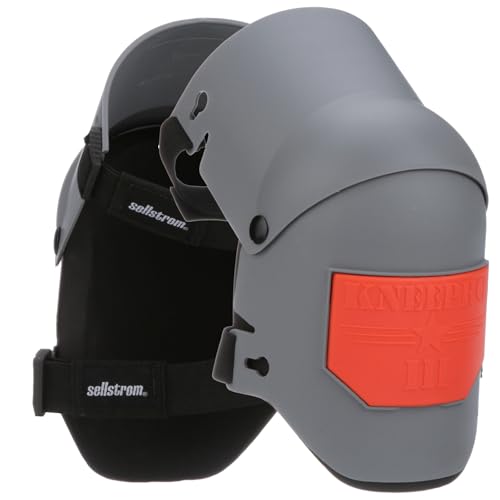
Don’t overlook the importance of gloves and knee pads. Sturdy gloves enhance grip and protect your hands from cuts and abrasions. Knee pads protect your knees while placing or removing items, especially in tight spaces.
Preparation Steps Before Moving Day
I focus on sorting items well in advance. Each category, such as clothes, kitchenware, and decorative pieces, should be examined. I decide what to keep, donate, or discard. This decluttering simplifies the process and minimizes the volume to transport.
Gathering Materials
Collecting the necessary packing materials is next on my list. I gather sturdy boxes in various sizes, packing tape, bubble wrap, and markers for labeling. Adequate supplies ensure everything is secure and organized during transport.
Creating a Floor Plan
Mapping out the layout of my new space helps in visualizing where each item should go. I make a sketch, noting the dimensions of rooms and locations of doors and windows. This helps avoid confusion on the day of relocation.
Strategies for Disassembling Furniture
To efficiently take apart larger items, gather all necessary components beforehand. Concentrate on securing screws, bolts, and dowels by utilizing a magnetic tool or small containers to prevent loss.
Begin with removing detachable parts. For instance, take off legs from tables and chairs, adjust shelving from bookcases, or separate components of assembled beds.
Utilize appropriate tools based on the type of furnishings. A power drill will facilitate quicker disassembly, while a basic screwdriver can handle more delicate pieces. Always consider access points to avoid damaging surfaces.
| Type of Furniture | Recommended Tools | Steps |
|---|---|---|
| Bed Frame | Socket Wrench, Screwdriver | Remove slats, then disassemble the frame starting from the headboard. |
| Dining Table | Drill, Allen Wrench | Detach the legs and any additional parts; store screws in a labeled bag. |
| Bookshelf | Screwdriver, Level | Remove shelves first, then unfasten the side panels before taking it apart. |
Before unscrewing anything, check for hidden fasteners. Sometimes, cam locks and brackets conceal screws, and missing these can complicate disassembly. A flashlight may help illuminate hard-to-see parts.
I always take pictures during the process, documenting how each piece connects. This strategy simplifies reassembly later. Keep all pieces organized according to their original assembly layout.
Finally, take your time. Rushing this step can lead to damaged components or unwanted scratches. Focus on systematic detachment to assure everything remains in good condition for relocation.
Safe Lifting Techniques to Prevent Injury
Maintain a strong stance with feet shoulder-width apart for stability. Bend your knees and keep your back straight while squatting down to seize the load. This technique shifts weight to your legs, reducing strain on your spine. Engage your core muscles to add support and balance.
Using Your Arms and Legs
When lifting, focus on standing up with your legs instead of lifting with your back. Hold items close to your body; this minimizes the distance your arms must extend and reduces the chance of dropping them. Use your legs to push upward while straightening your torso simultaneously.
Team Lifting and Communication
Involve others whenever handling bulky or heavy pieces. Clearly communicate with your partner about timing and plan your movements. Synchronization during lifts can prevent accidents and enhance control when shifting weight or angle. Always check your surroundings for any objects that could present hazards during the process.
Best Practices for Loading Items onto Vehicles
Invest in quality moving blankets to wrap each piece securely, minimizing scratches and potential damage during transportation.
Always load the heaviest items first. Position them closest to the vehicle’s cab to enhance stability during transit. This prevents shifting and potential accidents.
Utilizing Proper Techniques
Employ a systematic approach when stacking. Arrange items in a way that maximizes space while ensuring that nothing is jammed too tightly, which could lead to breakage.
Use ratchet straps or cargo nets to secure larger pieces. This keeps everything in place and reduces the risk of shifting as you drive.
Loading Smaller Items
For smaller belongings, utilize boxes that are easy to lift and carry. Label each box to ensure clarity when unpacking at the destination.
Fill any gaps between larger items with softer belongings, like pillows or blankets, to prevent movement during the journey.
Arranging Your New Space Efficiently
I prioritize measuring each area before placing any item. This ensures that everything fits while maintaining a visually appealing layout. I utilize graph paper or digital planning tools to create a scaled diagram, allowing me to visualize different configurations without heavy lifting.
In my experience, starting with larger pieces is key. I place sofas, beds, and other substantial items first, establishing a foundation for the rest. These elements often define the room’s flow, so I ensure they are positioned strategically for optimal accessibility.
I take into account natural light sources and electrical outlets. Positioning seating areas and workspaces near windows enhances comfort and energy use, while avoiding clutter near outlets allows for seamless connectivity for devices.
Grouping similar items can enhance functionality. For instance, I create distinct zones, such as a reading nook with bookshelves and a side table, promoting relaxation. Incorporating multi-functional solutions, like ottomans with storage, maximizes utility without sacrificing style.
Finally, I frequently adjust my layout after living in the space for a while. This helps identify areas that could be improved for increased comfort or practicality, allowing for continuous refinement of my surroundings.
Dealing with Difficult Stairs and Doorways
Assess the dimensions first. Measure both the object and the staircases or thresholds to ensure a clear understanding of the available space. My experience has shown that many individuals underestimate the size of their belongings in relation to their surroundings.
Strategies for Narrow Stairs
- Consider the angle. Tilt the item slightly to fit through tight spots. This often requires teamwork.
- Use a dolly or hand truck to navigate stairs more easily. Secure the item safely before attempting to move it.
- Always position someone at the bottom and another at the top to guide and support the load, ensuring control through each step.
Handling Doorways
- If the object is too wide, remove door frames if possible. This can create essential extra space.
- Take off any detachable parts, like legs or handles, to streamline the process.
- For especially tall pieces, angle the item diagonally–it may fit better than approaching it straight on.
Maintaining a clear line of communication with my team during these challenging maneuvers is vital. Each step helps anticipate potential obstacles and adapt quickly if needed.
Tips for Reassembling Your Belongings After Transport
First, gather all the necessary pieces and tools before starting the reassembly process. Ensure you have the original manual or assembly instructions if available.
- Sort Components: Organize all parts and hardware into groups. This will make it easier to find what you need as you put everything back together.
- Create a Workspace: Designate a clean area with adequate lighting to work on. This helps you to focus and reduces the chance of losing small parts.
- Use a Labeling System: If possible, label bags or boxes with screws, bolts, and other fasteners according to the item they belong to. This saves time during reassembly.
- Follow Assembly Order: Reassemble items in the reverse order of how they were taken apart. This often simplifies the process and helps to avoid overlooking steps.
- Check for Damage: Before starting, inspect all parts for damage that might have occurred during transport. Address any issues before assembly.
Assemble smaller pieces first, progressively moving to larger components. This approach allows for more space and reduces the chances of accidental damage.
- Start with the base or main structure of the item.
- Add any shelves or drawers next.
- Finally, attach finishing pieces like legs or hardware.
Use a power screwdriver for efficiency, but be cautious not to over-tighten screws, which can strip holes or damage materials.
- Seek Help: Don’t hesitate to ask someone for assistance with larger, more cumbersome items. Working in pairs often speeds up the process and prevents strain.
- Stay Organized: Keep your workspace tidy as you proceed, removing packaging materials and unused components regularly.
Lastly, take breaks to avoid frustration and fatigue. Reassembling belongings can take time, so patience is key.


