
 Caleb Turner

To rejuvenate the luster of your wooden pieces, combine equal parts of olive oil and vinegar. This simple blend effectively nourishes the grain while providing a protective barrier. Ensure to mix the ingredients thoroughly in a clean container for optimal results.
Before applying the mixture, clean the surface with a damp cloth to remove any dust or grime. Once dried, use a soft cloth to gently rub the mixture onto the surface in circular motions. This method not only enhances the appearance but also helps to conceal minor scratches.
For added fragrance, consider including a few drops of essential oil, such as lemon or lavender. This not only elevates the sensory experience but also brings a touch of personalization to your handcrafted product. Allow the finish to sit for several hours, and then buff it out with a clean, dry cloth for a brilliant shine.
Choosing the Right Ingredients for Wood Polish
Choose natural oils such as olive or jojoba for a nourishing effect. These oils penetrate the surface, enhancing the natural beauty.

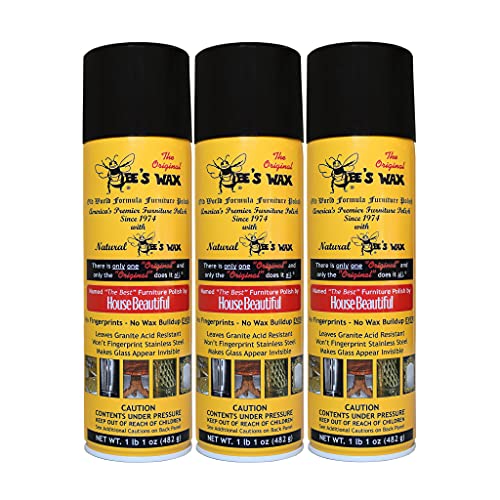

- Beeswax: Offers a protective barrier, adding a subtle sheen while repelling moisture.
- Vinegar: Acts as a cleaning agent, effectively removing dirt and grime.
- Essential Oils: Incorporate scents like lemon or lavender for a refreshing aroma; they also possess antibacterial properties.
For optimal results, select a blend that suits your specific type of timber. Dark woods benefit from richer oils, while lighter varieties thrive with lighter oils.
- Experiment with ratios of oils and waxes until you find your preferred consistency.
- Test the mixture on a small, inconspicuous area to ensure compatibility with the surface.
Using pure, organic ingredients not only enhances the appearance but also maintains healthiness over time. Avoid chemical-laden products that may harm the environment and your living space.
Step-by-Step Recipe for Natural Wood Furniture Polish
Gather these components for a simple and effective solution:
- 1 cup of olive oil
- 1/2 cup of white vinegar
- 10 drops of essential oil (like lemon or lavender)
Follow these steps to combine your ingredients:
- Use a clean glass jar or spray bottle for mixing.
- Pour in 1 cup of olive oil as the primary moisturizing agent.
- Add 1/2 cup of white vinegar, which acts as a cleanser and helps remove grime.
- Incorporate 10 drops of your selected essential oil for a pleasant fragrance.
- Secure the lid and shake the container vigorously to blend everything evenly.
Application Instructions
Once the mixture is ready, apply it with these guidelines:
- Before applying, test on an inconspicuous area.
- Use a soft cloth and dampen it slightly with the mixture.
- Wipe in the direction of the grain to enhance shine.
- For stubborn spots, let the solution sit for a few minutes before wiping.
Store any leftover mixture in a cool, dark place for future use. Shake well before every application to ensure proper consistency.
Understanding Different Types of Wood Finishes
Before choosing a protective coating, it’s important to understand the main types available. Each finish has its unique properties that affect appearance and durability.
Oil Finishes
Oil-based options, like linseed or tung oil, penetrate deeply into timber, enhancing grain visibility and providing a warm sheen. These finishes are easy to apply and maintain, requiring periodic reapplication to preserve their luster. They provide a natural feel, making them suitable for pieces that require a more organic look.
Varnish and Lacquer
These create a hard, protective layer on the surface. Varnish often contains UV inhibitors, making it ideal for pieces exposed to sunlight. Lacquer dries quickly, giving a glossy finish that can withstand wear. Both options require proper ventilation during application due to their strong fumes.
Choosing the right finish depends on the specific piece’s use and desired aesthetic. For instance, high-traffic items may benefit from more durable coatings, while decorative pieces might suit softer, more natural options.
How to Properly Apply Polish on Wood Surfaces
For optimal results, ensure the surface is clean and free from dust. Use a microfiber cloth or soft rag to gently wipe the area before application. This prepares the surface and helps the mixture adhere better.
Application Techniques
Utilize a soft cloth for application, dampening it slightly with the mixture. Work with the grain to avoid scratches and promote an even coat. Use circular motions to distribute the product uniformly across the surface.
Drying and Buffing
Allow the treated area to rest for several minutes to let the ingredients penetrate and bond. After drying, buff the surface with a clean, dry cloth. This enhances shine and removes any excess product. Repeat the process every few months to maintain a vibrant finish.
Tips for Storing Your Homemade Polish
Use a glass container with a tight-sealing lid. This prevents air exposure and maintains the integrity of the mixture. Choose an amber-tinted or dark glass to protect against light degradation.
Ideal Storage Conditions
Keep the container in a cool, dry place, away from direct sunlight and heat sources. A temperature range of 50°F to 70°F is optimal for preservation.
Labeling Your Mixture
Clearly label the container with the contents and the date of preparation. This helps track the shelf life, which generally lasts up to six months.
| Storage Method | Benefits |
|---|---|
| Glass Container | Prevents chemical reactions with materials |
| Cool Location | Extends longevity of ingredients |
| Labeling | Ensures proper usage timing |
For longer-lasting options, consider refrigeration. Just remember to bring the mixture to room temperature before use to ensure easy application.
Common Mistakes to Avoid When Crafting Wood Treatment
Using the wrong ratio of ingredients can lead to ineffective results. Always measure precisely to achieve the desired consistency and effectiveness in your blend.
Neglecting to test on a small, inconspicuous area before full application can cause unexpected damage or discoloration. Always perform a patch test.
Skipping the cleaning step is a significant oversight. Dust and grime can hinder the absorption of the treatment, reducing its impact.
Incorporating unsuitable oils can affect both the appearance and the finish. Ensure that all chosen oils complement each other and are appropriate for use on all surfaces you wish to treat.
Using an excessive amount of product can create a sticky residue rather than a sleek finish. Apply sparingly and buff thoroughly.
Failing to label the container can lead to confusion later, especially if you’ve made multiple mixtures. Proper labeling helps ensure safe storage and future use.
Not understanding the specific type of surface being treated can result in either underperformance or damage. Different finishes and wood types require tailored approaches.
Finally, disregarding storage conditions can reduce the lifespan of the crafted solution. Keep it in a cool, dark place to preserve its effectiveness.
Testing Compatibility with Your Furniture
First, identify the type of finish on your surfaces. To perform a compatibility test, apply a small amount of the prepared mixture in an inconspicuous area. After allowing it to sit for a few minutes, wipe it away with a clean cloth, then evaluate the surface for any changes in appearance.
Key Indicators of Compatibility
Look for these signs during your evaluation:
- No discoloration or cloudiness
- Smooth texture after wiping
- Absence of any sticky residue
Applying Compatibility Testing
If initial tests yield positive results, proceed as follows:
- Conduct tests on multiple areas if the piece has mixed finishes.
- Allow 24 hours for a more comprehensive assessment of any potential reactions.
| Test Result | Action Required |
|---|---|
| No Issues Detected | Safe to use on all surfaces |
| Discoloration Present | Avoid using this formula |
| Sticky Residue Found | Formulation needs adjustment |
Adjust your blend based on feedback from the test to ensure suitability for all treated elements. This ensures the longevity and beauty of the piece.
Enhancing Your Homemade Polish with Essential Oils
Add a few drops of essential oils to elevate the scent and benefits of your mixture. Oils such as lemon, lavender, or tea tree not only impart delightful fragrances but also possess natural antibacterial properties.
Lemon Oil
Lemon oil revitalizes surfaces with its bright aroma while effectively cutting through grease and grime. This oil is ideal for those seeking a fresh and clean scent in addition to enhancing the shine.
Lavender Oil
Lavender oil offers a calming fragrance, perfect for creating a relaxing atmosphere in your space. Its natural antiseptic qualities help maintain cleanliness and integrity of surfaces.
Start with around 10-15 drops of your selected oil per cup of your finished concoction. Adjust based on personal preference. Ensuring thorough mixing will distribute the oils evenly, leading to an enjoyable application experience.
When experimenting with oils, it’s advisable to test a small area before full application. Some surfaces may react differently. This precaution is crucial for maintaining the beauty of your precious pieces.
FAQ:
What ingredients do I need to make homemade wood furniture polish?
To prepare homemade wood furniture polish, you will need three main ingredients: olive oil, white vinegar, and essential oil (like lemon or tea tree oil for fragrance). Typically, the ratio used is 2 parts olive oil to 1 part vinegar. The essential oil is optional but can provide a pleasant scent.
How do I apply the homemade wood furniture polish to my furniture?
To apply your homemade wood furniture polish, use a soft, lint-free cloth. First, shake the mixture well to combine the ingredients. Dampen the cloth with the polish, making sure it’s not soaked. Wipe it onto the wood surface in the direction of the grain, applying light pressure. After allowing the polish to sit for a few minutes, buff with a clean cloth to bring out the shine.
Can I store homemade wood furniture polish, and if so, how long will it last?
You can store homemade wood furniture polish in a sealed container, ideally in a cool, dark place to prolong its shelf life. Typically, the polish can last for up to 1 month, but always check for any changes in smell or appearance before use, as natural ingredients can degrade or spoil over time.
Is homemade wood furniture polish safe for all types of wood finishes?
Homemade wood furniture polish is generally safe for most finished wood surfaces, including varnished and lacquered furniture. However, it’s wise to test it on a small, inconspicuous area first to ensure there are no adverse reactions. Avoid using it on waxed surfaces, as it may interfere with the wax finish.
What are the benefits of using homemade polish compared to commercial products?
Using homemade wood furniture polish can offer several advantages. Firstly, it’s often made from non-toxic, natural ingredients, making it safer for your home environment. Additionally, homemade polish can be more cost-effective and environmentally friendly, as it reduces the need for synthetic chemicals and packaging. Many people also appreciate the ability to customize the scent and ingredients according to personal preferences.


