
 Caleb Turner
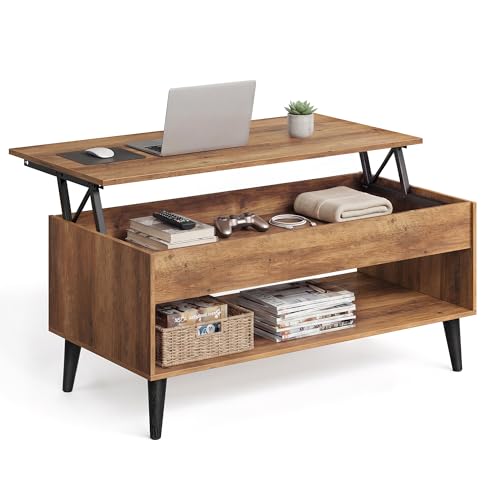
Begin with sturdy, untreated wood boxes, ensuring they are free from toxic chemicals and suitable for indoor use. Examine the condition; choose those with minimal damage for a more polished final product.
Next, prioritize safety by wearing gloves and goggles during the project. Sand down rough edges meticulously, creating a smooth surface that enhances aesthetics and comfort during use. This step significantly reduces the risk of splinters.
Once prepared, consider the design. Stacking multiple units can create a bookshelf or a multi-functional coffee table, providing both storage and style. Assemble with strong screws and wood glue for better stability, ensuring durability for everyday use.
Customizing is key; paint or stain the wood to match your decor. Use water-based finishes to maintain an eco-friendly approach, safely beautifying your space while keeping your environment healthy.


Finally, add wheels for mobility, or fix the pieces in place for more permanence. Each creation not only serves a purpose but also reflects personal creativity, blending practicality with unique artistry.
Building Unique Items from Reclaimed Wood Crates
To create a rustic seating solution, I combine two standard crates. Securing them together with wood screws adds stability. A cushion on top transforms the structure into a comfortable chair. I often choose waterproof fabric for outdoor use.
A coffee table can be easily crafted by stacking and securing multiple crates. Placing a sturdy piece of glass or wood on top not only enhances aesthetics but also provides a flat surface for drinks and decor. For a bit of flair, I apply a coat of paint that matches my decor.
When designing shelves, I prefer to use single crates mounted to the wall. This approach offers an eye-catching display for books and decorative items. Adding hooks on the sides enhances functionality for hanging items.
Creating a garden bench involves cutting the crates in half to form the seat and backrest. I then attach them to a sturdy base, ensuring they can withstand outdoor elements. I finish with weather-resistant varnish for added protection.
For a unique storage solution, I line several crates along a wall. This setup provides ample space for toys, tools, or gardening supplies. Labeling each crate makes accessing items straightforward and efficient.
Choosing the Right Type of Pallets for Your Project
For optimal results, avoid non-treated wooden platforms, as they may carry harmful chemicals. Instead, focus on those that are marked with “HT” (heat-treated) or “KD” (kiln-dried). These designations ensure safety and durability in indoor applications.
Material Quality
Inspect the wood quality closely. Select models constructed from hardwoods like oak or maple for maximum sturdiness. Softwoods, while lighter, may not withstand heavy usage. A thorough examination for damage or excessive wear is critical; look for cracks or splinters that could pose safety risks.
Size and Design
Consider dimensions carefully. Standard platforms measure 48” x 40”, ideal for larger creations. If smaller pieces are desired, mini versions are available. Think about the layout of your creation; select appropriately sized pieces to ensure a harmonious look. Patterns and designs can vary, so choose ones that align with your creative vision.
Preparing Pallets: Cleaning and Sanding Techniques
First, I carefully inspect each wooden platform for any signs of damage or contamination. I prioritize boards that are intact and free from excessive dirt or spills. Next, I use a soft brush or a vacuum to remove loose debris. For stubborn residue, a mild detergent mixed with warm water works well–just be sure to rinse and dry thoroughly afterward to prevent mold.
Once cleaned, I focus on sanding. I start with coarse grit sandpaper (around 80 grit) to eliminate rough patches and splinters. I work with a sanding block or an orbital sander for efficiency. After I’ve smoothed out the surfaces, I switch to a finer grit (120-220 grit) for a polished finish, ensuring that every edge and corner is smooth to the touch.
Throughout the sanding process, I wear a dust mask and goggles to protect myself from fine wood particles. Regularly checking my progress helps me avoid oversanding in any specific area, ensuring an even outcome.
Finally, I wipe down the surfaces with a damp cloth to remove any dust created during sanding, preparing them for any further treatment or sealing.
Basic Tools Needed for Building Furniture from Pallets
Having the right tools makes the process smoother and more enjoyable. I recommend starting with a circular saw for precise cuts. For those hard-to-reach areas, a jigsaw will be invaluable. Don’t forget a power drill. It’s essential for driving screws and making pilot holes, particularly for denser wood.
A screwdriver set is also critical, especially for assembly and disassembly tasks. You’ll need a measuring tape to ensure accurate dimensions, and a square to maintain perfect right angles in your designs. A level is important as well to confirm that everything is even.
For smoothing surfaces, a sander with different grit options is necessary. A claw hammer helps in removing any nails leftover from the pallets. Additionally, I find a workbench or sturdy table indispensable for stability while cutting or assembling components.
Safety gear cannot be overlooked: a good pair of work gloves protects your hands, and safety goggles guard your eyes from dust and debris. Having these tools on hand creates an efficient workspace and enhances the overall quality of the final product.
Step-by-Step Guide to Constructing a Pallet Coffee Table
Begin with selecting two or three pallets of similar size. Ensure they are sturdy and free from significant damage. If necessary, reinforce weak areas with additional wood supports.
Assembly Process
Stack the pallets to form the table’s top and legs. Use wood screws to securely fasten them together. Drill pilot holes to prevent the wood from splitting. Aim for each corner to have at least three screws for stability.
Finishing Touches
After constructing the main structure, sand all surfaces thoroughly to eliminate splinters and rough edges. Apply a suitable wood stain or sealant to enhance appearance and durability. For a practical touch, attach wheels for easy mobility.
| Material | Quantity |
|---|---|
| Wood Pallets | 2-3 |
| Wood Screws | 20-30 |
| Wood Stain or Sealant | 1 Quart |
| Wheels (optional) | 4 |
Once the sealant dries, your table is ready for use. Place it in your desired location and arrange decorative items or drinks atop it for a stylish addition to your space.
Creating a Pallet Bed Frame: Design Ideas and Instructions
Begin with a simple box design using six pallets. Stack two on the sides and one at the head and foot. Securely fasten them with screws for stability.
Consider a low-profile bed by laying pallets directly on the floor. This style enhances a minimalist aesthetic. Alternatively, elevate the structure by adding legs made from wooden beams for a raised look.
For a rustic charm, leave the pallets in their original state without painting. If a cleaner appearance is desired, apply a coat of wood stain in a natural hue.
Incorporate storage by stacking additional pallets under the bed frame to create hidden compartments. This approach maximizes space efficiently, especially in smaller rooms.
Add a headboard using one or two vertical pallets, secured at the back of the frame. This can be painted or decorated with fairy lights to enhance the ambiance of the room.
Ensure the framework is sturdy. After assembly, check for wobbling or instability. Additional support beams can rectify any issues, ensuring longevity.
For mattress support, place wooden slats across the frame, spaced evenly. This will provide adequate ventilation and prevent sagging.
After final assembly, sand any rough edges to prevent splinters. A thorough cleaning with a wood-safe cleaner can remove any dirt or debris.
Finishing Touches: Staining and Sealing Your Pallet Furniture
Opt for oil-based or water-based stains to enhance the appearance and durability of your creations. Oil-based products penetrate deeper, providing richer color, while water-based options dry faster and have lower VOC emissions.
Steps for Staining
- Ensure the surface is completely clean and sanded to remove any dust or debris.
- Apply a test stain in an inconspicuous area to confirm the desired color.
- Use a brush or cloth to apply the stain evenly, following the grain of the wood.
- Allow the stain to penetrate for the recommended time, then wipe off any excess.
- Let the stain dry fully, typically 24 hours, before proceeding to sealing.
Sealing Options
- Polyurethane: Provides a tough, protective layer. Choose between water-based for a clear finish or oil-based for a warmer glow.
- Lacquer: Dries quickly with a durable, glossy finish. Ideal for high-traffic surfaces.
- Varnish: Offers a weather-resistant finish suitable for outdoor applications.
Application of the sealant should follow the same procedure as staining. Ensure even coverage and allow adequate drying time before using your item.
Lastly, consider periodic touch-ups or reapplications to keep your pieces looking fresh and well-maintained.
Creative Upcycling Ideas: Unique Furniture from Pallets
For a distinctive touch in your space, consider crafting a bar cart. Selecting a couple of sturdy deck boards can create an open shelving unit perfect for both indoor and outdoor gatherings. Attach four wheels for mobility, and don’t forget to add a handle to maneuver easily.
A striking garden bench can transform any outdoor area. By arranging boards in a simple L-shape and adding additional supports, you can create a comfortable seating arrangement. Experiment with cushions for added comfort.
For a playful accent, try making a storage ladder. Stack several boards at a slight angle, secure them, and space the shelves to hold books, plants, or decorative items. This structure can brighten up a corner and add vertical interest.
Consider a unique shoe rack, which can organize footwear while showcasing your craftsmanship. Using several boards laid out horizontally, create compartments that can fit multiple pairs, offering a practical yet stylish solution for an entryway.
A multifunctional ottoman can serve as both a footrest and storage. Assemble boards in a box shape, ensuring a strong bottom, and add a padded cushion on top. This piece can adapt to various needs in a living space.
For creating a sophisticated wine rack, use vertical boards to form slots for bottles. Set it against a wall, and it can act as a decorative piece while keeping your wines organized and accessible.
Lastly, a unique wall art piece made from reclaimed boards can enhance the ambiance of any room. Arrange the boards in a pattern, paint, or leave them natural to express personal style. This creation not only decorates but showcases the beauty of reused materials.


