
 Caleb Turner
Utilize a light color palette on walls and upholstery to create an illusion of spaciousness. This approach helps to reflect natural light, making the area feel larger and more inviting. Pair this with mirrors strategically placed to enhance brightness and openness.
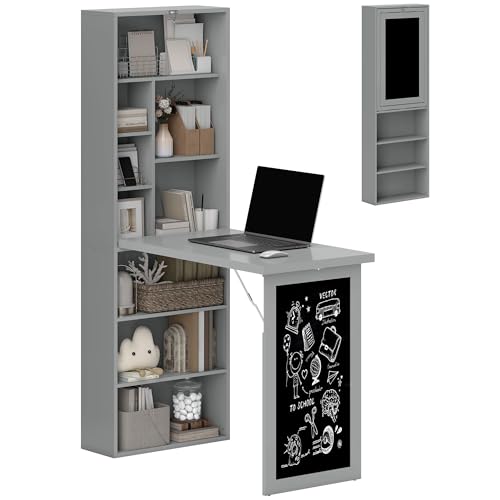
Consider multi-functional pieces. Select a coffee table with storage capabilities or a sofa bed for overnight guests. This strategy not only maximizes utility but also preserves valuable floor space, allowing for better movement and flow.
Adopt a layout that prioritizes traffic flow. Position seating away from pathways to minimize blockages while encouraging conversation. Use rugs to define areas–this visually separates spaces while maintaining a cohesive look.
Introduce vertical elements, such as tall bookshelves or hanging plants, to draw the eye upward. This technique shifts focus from the floor space to the walls, fostering a sense of height and airiness. Remember to keep shelves organized to avoid a cluttered appearance.
Smart Arrangement Strategies for Tight Spaces
Prioritize multifunctionality in your design. Select pieces that serve dual purposes, like a coffee table with storage or a sofa bed. This reduces clutter and increases usability.


Establish a focal point in the area. It could be a piece of art, an attractive window, or a fireplace that draws attention. Arrange seating around this central feature to create a welcoming atmosphere.
Maintain clear pathways. Ensure there’s a minimum of 30 inches between access points and larger pieces for smooth movement. Avoid overcrowding to keep the area airy.
Consider scale carefully. Use smaller-scale items to avoid overwhelming the space. Opt for low-profile options like sleek chairs and lightweight tables that can easily be moved if needed.
Utilize vertical space. Install shelves or wall-mounted storage to draw the eye upward, which can make the space feel larger while also providing function.
- Mirrors can visually expand the area. Place them opposite windows to amplify natural light.
- Try an open shelving unit instead of bulky cabinets for displaying items, which adds personality without closing off the environment.
Experiment with layout options. Create different arrangements to find what works best for the flow and functionality. Consider a diagonal arrangement to make use of corners and add interest.
Light plays a crucial role in how a space feels. Use layered lighting–overhead fixtures, table lamps, and sconces–to enhance the ambiance without taking up floor space.
Measure Your Space Accurately
To maximize every inch, I first take precise dimensions of the walls, windows, and entryways. I use a tape measure and write down the measurements, ensuring to include the height as well as the length and width. After that, I note down any architectural features such as radiators, electrical outlets, and existing fixtures that can’t be moved.
Next, I create a scaled floor plan. I prefer graph paper or digital tools to represent the area accurately. This plan helps me visualize the size and scale of each piece I intend to add, enabling me to determine what will fit comfortably without overwhelming the space.
When considering dimensions, I allow for walking paths and ensure that there is enough room for doors to swing open or for drawers to be pulled out. Typically, I leave at least 24 inches of clearance for pathways to promote easy movement. Keeping this in mind, I adjust the layout as needed to avoid crowding any area.
Choose a Focal Point for the Space
Deciding on a focal point enhances the overall aesthetic and functionality. Identify a piece that draws attention, such as a fireplace, artwork, or large window. Once chosen, arrange seating to create a natural flow toward it.
For maximum impact, select a visually striking element that reflects your style. If you have a fireplace, position couches or chairs to encourage conversation while also enjoying the warmth. If utilizing a piece of art or a statement mirror, ensure it is hung at eye level.
In instances where a natural focal point is lacking, consider using a striking piece of furniture, like a unique coffee table or a bold area rug. Placing the furniture around this item can create a comfortable gathering spot that invites relaxation and social interaction.
Additionally, consider the scale of your chosen element; oversized items can dominate a space, while smaller accents may get lost. Adjust the surrounding layout to balance the focal point with the dimensions of the area, ensuring it remains the highlight without overwhelming the surroundings.
Opt for Multi-Functional Furniture
Choose pieces that serve more than one purpose to maximize utility. Ottoman benches can provide seating and double as storage. For example, a coffee table with drawers or shelves allows for organization while offering a surface for décor or snacks.
Convertible Options
Consider a sofa bed to accommodate guests without the need for additional sleeping arrangements. Folding tables can be expanded for gatherings and compacted when not in use, saving precious square footage.
Smart Storage Solutions
Look for vertical storage solutions, such as tall bookshelves or wall-mounted units, which draw the eye upward and free up floor space. Utilize under-sofa space with sliding bins or invest in a bed with built-in drawers.
By prioritizing multi-functional items, I create a dynamic and versatile atmosphere that meets various needs without overcrowding my area.
Prioritize Traffic Flow and Accessibility
Positioning pieces to allow free movement is key. I ensure pathways are at least 24 inches wide to avoid congestion. I identify main entry points and create a natural flow, directing traffic around seating areas rather than through them.
Consider the Following Pathways:
| Area | Recommended Width |
|---|---|
| Between Chairs | 18-24 inches |
| Between Seating and Coffee Table | 24-30 inches |
| Hallways or Entrance | 36 inches minimum |
I avoid placing large items in the direct path. By arranging pieces in a way that allows easy access to different areas, I create an inviting atmosphere. Using smaller scale items helps maintain openness while still being functional.
Accessibility Tips:
- Ensure that all seating options are approachable without obstacles.
- Keep frequently used items within arm’s reach to enhance usability.
- Consider the physical needs of all potential users, accommodating for mobility aids if necessary.
By focusing on accessibility, I promote comfort and usability, making the space more welcoming and functional for everyone.
Use Vertical Space for Storage
Maximizing height can transform spatial dynamics effectively. I recommend utilizing tall bookshelves or wall-mounted cabinets to draw the eye upward. This approach not only enhances the visual feeling of openness but also frees up floor space.
Incorporate Shelving Units
- Choose adjustable shelving to accommodate various item sizes.
- Place decorative boxes or bins on higher shelves to store less-frequently used items.
- Use floating shelves to display art or plants for added character.
Hang Storage Solutions
- Install hooks for bags, hats, or accessories, making use of otherwise wasted wall space.
- Consider mounted baskets or bins in entryways to keep small necessities organized.
Embracing verticality not only increases storage capacity but can also contribute to an aesthetically pleasing environment. Prioritize functional designs that integrate seamlessly with the style of the area while ensuring that the space remains uncluttered.
Incorporate Mirrors to Create Depth
Integrating mirrors is an effective strategy for enhancing the perception of spaciousness. Place a large mirror directly across from a window to reflect natural light, brightening the entire area.
Consider these tips for optimal mirror placement:
-
Full-Length Mirrors: Use tall mirrors to elongate the appearance of walls. This creates an illusion of height, drawing the eye upwards.
-
Accent Mirrors: Smaller decorative mirrors can be grouped in a gallery style, adding visual interest without overwhelming the space.
-
Mirrored Furniture: Incorporate tables or cabinets with mirrored surfaces to enhance light reflection and give a chic look.
-
Strategic Angling: Position mirrors at angles to reflect artworks or beautiful aspects of the environment, adding depth and dimension.
Always ensure mirrors are well-placed at eye level for an inviting appeal and to maximize their reflective potential.
Create Zones for Different Activities
To maximize the usability of your space, I recommend dividing the area into distinct segments for various tasks. This approach not only optimizes functionality but also enhances the overall aesthetic appeal.
Define Activity Areas
Identify specific regions for relaxation, work, and socializing. For instance, place a cozy chair and side table in one corner for reading. Create a workspace by positioning a compact desk near a window for natural light while ensuring it does not obstruct pathways.
Utilize Rugs for Definition
Incorporate area rugs to visually separate different zones. A rug under the coffee table can anchor the seating area, while a separate rug near the desk can delineate the workspace, adding character and warmth.
| Activity Zone | Recommended Items | Tips |
|---|---|---|
| Relaxation | Armchair, side table, lamp | Choose comfortable seating and good lighting |
| Workspace | Compact desk, ergonomic chair | Keep supplies organized and minimize distractions |
| Socializing | Sofa, coffee table, accent chairs | Ensure seating promotes conversation |
By thoughtfully creating zones, I find that I can effectively enhance both the practicality and enjoyment of my environment.
Utilize Area Rugs to Define Spaces
Incorporating area rugs is a strategic approach to delineating different sections within a compact space. I recommend selecting rugs that match your desired aesthetic while helping differentiate zones for various activities–be it lounging, dining, or working.
Choose a rug size that allows a significant portion of your seating or furniture to rest upon it. This not only anchors the space visually but also creates a sense of cohesion among elements. For instance, a larger rug can unify a seating arrangement and provide comfort underfoot.
If you’re working with a narrow or elongated area, opt for runners to create pathways or direct traffic flow, ensuring ease of movement. Layering rugs can also add depth and texture–consider contrasting materials or patterns to enrich the environment while maintaining functionality.
Bright colors or bold patterns can act as an eye-catching focal point, drawing attention in a quieter or neutral scheme. Conversely, subdued tones allow other design features to shine while still providing the necessary ground defining aspect.
Remember to consider the maintenance aspect of your chosen rugs. Selecting durable materials that withstand wear and tear ensures that your zones remain stylish and practical over time.
Experiment with Furniture Arrangement
To optimize the space, I recommend rearranging seating and tables to find the best configuration. Start by positioning a sofa against a wall to create more floor area, then place smaller chairs or ottomans at angles to invite conversation.
Try Different Layouts
Changing the orientation of the sofa or chairs can dramatically affect the room’s feel. For instance, positioning the seating to face a window not only enhances natural light but also creates a cheerful atmosphere. Move items around and visualize each layout before settling on a final design.
Consider Scale and Proportion
Utilizing pieces that match the scale of the space ensures harmony. I suggest avoiding bulky items that can overwhelm the area. Instead, lean towards slender, taller designs that draw the eye upward, giving an illusion of greater height. Play with distances between items, as varying gaps can influence flow and perception of openness.
Don’t hesitate to experiment with unconventional placements, like angling a coffee table or placing a chair in a corner, to discover unique arrangements that resonate with your style while maximizing utility.


