
 Caleb Turner
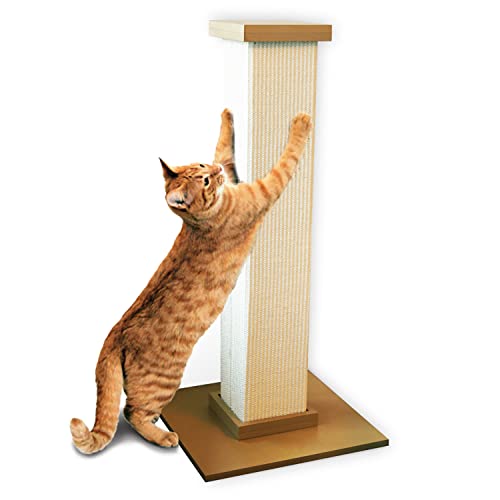
Providing alternatives for scratching is a straightforward approach that yields impressive results. A sturdy scratching post or mat can draw attention away from prized possessions. Position these items in areas where feline friends frequent.
Using deterrent sprays on surfaces can be a helpful strategy. Many cats dislike certain scents, such as citrus or vinegar. Apply these substances lightly on furniture, ensuring the aroma is not overpowering for humans.



Incorporating interactive toys can keep playful paws occupied. Engaging in regular play sessions helps channel natural instincts into constructive activities, reducing the temptation to scratch furniture.
Reward systems can reinforce positive behavior. When a furry friend uses the designated scratching area instead of the couch, offering a treat or affection can solidify this habit.
Regular nail trimming is another preventive measure worth practicing. Shorter claws cause less damage and can minimize the appeal of scratching on furniture. A routine check can make this task easier.
Strategies to Deter Damage
I recommend introducing scratching alternatives, such as vertical posts and angled boards, constructed from materials that entice play. Alongside these, adding catnip or enticing toys can enhance attraction to these designated areas.
Utilize Deterrent Sprays
Applying pet-safe deterrent sprays on surfaces that tend to attract attention may assist in dissuading unwanted behavior. Consistent reapplication reinforces boundaries, signaling to felines that those spots are off-limits.
Establish Positive Reinforcement
Rewarding desirable behavior with treats or affection when using appropriate surfaces builds a positive association. This method promotes repetition of accepted actions while diverting attention from prohibited zones.
Understanding Your Feline’s Clawing Behavior
Observing the reasons behind scratching helps me address the issue effectively. Kittens usually scratch to strengthen their claws and stretch muscles, a natural instinct as they grow. Adult felines might also use this behavior to mark territory or relieve stress. Recognizing these motivations is crucial for forming a well-rounded approach.
Primary Motivations for Scratching
| Motivation | Description |
|---|---|
| Territorial Marking | Felines possess scent glands in their paws; scratching leaves visual and olfactory marks in their environment. |
| Physical Maintenance | Regularly scratching helps remove old sheaths from claws, promoting healthy growth. |
| Stress Relief | During transitions or changes, this behavior can serve as an outlet for anxiety. |
Indicators of Need
Being attentive to any changes in scratching patterns can reveal deeper needs. Increased frequency usually signals stress, boredom, or an unmet requirement for exercise. Providing alternatives and engaging in regular playtime reduces the urge to target the sofa or curtains.
Choosing the Right Scratching Post
When selecting a scratching post, prioritize stability. A sturdy structure prevents tipping and encourages natural scratching behaviors. Opt for a post that stands at least your feline’s shoulder height or higher, allowing for a full stretch.
Material Matters
Look for sisal rope or cardboard surfaces; these textures are appealing for their durability and scratch satisfaction. Avoid synthetic fabrics, as they can be less enticing and easily damaged.
Variety in Design
Consider different styles, such as vertical or horizontal designs. Some cats prefer to scratch upwards, while others might enjoy a flat surface. Multi-level platforms also offer additional play opportunities, enticing them to use the designated scratching areas.
Placement is key; position the post in a high-traffic zone where your pet feels safe and comfortable. By integrating these elements, establishing a preferred scratching area becomes achievable, effectively redirecting attention away from cherished surfaces.
Strategically Placing Scratching Posts in Your Home
Position scratching posts near the furniture that attracts the most attention. Observing their behavior will help identify these hotspots, making it easier to redirect their focus.
Optimal Locations
- Place posts near favorite lounging spots, such as couches or beds.
- Position them in high-traffic areas where they naturally spend time.
- Utilize corners or pathways to encourage usage.
- Consider placing one near windows or areas with a view, as this can attract interest.
Encouraging Usage
To entice interest, rub posts with catnip or use toys to draw attention. I’ve found that placing a post close to their existing scratch zones enhances acceptance. Regularly observe and adjust placements based on their interactions.
Using Cat Attractants to Encourage Scratching
Integrating attractants can significantly enhance the appeal of designated scratching surfaces. Many cats respond favorably to specific scents and textures. Using catnip or pheromone sprays makes these areas more enticing.
Popular Attractants
| Attractant | Description |
|---|---|
| Catnip | A natural herb that elicits playful behaviors in many felines. Sprinkle it on scratching posts to draw interest. |
| Pheromone Sprays | Synthetic scents mimicking natural feline pheromones can provide comfort and encourage scratching. |
| Cat Grass | Offering this can promote a relaxing environment, leading to more frequent usage of scratching stations. |
| Interactive Toys | Placing toys nearby can increase engagement with scratching posts, linking playtime with these designated areas. |
Application Tips
Even distribution is key. Lightly sprinkle catnip over scratching posts, ensuring coverage. For pheromone sprays, follow instructions for effective results without overwhelming the area. Regular reapplication may be necessary, as scents diminish over time.
Encouraging this natural behavior through attractants aids in redirecting attention away from unwanted surfaces, fostering a harmonious living space.
Implementing Deterrents for Furniture Protection
Apply double-sided tape on areas targeted for scratching. Cats typically dislike the sticky texture, which can deter them effectively.
Use citrus-scented sprays or oils on surfaces you want to protect. Cats generally find these scents unpleasant. Reapply the deterrent regularly for the best results.
Consider placing aluminum foil or plastic sheeting on furniture. The noise and texture often deter felines from approaching those areas.
Install motion-activated deterrents. These devices emit a burst of air or sound, startling cats and dissuading them from misbehaving.
Specific Products and Techniques
- Pet-safe bitter apple spray can be a solution, as the taste is unappealing.
- Stick on claw protectors can shield furniture while allowing the cat to retain its scratching behavior.
- Pheromone diffusers can create a calming atmosphere, reducing unwanted scratching due to stress or anxiety.
Environmental Adjustments
Modify the environment by removing access to preferred scratching areas. If possible, change furniture layout to confuse and redirect feline behavior.
Incorporate playtime with interactive toys to encourage physical activity and fulfill your feline’s need to engage in natural behaviors.
Regularly Trimming Claws
Trimming the sharp tips of paws every couple of weeks has greatly reduced scratching damage in my home. With a good pair of clippers designed for this purpose, I can easily manage the length of their claws. I make sure to only trim the transparent part, avoiding the quick, which is the sensitive pink area inside the claw.
To make this routine smoother, I often start with short sessions, gradually increasing the time as they become accustomed. Using treats as rewards afterward has proven beneficial in creating a positive association with the process.
Another tip is to conduct the trimming when they are relaxed or sleepy, as this minimizes chances of them resisting the process. A gentle approach, along with a calm environment, has worked wonders for me.
Investing in a good set of nail clippers specialized for pets is worthwhile; I find them easier to use and safer. Regular maintenance not only protects my belongings but also contributes to their overall well-being, reducing the risk of painful snags or tears as they explore their surroundings.
Training Techniques to Redirect Scratching
Offer positive reinforcement every time I observe my feline using a designated scratching surface. This can include treats, praise, or playtime. Creating an association between scratching in the right location and positive outcomes fosters repeat behavior.
Clicker Training
Utilize a clicker to shape scratching habits. Here’s how:
- Introduce the clicker alongside treats to my pet.
- Observe and click when the desired action occurs, such as scratching a post.
- Immediately reward with a treat and praise. Repeat consistently.
Redirecting to Scratching Posts
When spotting my pet indulging in unwanted scratching, gently redirect them to a suitable post. Employ the following:
- Make a noise to grab attention without startling them.
- Guide them to the scratching post while encouraging engagement.
- Reward once they begin to scratch appropriately.
Incorporate variety in scratchers to maintain interest. Introducing various textures and heights can keep my pet intrigued.
Patience is crucial–rewiring behaviors takes time and consistency. Stay committed to encouraging preferred scratching locations.
Creating a Cat-Friendly Environment
Incorporate diverse play zones throughout your space. Utilizing cat trees, shelves, and cozy hideaways can stimulate exploration and reduce the inclination to scratch inappropriate surfaces.
Select durable and scratch-resistant materials for furniture. Fabrics such as leather or tightly woven textiles can withstand clawing better than soft or loose weaves, minimizing damage to items.
Limit access to certain areas using baby gates or barriers, creating designated spaces for play that are engaging while safeguarding valuable furnishings.
Introduce vertical elements like wall-mounted scratchers to enhance the environment. Cats naturally enjoy climbing, and elevating their scratching options keeps them entertained and distracted.
Provide a variety of textures in scratching stations. Different surfaces, such as cardboard, sisal, or carpet, cater to individual preferences, helping redirect attention away from forbidden items.
Ensure ample interaction and mental stimulation through regular play sessions. Engaging toys like feather wands or laser pointers enhance activity levels and decrease the urge to damage furniture.
Establish cozy resting areas equipped with blankets or pet beds to encourage relaxation. This ensures that your feline finds suitable spaces for rest, steering away from furniture.
Incorporate interactive feeders or puzzle toys. These not only prevent boredom but also provide mental challenges, shifting focus from destructive behaviors to problem-solving fun.
Adjust the lighting in your home. Bright areas may attract your pet towards their favorite felines, while softer, dimmer spots can offer a tranquil zone, reducing hyperactive scratching tendencies.
Monitoring Progress and Adjusting Strategies
Track the behavior regularly to evaluate the effectiveness of the chosen methods. Keeping a journal detailing interactions and observed habits helps identify trends and patterns in scratching preferences.
If certain tactics fail, reassess the placement and type of scratching posts. Experiment with various textures or shapes to capture attention. I found rotating posts every few weeks can revive interest.
Observe reactions to deterrents placed near furniture. Some cats are more sensitive to smells or sounds; adjusting these influences might yield better results. Additionally, use positive reinforcement consistently to reward desirable behaviors.
Consult with a veterinarian or animal behaviorist if persistent issues arise. Their insights might target underlying stress factors or medical concerns influencing clawing behavior, leading to tailored solutions.
Involve family members in training efforts to ensure consistency across different environments. Collaboration simplifies habit formation and enhances understanding of the established routines.
Regular progress reviews will empower me to fine-tune strategies and enhance the feline’s comfort while protecting furnishings effectively.
FAQ:
What are some effective ways to prevent my cat from scratching the furniture?
To prevent your cat from scratching furniture, provide dedicated scratching posts made from materials like sisal or cardboard, as these are appealing to cats. Place the posts near the furniture that your cat tends to scratch. Additionally, use furniture covers or sprays that make surfaces less appealing to claw at. Regular nail trimming and using soft nail caps can also reduce damage.
Are there specific types of scratching posts that cats prefer?
Cats generally prefer scratching posts that are tall enough for them to stretch fully and made of durable materials. Natural fibers like sisal are often favored, as they mimic the textures found in nature. Vertical and horizontal scratching options should be available, as different cats have varying preferences. Some might enjoy multi-level posts that provide climbing opportunities.
How can I train my cat to use a scratching post instead of the furniture?
Training your cat to use a scratching post requires consistency and positive reinforcement. Start by placing the scratching post in an area where your cat already scratches. Whenever your cat uses the post, reward them with treats or affection. If they begin to scratch the furniture, gently redirect them to the post. You can also use catnip to attract them to the designated scratching area.
What should I avoid doing when trying to stop my cat from clawing the furniture?
Avoid punishing your cat for scratching, as this can create fear and anxiety. Instead, focus on providing alternatives for scratching. Don’t rely on deterrent sprays alone, as they may not be effective or pleasant for your cat. Also, avoid declawing, as it is considered inhumane and can lead to physical and behavioral issues. Establishing a positive environment is key to successfully preventing furniture scratching.


