
 Caleb Turner
Utilizing citrus scents proves effective; I often place orange or lemon peels around my patio space. These aromas deter felines from approaching, as they strongly dislike the smell. Pairing this with an occasional spritz of citrus-based spray on the surfaces keeps them at bay.
Creating physical barriers has worked wonders in my experience. Utilizing garden netting or chicken wire can establish a boundary that discourages exploration. Positioning these items strategically around the seating can effectively maintain a cozy and enjoyable area for humans without feline interruptions.


Engaging my furry friends with alternatives is another strategy I have found useful. Providing designated scratching posts or soft cat beds nearby diverts their attention and offers a comfortable alternative they find appealing. By making sure these replacements are well-placed and enticing, I have seen a noticeable reduction in unwanted visits to my outdoor area.
Incorporating motion-activated deterrents can significantly impact. I have had success with devices that emit a harmless burst of air to startle any curious creatures that approach the targeted areas. These gentle surprises train them to associate the space with an unwelcome experience, leading to avoidance over time.
Understanding Why Felines are Attracted to Outdoor Seating
Observing furry companions gravitate towards patio seating is common. Several factors contribute to this behavior. First, these surfaces provide warmth from the sun, creating a cozy environment. Warmth is especially appealing on chilly days, prompting them to lounge and bask. Additionally, the textures of cushions and upholstery offer comfort, inviting exploration and relaxation.
Natural Instincts
Curiosity plays a significant role. These creatures are genetically inclined to investigate their surroundings. Elevated areas allow them to survey their environment, fulfilling a natural desire for security and dominance over their territory. Outdoor chairs and tables can provide the perfect vantage points for this type of behavior.
Scents and Territory
Outdoor settings often contain various scents from other animals and the environment. Felines are drawn to these smells, as they help them process information about their surroundings. When they mark these spots with their scent, it reinforces their territory, making the spaces more appealing to them.
Observing these behaviors can enhance understanding of why these soft companions choose such resting spots. Tailoring the environment to minimize their allure can be effective in maintaining outdoor spaces.
Choosing the Right Materials for Outdoor Seating
I recommend selecting furniture made from materials that are less appealing to felines. Options like teak, eucalyptus, or acacia are naturally resistant to moisture and insects, which helps in reducing any potential attraction.
Metal Choices
Aluminum and wrought iron are excellent for creating durable pieces. These metals are generally less comfortable for resting, which can deter curious animals from taking a seat. Stainless steel offers longevity and does not retain heat like other materials, making it less inviting during warm weather.
Plastic Alternatives
High-density polyethylene (HDPE) is a synthetic option that is resistant to cracking and fading. It’s easy to clean and does not retain odors, which is preferable. Additionally, textured finishes can discourage any inclination to lounge due to less comfort compared to softer surfaces.
Utilizing Deterrent Sprays to Keep Cats Away
Utilizing deterrent sprays can significantly discourage unwanted visitors on your patio or garden seating. Look for products containing natural ingredients like citronella, eucalyptus, or vinegar, as these odors are generally unappealing to felines. Always check that the spray is safe for both plants and humans before application.
Application Tips
Apply the deterrent spray in the morning to allow time for the scent to settle. Reapply after rain or heavy dew to maintain effectiveness. Target areas where you’ve noticed feline activity, focusing on corners and fabric surfaces. Experiment with different formulations to discover which one is most effective in your specific environment.
Homemade Alternatives
If commercial sprays are not an option, consider creating a mixture of water and essential oils known to repel animals. Blending one part vinegar with two parts water and adding a few drops of citrus oil can create a potent homemade solution. Spray on desired areas weekly or as needed.
Implementing Physical Barriers Around Furniture
To shield outdoor items from unwanted visitors, creating physical barriers is a practical approach. Consider using decorative screens or trellises that obstruct access while enhancing the garden’s aesthetics. These barriers can be strategically placed around seating arrangements or tables.
Another option is to implement netting. Lightweight anti-bird mesh can deter interest while allowing air circulation. Ensure the netting is secured tightly to avoid gaps and prevent any chance of entry.
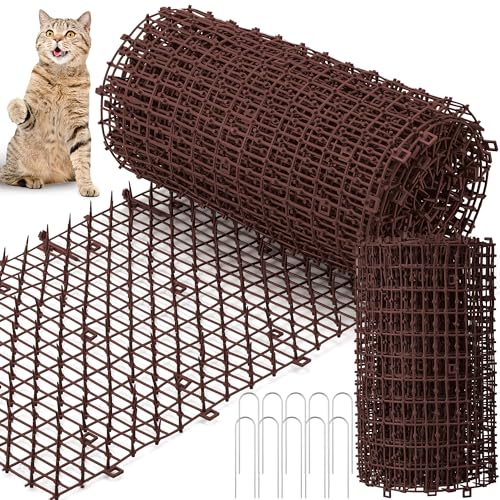
Surface modifications can also play a role. Utilize models with unusual textures or materials. Spiky mats or prickly surfaces placed on furniture can be effective in discouraging interaction. These textures appear uninviting and can deter curious paws.
Additionally, clustered potted plants can act as both barriers and decor. Choose non-toxic varieties known for their strong scents, which can repel interests while providing visual appeal.
| Barrier Option | Description | Benefits |
|---|---|---|
| Decorative Screens | Materials designed to block access or view | Enhances aesthetics, creates privacy |
| Anti-Bird Netting | Lightweight mesh to cover furniture | Allows airflow, prevents entry |
| Spiky Mats | Mats with uncomfortable textures | Physical deterrent discouraging visits |
| Potted Plants | Non-toxic varieties used strategically | Natural barrier, visual enhancement, scent deterrent |
Adjustments to barriers should be monitored over time. Assess their effectiveness and make changes as needed to maintain an enjoyable outdoor space. Mixing different strategies may yield the best results for lasting protection.
Creating Uncomfortable Surfaces for Pets
Opt for materials that disrupt your pet’s desire to perch on outdoor seating. By placing surfaces that feel unpleasant to their paws, you can deter them effectively. Consider using anti-slip mats with textured surfaces that irritate their delicate paws. Adhesive strips, designed for furniture or carpets, can create an unsettling sensation for any curious animal.
Unpleasant Textures
Implement citrus-scented fabrics or surfaces, as many felines dislike these fragrances. Cover cushions or seats with fabrics that are scratchy or prickly to make lounging undesirable. You might find that using sandpaper or rough-textured mats serves this purpose well, providing a barrier that deters while being visually unintrusive.
Temperature Control
Utilize reflective materials that absorb heat during sunny days, making surfaces hotter and less appealing for lounging. Alternatively, mats that can cool off in the shade will also dissuade pets from frequenting those areas, as they seek more comfortable spots to relax.
By layering uncomfortable textures and manipulating temperature, you can create an unwelcoming environment for any interested visitor.
Using Natural Deterrents: Plants and Scents
Introduce specific plants around the seating area to repel unwanted visitors. Certain species emit scents that are naturally unappealing to them. Consider these options:
- Rue: Known for its strong smell, this herb is effective in keeping many animals away.
- Citronella: Commonly used for its mosquito-repelling properties, its citrus scent is also a deterrent.
- Lavender: While pleasant to humans, its scent is often undesirable for many felines.
- Rosemary: The aroma can be off-putting, making it a great choice to plant near outdoor relaxation areas.
- Coleus canina: Known as the “Scaredy Cat Plant,” its odor is particularly offensive to some animals.
Incorporating these plants can enhance your garden aesthetic while serving a dual purpose of acting as a natural barrier.
Utilizing specific scents can further deter these creatures. Consider these aromatic solutions:
- Citrus peels: Place around the area; the scent is known to repel unwanted visitors.
- Vinegar: Use diluted vinegar as a spray to create an unfavorable environment.
- Essential oils: Natural oils like peppermint or eucalyptus can be mixed with water and sprayed to invoke a strong scent.
Regularly refreshing these scents maintains their effectiveness, ensuring that the outdoor spaces remain less inviting. These natural deterrents can be an eco-friendly solution to protect personal space while keeping the atmosphere pleasant.
Training Your Pets to Avoid Outdoor Areas
Begin by associating outdoor spaces with negative experiences. Utilize loud noises, such as clappers or pots, to startle them when they approach these zones. This creates an unpleasant memory connected to these areas.
Positive reinforcement plays a key role. Reward with treats or affection when they remain in areas designated for them. Consistency in this training is crucial, as pets quickly learn to repeat behaviors that yield rewards.
Avoid harsh punishments, as they can damage the bond between you and your animal. Instead, redirect their attention with toys or activities in preferred locations. This will gradually shift their focus away from undesired spaces.
Frequent short training sessions are more effective than long ones. Aim for 5-10 minute practices throughout the day. Keeping the experience positive will encourage better adherence to the new rules.
Engage in playful distractions around outdoor areas. For example, setting up a designated play zone or enhancing their environment with climbing structures can discourage these inquisitive creatures from straying.
Be patient. Modification of habits takes time and persistence. The goal is to cultivate a learned understanding of boundaries, ensuring everyone enjoys a harmonious environment. Adapt strategies as needed based on individual responses.
Regular Maintenance to Discourage Feline Presence
Establish a routine cleaning schedule for all outdoor settings. Removing any food residues, spills, or potential attractions will significantly reduce unwanted visits.
Inspect and repair any damages. Ensure that cushion covers, upholstery, or other soft surfaces are intact, as even minor wear can attract curiosity.
Apply a strict maintenance regimen that includes:
- Wiping down surfaces weekly to prevent scent buildup.
- Rotating furniture and accessories bi-weekly to disorient and discourage regular attention.
- Storing cushions and throws indoors when not in use, minimizing inviting areas for lounging.
Consider thorough seasonal cleanings, focusing on:
- Washing protective covers and ensuring they remain free from odors.
- Conditioning wood surfaces to repel moisture, preventing them from becoming inviting spots.
- Removing any potential nesting materials, such as leaves or twigs.
Regular oversight not only maintains aesthetics but also creates an environment that is less appealing for unwanted visits.
FAQ:
What are some effective ways to keep cats off outdoor furniture?
There are several methods you can try to deter cats from lounging on your outdoor furniture. First, consider using physical barriers like covers or decorative screens. Additionally, placing aluminum foil or double-sided tape on the furniture can create an uncomfortable surface for cats. Using citrus-scented sprays or essential oils such as lemon or orange can drive them away, as most cats dislike these smells. Finally, creating a designated area for cats with comfortable bedding or cat furniture can redirect their attention away from your outdoor seating.
Are there any natural repellents for keeping cats away from outdoor furniture?
Yes, there are several natural repellents that can help keep cats off your outdoor furniture. One popular option is to use vinegar or citrus peels, both of which have strong scents that many cats find unappealing. You can also consider planting herbs like lavender or rosemary around the area, as these can deter cats while enhancing the garden’s fragrance. Another option is coffee grounds, which can be scattered around the furniture since cats tend to dislike their smell.
How can I train my own cat not to go on the outdoor furniture?
Training your cat to avoid outdoor furniture can be achieved through consistent reinforcement. Start by using treats to reward your cat when it sits or rests in designated areas. You can also incorporate verbal commands to reinforce the behavior you want. If your cat jumps onto the furniture, gently remove it and redirect it to a more appropriate spot. Over time, with enough persistence and positive reinforcement, your cat will learn to avoid the furniture and settle in the designated areas instead.
What are some DIY projects to create barriers for outdoor furniture?
Creating DIY barriers for outdoor furniture can be both fun and functional. You can build simple wooden or PVC pipe frames covered with netting to keep cats off while still allowing for air circulation. Another idea is to construct a trellis with climbing plants that not only enhances your outdoor decor but also acts as a barrier. Alternatively, using mesh fabric draped over furniture when not in use can effectively prevent cats from climbing onto them.
Do certain outdoor furniture materials attract cats more than others?
Yes, certain materials may attract cats due to their texture and comfort. Soft fabrics like cushions covered in cotton or fleece can be inviting for cats looking for a cozy spot. In contrast, harder surfaces like metal or wicker are less appealing. To deter cats, consider using furniture made from materials they find less comfortable, and cover softer items when not in use to minimize their appeal.
What are some effective ways to discourage cats from sitting on outdoor furniture?
To keep cats off outdoor furniture, consider using physical barriers, scents, and movement-activated devices. Placing mesh or netting over furniture can create a physical barrier that prevents access. Certain scents, like citrus or lavender, are disliked by cats and can be applied to the furniture or the surrounding area. Additionally, motion-activated sprinklers or noise-making devices can scare cats away when they approach the furniture. Regularly removing toys or items that attract cats to the area can also help maintain a cat-free space.
Are there any specific products that can help keep cats off patio furniture?
Yes, several products on the market can effectively keep cats away from patio furniture. Look for cat repellent sprays that use natural ingredients to deter cats without harming them. Chair covers designed with privacy screens can also prevent cats from feeling comfortable enough to jump onto the furniture. Additionally, outdoor mats that have textures that cats find unpleasant can be placed on or near the furniture. Using these products in combination can create a less inviting environment for cats.


