
 Caleb Turner
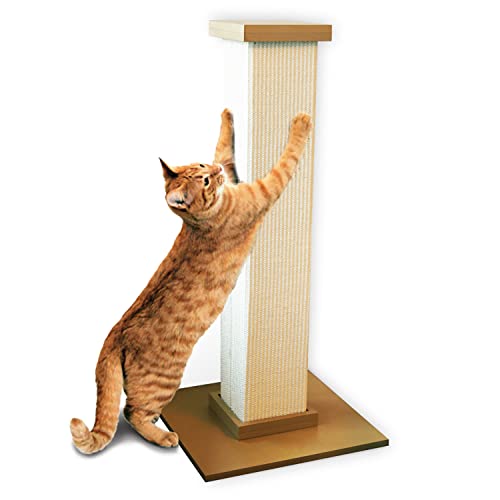
Applying durable protective covers can significantly reduce the temptation for scratching. These can range from specially designed textiles to slipcovers that shield your seats while allowing for a stylish appeal. In addition to their protective properties, many options come in various colors and patterns, enhancing the overall aesthetics of your space.
Creating designated play areas is another effective strategy. Utilizing scratching posts made from enticing materials encourages natural behavior while diverting attention away from precious items. Experimenting with various shapes and surfaces, such as sisal or corrugated cardboard, can help discover what captures your pet’s interest the most.


Incorporating deterrent sprays can also serve as a practical approach. These products often have scents that are unpleasant to felines but are safe for other surfaces. Regularly applying such sprays to affected areas can condition them to avoid those spots, gradually shifting their habits towards approved scratching venues.
Regular nail trimming is crucial to minimize potential damage. Keeping nails short not only protects your items but also contributes to the well-being of your pet, as overgrown claws can lead to discomfort. A routine check and trim every couple of weeks can make a difference in maintaining furniture integrity.
Engaging in rewarding positive behavior will strengthen the alternate habit-forming process. Offering treats or praise for using scratching alternatives establishes a positive association with those items, reinforcing the desired behavior over time.
Understanding the Reasons Behind Clawing Behavior
Observing scratching habits reveals a mix of instinctual actions and environmental factors. For instance, territory marking is a primary motivator. By using scent glands in their paws, felines establish their presence in a particular area, feeling secure in their domain.
Physical maintenance also plays a critical role. Clawing helps shed old layers of their claws, promoting healthy growth. Providing a suitable scratching surface assists in meeting this need effectively.
Emotional Factors
Stress or boredom can provoke excessive scratching. Creating an enriching environment with interactive toys and vertical spaces can alleviate anxiety and boredom. Engaging playtime not only fulfills their emotional needs, it also diverts them from inappropriate surfaces.
Natural Instincts
In addition to marking territory and maintaining claws, this behavior serves the purpose of stretching muscles and exercising. Observing these actions can provide insight into their natural instincts. Strategically placed alternatives for these behaviors encourages them to redirect their energy towards appropriate outlets.
Choosing the Right Scratch Deterrent Products
Consider investing in furniture protectors specifically designed for upholstery care. Look for adhesive strips or covers that can be applied directly to at-risk surfaces to deter damage. These products are often transparent, allowing the natural beauty of your seating to shine through.
Utilize commercial sprays or solutions that emit scents unpleasant to felines. Common scents include citrus or herbal aromas, which are often effective at repelling without harming the environment of your living space.
Incorporate scratching posts or pads into your home. Selecting varieties that mimic the texture of your upholstery can encourage the preferred use of designated areas. Make sure to place these alternatives near the furniture you want to protect; proximity is key.
Consider using a combination of products for maximum protection. For example, pairing a scented deterrent with physical barriers like covers creates a multi-faceted approach to safeguarding your belongings.
- Adhesive Strips: Easy to apply and remove, protecting critical areas.
- Furniture Covers: Soft, protective layers that can be removed or washed.
- Scented Sprays: Natural deterrents that can be refreshed regularly.
- Scratching Posts: Offer alternatives that divert attention from your items.
Always read instructions when using sprays or adhesives to avoid damage. Regular maintenance of these strategies ensures ongoing protection and comfort in your space.
Creating a Scratching Post Area
Designate a specific area in the home for the use of scratching posts. The location should be easily accessible and visible, ideally in a high-traffic zone where I spend a lot of time. This encourages my pet to use the designated posts rather than other surfaces.
Variety and Texture
Select a range of scratching posts with different textures and heights. Options such as sisal, cardboard, and carpet will cater to varying preferences. Cats often favor vertical and horizontal scratching; thus, having a combination of both can be beneficial. Consider rotating the positions of the posts to keep the area engaging and to prevent my feline from losing interest.
Positive Reinforcement
Whenever my furry friend uses the scratching post instead of other surfaces, I offer praise or treats. This positive reinforcement strengthens the association between the post and a rewarding experience. Consistency is key; I make sure to respond immediately after the desired behavior to reinforce learning.
Training Your Cat with Positive Reinforcement
Use treats after your feline engages with designated scratching surfaces. Reward immediately to create a strong connection between the behavior and the positive outcome. I found that small, tasty morsels often work best, as they can grab their attention instantly.
Incorporate playtime as a reinforcement technique. Interactive toys can divert focus from inappropriate surfaces, encouraging interaction with alternative scratching options. This not only tires them out but also strengthens our bond through shared activities.
Consistency is key. Ensure every family member follows the same guidelines; mixed signals can confuse a pet. Establish a routine, rewarding good behavior reliably, so they learn faster.
Observation is essential. When I notice my pet about to scratch an undesired area, redirect them gently to an appropriate spot. If I catch them in the act, a simple but firm “no” followed by showing them the correct surface helps reinforce the message.
Develop a broader understanding of your pet’s habits. Keep track of their favorite times and places for scratching. Adjust training methods accordingly; knowing their preferences allows me to tailor rewards and strategies that resonate more effectively.
Using Furniture Covers or Protectors
Opting for high-quality protective covers is a practical solution for safeguarding your seating from damage. These covers come in various materials such as fabric, polyester, or specially designed synthetic options that resist scratches and stains.
- Select a cover with a snug fit to prevent slipping. This ensures that the entire area remains shielded, minimizing exposure.
- Consider waterproof or stain-resistant varieties for added durability. These will offer extra protection against spills and accidental messes.
- Choose a design that complements your interior decor. Many options are available that provide aesthetic appeal while serving as protectors.
Incorporate furniture protectors like slipcovers or tailored pads in high traffic areas. These can deter any accidental damage while still allowing you to enjoy your space.
- Regularly wash and maintain the covers according to manufacturer instructions to prolong their lifespan.
- Keep an eye on wear and tear. Replace worn-out protectors promptly to ensure continued protection.
By integrating these covers, not only do you preserve your investment, but you also create a more cat-friendly environment without compromising style.
Regular Nail Trimming Techniques
I recommend trimming the claws every 1-2 weeks to prevent damage to surfaces. Gather essential tools like quality nail clippers, a file, and treats for rewards.
Start by selecting a quiet spot where your pet feels comfortable. Hold the paw gently and press the pad to extend the claw. Focus on the transparent tip, avoiding the pinkish area known as the quick, which contains nerves and blood vessels.
Trim just the sharp tip, being cautious not to cut too close. If unsure, clip a little and assess. Use the file to smooth any rough edges and minimize snagging.
After each session, reward with a treat or praise to create a positive association. If your companion is anxious, consider short sessions and gradually increase duration as comfort grows.
Consistency is key; routine trimming will help maintain a healthy claw length, protecting both your furnishings and your pet. If your animal resists, seek assistance from a groomer or veterinarian.
Implementing Environmental Enrichment Strategies
Incorporating a variety of stimuli within your pet’s living space encourages healthy behaviors and decreases the likelihood of damaging surfaces. Interactive toys, such as puzzle feeders and feather wands, can divert attention from your possessions to more stimulating activities.
Creating Engaging Spaces
Designate areas in the home with climbing structures and perches. These elevated spots provide a sense of safety while promoting natural instincts to explore. Consider placing cat trees near windows to attract attention with outdoor views.
Utilizing Sensory Stimulation
Introduce various scents and textures to captivate interest. Catnip, for example, can motivate play while scratching surfaces. Additionally, incorporating materials like sisal or carpet on scratching posts gives a satisfying sensation for your pet.
| Activity | Benefit |
|---|---|
| Interactive Play | Reduces boredom and satisfies hunting instincts |
| Climbing Structures | Encourages exercise and exploration |
| Scented Toys | Enhances engagement and satisfaction |
| Textured Surfaces | Provides satisfaction and promotes healthy scratching |
Regularly rotating toys and changing layouts within the space keeps things fresh, capturing attention and stimulating active play. It’s vital to invest in enriching experiences that reduce stress and keep your companion satisfied.


