
 Caleb Turner

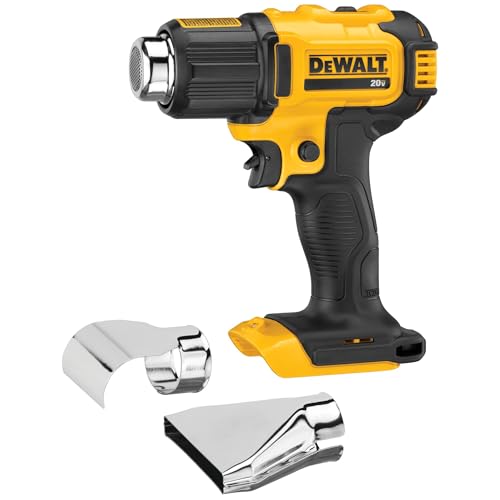
I recommend applying heat with a hairdryer or a heat gun to soften the remaining substance. Set the device on a low setting and hold it a few inches away from the affected area. As the temperature rises, the sticky material will gradually become pliable.
Next, take a clean, soft cloth or paper towel and gently wipe the surface, being cautious not to damage the finish. For particularly stubborn spots, a plastic scraper can help lift the residue without scratching. Work carefully around edges and corners where buildup tends to accumulate.


If slight discoloration remains after the initial cleaning, consider using a solution of equal parts vinegar and olive oil. Apply it with a microfiber cloth, buffing in the direction of the grain for a polished finish. This method not only helps remove any remaining residue but also nourishes the surface naturally.
For ongoing care, periodically inspect and maintain to prevent buildup from occurring again in the future. Regular dusting and the occasional application of a suitable wood conditioner will keep the surfaces looking pristine.
Choosing the Right Cleaning Materials
For optimal results, I recommend using soft, absorbent cloths, such as cotton or microfiber, to prevent any potential scratches during the cleaning process. These materials are gentle yet effective in absorbing residual substances without damaging the surface.
Solvents and Oils
A suitable solvent will be key in dissolving sticky substances. I find that mineral spirits or rubbing alcohol work effectively; they break down the stubborn residues. Always test the solvent on a hidden area to ensure it doesn’t affect the finish.
If you prefer a more natural approach, consider using a mixture of vinegar and oil. This not only removes grime but also conditions the surface, enhancing its appearance. Use a ratio of one part vinegar to three parts oil for optimal results.
Brushes and Scrapers
A soft-bristled brush is excellent for reaching crevices where residue may accumulate. I recommend using one with gentle bristles to avoid scratching the surface. Additionally, a plastic scraper can assist in lifting off stubborn bits without causing harm.
For particularly tough areas, ensure that any tools used are made of non-abrasive materials. Metal tools could lead to unwanted scratches, so it’s best to avoid those altogether.
Choosing the right materials not only simplifies the cleaning process but also preserves the aesthetics of your surfaces. Always prioritize gentleness and effectiveness in your selection.
Testing Surface Compatibility
Before applying any removal technique on a surface, I recommend conducting a spot test. This will help ensure that the cleaning method does not damage the finish. Use a hidden area or a less visible spot to perform this test.
Step-by-Step Testing Process
To carry out a proper assessment:
- Choose a small, inconspicuous section of the item.
- Apply the selected cleaning solution using a soft cloth or cotton swab.
- Gently rub the area for a few seconds.
- Observe for any changes in color, texture, or sheen.
Documenting Results
After testing, record your observations. Create a simple table to compare different methods on various finishes:
| Method | Surface Type | Result |
|---|---|---|
| Method A | Glossy Finish | No change |
| Method B | Satin Finish | Faded |
| Method C | Matte Finish | Discolored |
This structured approach aids in selecting the safest and most effective technique tailored to your specific needs, ultimately preventing any unintentional damage. Always prioritize gentle methods, especially on delicate surfaces.
Using Heat to Remove Wax
To effectively eliminate the residue from my antique piece, I utilize a heat source, such as an iron. Start by placing a clean, lint-free cloth over the affected area. This cloth serves as a barrier, preventing direct contact between the heat source and the surface, minimizing potential damage.
Set the iron to a low heat setting, ensuring that it’s not steaming. Move the iron gently over the cloth, allowing the warmth to penetrate. The heat will soften the leftover residue, making it easier to absorb into the cloth.
After several seconds, lift the iron and check the cloth; if it appears discolored or stained, it indicates that the residue is transferring. Replace the cloth if necessary and repeat the process until the area is clear.
Once satisfied with the results, I allow the surface to cool down completely. For a final touch, I apply a suitable polish to restore the luster and protect the finish. Always test the heat method on a small, inconspicuous area first to check for any adverse reactions.
| Material | Recommended Heat Setting | Notes |
|---|---|---|
| Painted Surfaces | Low | Use caution, as heat can damage the paint. |
| Varnished Surfaces | Medium | Monitor closely to avoid melting the finish. |
| Unfinished Wood | Low | Direct contact can scorch if too hot. |
Applying heat requires patience and attention, but it’s an effective method to rejuvenate surfaces without harsh chemicals. Always ensure proper ventilation and safety precautions when working with heat sources.
Applying Solvents for Wax Removal
I recommend choosing appropriate solvents while addressing the buildup on your treasured pieces. Options like mineral spirits or turpentine can soften the material effectively. Always work in a well-ventilated area, ensuring safety and comfort.
Prior to application, soak a clean cloth in your selected solvent. Gently dab it onto the affected area, allowing it to sit for a few minutes. This step helps break down the stubborn residue without aggressive scrubbing, which could damage the surface.
Once softened, use a different cloth to wipe the area, applying slight pressure. Repeat the process if necessary, but observe how the material responds to avoid any adverse effects.
After your task, always clean the area with a dampened cloth to remove any solvent residues. This final touch ensures the integrity of the finish is preserved while leaving the surface refreshed.
Scraping Off Residue Carefully
Use a plastic or wooden scraper to gently lift the substance from the surface. Avoid metal tools, as they can gouge or scratch the finish. Hold the scraper at a low angle, applying minimal pressure to prevent damage. Work in small sections, sliding the scraper under the substance to dislodge it.
If the substance is particularly stubborn, warm the area slightly with a heat source, then resume scraping. Always test this method in an inconspicuous spot first to ensure no adverse effects on the surface. After removing the bulk, inspect for any traces remaining.
For residual marks, a soft cloth dampened with a suitable cleaner can help lift any leftovers without additional scraping. Always wipe in the direction of the grain to maintain the integrity of the finish.
Cleaning the Area After Removal
After successfully taking care of the surface blemishes, the next step involves addressing the immediate vicinity. It’s crucial to ensure that any leftover debris or cleaning agent residues don’t compromise the appearance or integrity of the surrounding area.
Materials Needed
- A soft cloth or sponge
- Warm water
- Mild soap or wood cleaner
- Dry cloth
Steps to Follow
- Moisten a soft cloth or sponge with warm soapy water. Avoid soaking it, as excess moisture can be detrimental.
- Gently wipe the area surrounding the earlier treated spot, removing any debris or cleaning agents. Ensure the cloth is not dripping wet.
- For stubborn residues, a specialized wood cleaner can be applied following the manufacturer’s instructions.
- After cleaning, use a dry cloth to thoroughly pat the area dry. This prevents water damage or streaks.
- If necessary, apply a wood polish or conditioner to restore the sheen and protect the surface.
Regular maintenance and reinforcing protective coatings can aid in preserving the quality of surfaces for future use. Adjust your cleaning routine based on the materials and finishes present on your items for optimal care.
Restoring Wood Finish After Cleaning
To restore the finish after removing unwanted substance, I rely on a few specific steps. First, I select a high-quality wood polish or conditioner appropriate for the specific type of timber I’m working on. This product not only enhances the appearance but also nourishes the surface, helping to rejuvenate its original luster.
Applying the Polish
I apply the polish using a lint-free cloth, moving in the direction of the grain. This technique prevents streaks and ensures even coverage. A light application is key; excess product can lead to a sticky residue. After applying, I let it sit for a few minutes to penetrate the surface.
Buffing for a Glossy Finish
Following the application time, I buff the surface with a clean, dry cloth. This step enhances the shine and removes any surplus product, revealing a smooth, polished finish. Regular maintenance with polish can help preserve the beauty of the timber.
Avoiding Damage During the Process
I always take extra precautions to prevent harm to surfaces while removing deposits. Here are key strategies that help protect the integrity of materials:
- Test all products on a concealed area before applying to visible sections. This reduces the risk of unsightly marks or discoloration.
- Use a soft cloth or sponge; abrasive pads can scratch and mar the finish. Microfiber cloths are particularly gentle and effective.
- Keep heat sources at a safe distance, ensuring they don’t exceed temperatures that could warp or burn finishes. A low setting is more than sufficient.
- Apply any solvents sparingly. Soak a cloth rather than the surface to control the amount of liquid that comes in contact with the material.
Choosing Proper Tools
Selecting appropriate implements is critical. Opt for plastic scrapers instead of metal. They minimize the chance of gouging or denting the surface.
Mind the Environment
Ensure ventilation during the process. Chemical fumes can be irritating and harmful. Working in a well-ventilated area protects both health and the surrounding environment.
Regularly check the progress to avoid leaving any residues lingering too long, which can lead to damage. A gentle and patient approach guarantees the best results.
Preventing Future Wax Spills
To minimize the risk of future spills on surfaces, I recommend implementing several proactive measures.
- Use coasters and placemats under candles and decorative items to catch drips.
- Opt for flameless LED candles to eliminate melting altogether.
- Regularly check and maintain candle holders to ensure they are secure and stable.
- Consider placing a protective barrier, such as a wax-resistant cloth, underneath items that may cause spills.
- Educate all household members about the risks and proper handling of items that can leak.
Regular Maintenance
Establish a routine to clean surfaces frequently. Dust and debris can attract spills and contribute to the wear of finishes. Use gentle cleaning products to avoid potential damage.
Choosing the Right Location
Select ideal spots for candles and decorative accent pieces away from high-traffic areas to reduce spill risk. Keep them out of reach of pets and children.


