
 Caleb Turner

Applying a mixture of white vinegar and water immediately neutralizes unpleasant odors. Combine equal parts of both in a spray bottle, shake well, and lightly mist the affected area. Allow it to air dry for optimal effect.
For stubborn issues, consider using baking soda as an absorbent. Sprinkle a generous layer over the targeted surfaces and let it sit overnight. Vacuum thoroughly the next day to remove any residue and lingering scent.
An enzymatic cleaner specifically formulated for organic stains can be a powerful ally. These products break down odor-causing substances at a molecular level. Follow the manufacturer’s instructions for the best results.
After treatment, ventilation is crucial. Opening windows or using a fan can significantly enhance air circulation and assist in dissipating any remaining odors. Regular cleaning and maintenance will further prevent recurrence.


Eliminating Foul Odors from Upholstery
Begin by absorbing as much of the liquid as possible with paper towels. Blot the area gently, avoiding rubbing, which could spread the stain. Once the surface is dry, sprinkle baking soda generously over the affected region. Allow it to sit for at least 15 minutes to neutralize lingering scents.
Natural Solutions
Prepare a mixture of equal parts white vinegar and water in a spray bottle. Lightly mist the area, ensuring it’s damp but not soaking. Let this solution work for about 10 minutes, then blot with clean cloths. This combination effectively reduces pungent odors.
Commercial Cleaners
If natural remedies do not yield satisfactory results, consider specialized enzymatic cleaners designed for odor elimination. Apply according to the manufacturer’s instructions, ensuring proper saturation of the material. Allow it to air dry, as this helps in breaking down any remaining particles.
For persistent issues, repeat the process as necessary. Regular maintenance not only prevents the recurrence of unpleasant scents but also keeps upholstery looking fresh and appealing.
Identify the Source of the Odor
To tackle the issue effectively, pinpoint the origin of the unpleasant scent. Start by conducting a thorough inspection of your seating or other items that may have been affected. Look for discoloration, dampness, or any signs that might indicate a problem area.
Visual Indicators
Check for dark spots on the upholstery or wood, as these often suggest where fluids have penetrated. If you notice a specific area that is lighter or has a different texture, it may require more attention.
Utilize Your Senses
Trust your nose; often, the strongest odors will guide you to the source. If possible, consider using a blacklight, which can reveal track marks or stains that are invisible under normal light. This method helps identify spots that might need extra care.
Once the offending areas are found, you can move forward with appropriate cleaning techniques specifically designed for those materials, ensuring a thorough approach to eliminate the odor.
Choose the Right Cleaning Solution
Selecting an appropriate cleaning agent is key to eliminating unwanted odors. I recommend using enzymatic cleaners designed specifically for organic stains, as they break down the compounds causing the unpleasant scent.
Here are some effective options:
- Enzymatic Cleaners: These cleaners contain specific enzymes that neutralize odors at the molecular level, making them highly effective.
- Vinegar Solution: Mixing equal parts of white vinegar and water creates a natural alternative. It helps to cut through residues while providing deodorizing properties.
- Baking Soda: This common household item absorbs odors. I usually sprinkle it over affected areas after cleaning for extra freshness.
- Commercial Odor Neutralizers: Products specifically formulated for tackling persistent smells can be beneficial. Ensure they are safe for the material being treated.
Always perform a patch test on a discreet area to ensure safety on your surfaces. Following the manufacturer’s instructions and allowing adequate drying time will help to achieve optimal results.
Prepare the Furniture for Cleaning
Remove all loose items and cushions from the piece. This allows for a thorough inspection and ensures that any affected areas are accessible. Place removable fabrics in the washing machine, if possible, based on care instructions.
Next, check for any visible stains or damage. Document these areas with photos for reference. Determine if any special cleaning methods are required based on the material type; for instance, leather may require specific products.
Before applying any cleaning solution, always conduct a patch test on an inconspicuous area to prevent damage or discoloration. If the material is delicate, consider using mild cleaners or solutions specifically designed for that fabric.
Ensure that the area is well-ventilated. Open windows or use fans to promote air circulation. This not only aids in drying but can also help dissipate any lingering odors during the cleaning process.
Gather all necessary cleaning supplies in one location. Typical items include:
- Paper towels or clean cloths
- Spray bottles for solutions
- Enzymatic cleaner
- Soft brush or sponge
- Protective gloves
Finally, set aside sufficient time for both the cleaning and drying process, as rushing may lead to suboptimal results. Ensure that everything is prepared before starting the task.
Apply the Cleaning Solution Properly
For the best results, I apply the cleaning mixture generously to the affected area, ensuring it penetrates deep into the fabric or surface. I let it sit for at least 10 to 15 minutes, which allows the solution to break down any residues effectively.
Technique for Application
I use a spray bottle to evenly distribute the mixture over the spot. This helps avoid over-saturation in one area while ensuring the entire section is treated. I focus on areas where odor is most potent, gently rubbing the solution in with a clean cloth or sponge.
Rinsing and Drying
After allowing the solution to work, I lightly rinse the area with clean water to remove any cleaning agents. Using a separate cloth, I blot the area to absorb excess moisture, then allow it to air dry completely. For tough cases, I may repeat the application process until the area is odor-free.
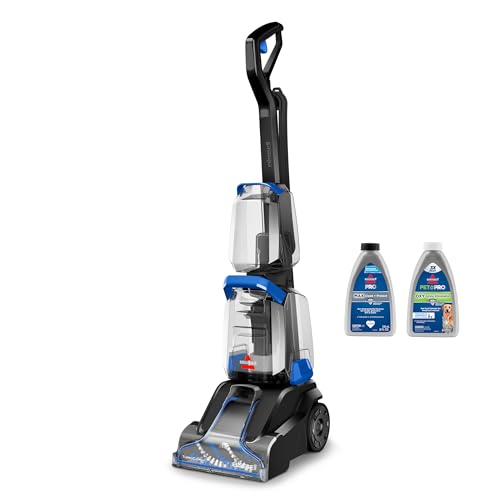
Use a Carpet Cleaner for Upholstery
Utilizing a carpet cleaner designed for upholstery can greatly simplify the process of eliminating unpleasant odors. First, ensure the cleaner you choose is safe for the specific materials of your sofas or chairs. Many models offer spot-cleaning functionality, which is ideal for addressing localized issues.
Before starting, vacuum the surface to remove loose debris that can interfere with the cleaning process. Next, prepare the cleaning solution according to the manufacturer’s instructions. Avoid excess moisture to prevent any mold or mildew issues.
For the cleaning process, begin by testing an inconspicuous area of the fabric to check for color fastness. Once confirmed, apply the cleaning solution to the affected sections. Use the carpet cleaner’s brush attachment, if available, to gently agitate the fabric.
After applying the solution, allow it to sit for the recommended time. This step helps the cleaner penetrate deeper layers, maximizing effectiveness. Following this, thoroughly extract the solution using the cleaner’s suction capability. Ensure all residue is removed to prevent lingering odors.
Finally, if necessary, repeat the process for stubborn areas. Allow the upholstery to air dry completely. For best results, ensure proper ventilation in the room during the drying phase. A fan can accelerate this process and further assist in eliminating any remaining residues.
| Step | Action |
|---|---|
| 1 | Choose a suitable carpet cleaner |
| 2 | Vacuum the upholstery |
| 3 | Prepare the cleaning solution |
| 4 | Test on an inconspicuous area |
| 5 | Apply the cleaning solution |
| 6 | Agitate the fabric with a brush |
| 7 | Allow the cleaner to sit |
| 8 | Extract the solution |
| 9 | Allow drying in a ventilated area |
Neutralize Remaining Odors
To effectively diminish lingering scents, I mix equal parts of white vinegar and water in a spray bottle. After lightly misting the affected area, I leave it to soak for around 15 minutes. This not only neutralizes the persisting scent but also acts as a natural disinfectant.
Additional Techniques
For stubborn odors, I sprinkle baking soda over the treated area. After a few hours (or overnight), I vacuum thoroughly. Baking soda absorbs unwanted particles and leaves the fabric refreshed.
Essential Oils
Incorporating essential oils can provide a pleasant fragrance while masking any remaining scents. I add a few drops of lavender or tea tree oil to the vinegar and water mix. The infusion offers a dual benefit: odor neutralization and a soothing aroma.
Prevent Future Incidents
Regularly clean and maintain your textiles. Use removable covers when possible, and wash them frequently. Consider using waterproof furniture protectors to shield against potential accidents.
Provide Designated Areas
Set up specific zones for your pets to avoid unwanted incidents. Create cozy spaces with blankets and toys to encourage them to use these areas instead of your upholstery.
Behavioral Training
Implement training techniques to discourage unwanted behaviors. Positive reinforcement for using appropriate areas can strengthen desirable habits. Consult with a veterinarian or a pet behaviorist if issues persist.
Consider Professional Help if Necessary
When standard cleaning methods fail to eliminate persistent odors, seeking assistance from specialists becomes a practical solution. They possess access to advanced equipment and products that effectively neutralize deeply embedded scents beyond the reach of regular cleaning processes.
Research reputable cleaning services that specialize in odor removal. Look for companies with positive reviews and proven expertise in handling similar issues. Ensure they use safe and environmentally friendly techniques to protect both your items and household health.
An initial consultation can help assess the situation and provide insight into the best approach. They might recommend various treatments, from enzymatic cleaners to steam cleaning, tailored to the specific materials of the items in question.
Budget considerations are also crucial. Obtain quotes from different services to evaluate options. While professional help entails a higher upfront cost, the long-term value of restoring your belongings is often worth the investment.
Ultimately, if attempts to address the nuisance fall short, enlisting experienced professionals may be the most effective route to restore comfort in your space.


