
 Caleb Turner
First, assess the dimensions of the space you’re working with. Measure the width of the entryway and the size of the piece itself. It’s crucial to account for obstacles such as lighting fixtures, railings, or any furniture that might interfere with the transfer. Understanding these measurements will guide you in determining the best angle and approach for your endeavor.
Next, consider disassembling the item if possible. Removing legs or other detachable components can reduce bulk and create a more manageable shape. For instance, chairs often have removable cushions or legs. This simple step often makes transitioning through tight spots significantly easier.
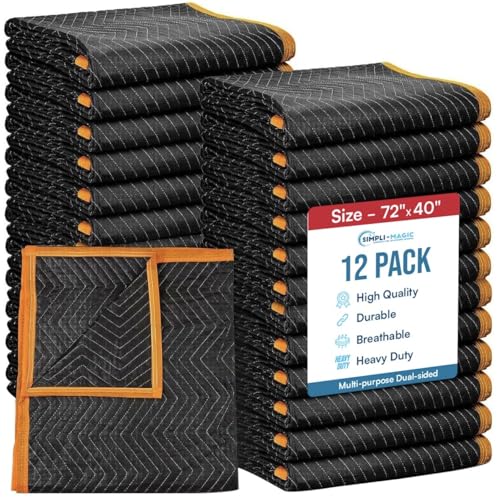
Utilize protective coverings to prevent scratches and damage to both the item and the surrounding area. Blankets or soft pads can be particularly useful when maneuvering through narrow hallways or around corners. Taking this precaution not only preserves your belongings but also helps to maintain the integrity of walls and door frames.
If the doorway is too confined, experiment with tilting or rotating the piece. Sometimes angling at a 45-degree position can work wonders. Engage a friend to assist with balancing and holding while you guide the larger piece. Teamwork oftentimes smooths the process and reduces the risk of accidents.


Measuring the Furniture and Door Dimensions
First, I take precise measurements of the item I plan to move. Utilizing a measuring tape, I record its height, width, and depth from various angles. Note any protruding parts, as they can affect the overall fit.
How to Measure
I always measure in inches for accuracy. I begin with the width, noting the widest point. Then, I measure the height, especially if there are any elements that could impact its vertical clearance. Lastly, I check the depth, which is critical when maneuvering in tight spaces.
Door Specifications
Next, I measure the dimensions of the entryway. This includes the width and height of the frame and the swing direction of the door. If the door has a handle or lock that protrudes, I account for it in my measurements.
| Measurement | Details |
|---|---|
| Item Width | Measure at the widest point |
| Item Height | Check all vertical elements |
| Item Depth | Needed for tight fits |
| Entryway Width | Overall width of the frame |
| Entryway Height | From floor to top of the frame |
After gathering these specifics, I compare them to ensure a proper fit. If any measurements are close to the limits, I’d consider alternative angles for maneuverability.
Choosing the Right Angle for Maneuvering
Align the piece at an angle of approximately 45 degrees to maximize clearance. This position helps in utilizing the dimensions of both the object and the frame, allowing for smoother movement. Adjust continuously based on any obstructions such as corners or furniture along the pathway.
Utilizing Rotation
Rotate the item while approaching the entryway. This technique not only helps in fitting through narrow spaces but also allows me to find the optimal position without excessive force. Always maintain a firm grip and have a clear path ahead to avoid any sudden stops or adjustments.
Vertical vs. Horizontal Placement
Decide whether to position the piece vertically or horizontally based on the dimensions I measured earlier. Smaller or narrower items often fit better when upright, while wider objects require a horizontal approach. Experiment with both orientations if necessary, as small shifts can yield significant results.
Disassembling Furniture for Easier Access
Taking apart items simplifies the process of moving them. Start by gathering necessary tools: a screwdriver, wrench, and perhaps a hammer.
- Identify the parts that can be disassembled. Common components include legs, shelves, or backs.
- For tables and chairs, unscrew the legs first. Mark where each piece belongs to avoid confusion during reassembly.
- Remove any hardware, such as screws and brackets, and place them in a labeled bag.
- For larger units, like cabinets or dressers, dismantle doors or drawers to reduce weight and bulk.
Documentation aids reassembly. Take photos at each step or sketch a simple diagram. This visual guide speeds up the process later.
Prioritize safety by securing pieces to prevent them from falling or causing injury. Wearing gloves protects hands from sharp edges during disassembly.
After completion, transport parts carefully. Wrapping them in blankets or bubble wrap minimizes damage en route to their new location.
Reassemble in the opposite order of disassembly, referring to your documentation as needed. Ensure that all screws and hardware are tight for stability.
Using Sliders and Blankets for Protection
The definitive way to safeguard your belongings during transport involves sliders and blankets. Sliders, often made from plastic or felt, can drastically reduce friction. Placing them under the legs or base of the item you’re moving allows for smoother gliding across floors. This technique minimizes the risk of scratches and dents on surfaces.
Implementing Sliders
When utilizing sliders, choose ones appropriate for the type of flooring. For hardwood, felt sliders prevent scratches, while plastic sliders work well on carpeted surfaces. Position the sliders directly beneath each corner of the piece. This method not only eases handling but also significantly lowers physical strain, allowing one person to manage heavier objects with more ease.
Blanket Usage for Protection
In addition to sliders, covering your item with blankets adds another layer of safety. Use thick moving blankets to wrap areas prone to impact, such as corners and edges. I recommend securing the blankets with straps or packing tape to keep them in place. This setup absorbs shock during movement and preserves the finish on surfaces, maintaining the condition of your valuable items. Optimal wrapping would include a double layer over particularly fragile sections, providing reassurance against accidental bumps.
Combining both sliders and blankets creates a protective strategy during relocations. By reducing friction and adding cushioning, I’ve seen many avoid costly repairs and ensure their possessions arrive safely at their destination.
Enlisting Help for Heavy or Bulky Items
Whenever I tackle moving large items, involving extra hands proves indispensable. I always invite friends or family members, ensuring they understand the plan before we start. Clear communication about each person’s role prevents confusion and enhances coordination during the process.
I often find that having at least two additional helpers is ideal. This gives me the capacity to focus on narrower passages while others can manage more extensive sections. Assigning specific tasks reduces the chances of damage to both the item and the surrounding environment.
For items that require significant strength or leverage, I look for individuals with experience in lifting or moving. Their expertise helps in managing the weight and angles without risking injury. Using a team approach boosts morale and efficiency, transforming a potentially stressful situation into a collaborative effort.
In addition, if I encounter particularly robust pieces, I utilize local resources such as moving companies or professional movers. Their specialized equipment and skills make a substantial difference, especially in tight quarters. Researching options in advance allows me to choose the best fit without last-minute scrambles.
Finally, I always keep refreshments on hand for everyone involved. This keeps spirits high and energy levels up, making the experience more enjoyable. A little incentive goes a long way in ensuring everyone is willing to lend a hand for the next round of moving tasks.
Safety Tips to Avoid Damage or Injury
Always maintain a clear path. Before attempting to maneuver large objects, ensure the area is free of obstacles to prevent tripping or collisions. Remove loose rugs, clutter, or any items that could impede movement.
Protect Yourself
Wear appropriate clothing that allows for easy movement. Steel-toed boots and gloves offer added protection against heavy items. Consider using back support belts when lifting or carrying significant weight to minimize strain and injuries.
Use Proper Lifting Techniques
Bend your knees and keep your back straight while lifting. This technique distributes weight more evenly and protects your spine. Use both hands to grasp the item securely, and lift with your legs, not your back. For particularly heavy items, slide rather than lift whenever feasible, utilizing sliders for ease of movement.


