
 Caleb Turner

First, place the affected item in a dry, well-ventilated area. This step is critical; airflow helps facilitate moisture evaporation.
Next, utilize a fan to enhance air circulation around the piece. Positioning the fan at a distance prevents direct impact while promoting gradual drying, which aids in minimizing further warping.

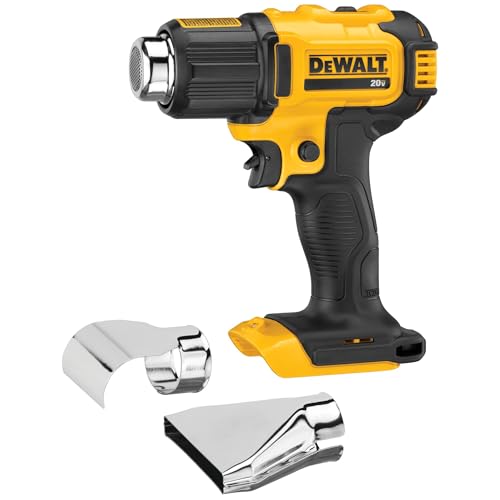

If the swelling is pronounced, consider applying gentle heat through a hairdryer set on a low setting. Maintain a distance of at least twelve inches to avoid overheating. This technique can help soften the material and encourage it to revert to its original shape.
For minor cases, dampening a soft cloth with water and gently wiping the surface can assist in redistributing moisture evenly. Be careful; excessive wetness can lead to additional complications.
Finally, once the item appears to have returned to its former condition, use a suitable wood conditioner or polish to restore its finish and protect it from future moisture exposure.
Assessing the Extent of Water Impact
Begin with a thorough visual inspection of the surface to identify signs of distortion or discoloration. Look for obvious areas where the structure bulges or feels spongy, indicating significant infiltration. Pay particular attention to joints and corners; these areas often absorb moisture more readily.
Checking for Structural Integrity
Gently press down on various sections of the material. Areas that feel soft or give way under pressure suggest deeper saturation. Using a moisture meter can provide a more precise reading of internal moisture levels. Obtain readings from different spots to gauge the spread of the issue accurately.
Examining Finish and Surface Treatment
Inspect the finish for peeling, cracking, or bubbling. Any abnormal texture or appearance could signify that the protective coating has been compromised, allowing moisture entry. Removing a small section of the finish may help reveal the underlying condition without causing further harm.
Drying Out Swollen Wooden Pieces
Place the affected item in a well-ventilated area to facilitate drying. Avoid direct sunlight, as it may cause uneven drying and cracking. Use fans positioned to circulate air without blowing directly on the surface.
For enhanced drying, consider utilizing silica gel packets. Distribute them around and inside any drawers or compartments. This method attracts moisture more effectively than standard air exposure.
If possible, disassemble any removable parts. This allows air to circulate more freely between components, ensuring a thorough drying process.
Regularly check the moisture content of the surface using a moisture meter. This helps track progress and prevents over-drying, which can lead to additional warping.
If the heat source is safe, applying a low-level heat via a space heater or hairdryer can expedite the process. Maintain a distance to avoid overheating any material.
| Method | Description |
|---|---|
| Ventilation | Using natural airflow to promote drying. |
| Silica Gel | Placing packets around and inside the item to absorb moisture. |
| Disassemble | Take apart components to allow better air circulation. |
| Moisture Meter | Using a gauge to monitor moisture levels. |
| Heat Application | Using a safe heat source to speed up drying. |
Patience is key; complete drying may take several days. Once thoroughly dried, evaluate any shape changes and proceed with necessary refinishing steps if needed.
Removing Excess Water from Wood Surfaces
Utilize absorbent cloths or towels to gently blot the affected areas, ensuring not to rub or scrub, as this can further damage the texture. After blotting, leave the surface exposed to air circulation for rapid moisture evaporation.
Using a Fan or Dehumidifier
Position a fan near the item to enhance airflow. A dehumidifier can expedite drying, especially in humid environments. Be cautious about placing heat sources too close, as excessive heat might warp materials.
Applying Baking Soda
Sprinkle a layer of baking soda on the surface, known for its moisture-absorbing properties. Allow it to sit for several hours or overnight before vacuuming. This method can help draw out trapped moisture from crevices.
Using Heat to Restore Wood Shape
Applying heat can be a successful method to reshape your item after moisture absorption. Here’s a step-by-step approach to utilize this technique effectively:
- Prepare Your Tools: Gather a hairdryer or a heat gun. If using a heat gun, maintain a safe distance to prevent scorching.
- Target the Affected Areas: Identify the specific sections that require adjustment. Focus on the areas that have visibly altered in form.
- Low Heat Setting: Set your device to low heat. Excessive heat might create additional issues, so moderation is key.
- Even Movement: Move the heat source gently across the surface, ensuring even coverage. Avoid concentrating heat in one spot for too long.
- Monitor Changes: As the moisture evaporates, keep an eye on the object’s response. The fibers may begin to relax and revert to their original shape.
- Use a Damp Cloth: For stubborn areas, apply a damp cloth over the region being heated. This can assist in softening the fibers, making reshaping easier.
- Allow to Cool: After achieving the desired shape, allow the piece to cool in place. This will help set the new form.
- Final Touches: Once cooled, inspect for any remaining imperfections. Light sanding may be necessary to smooth out rough spots.
Repeat the heating process if necessary, being cautious not to cause further stress to the fibers. This technique can be particularly effective, balancing gentle heat application with patience.
Applying Wood Conditioner for Rejuvenation
First, select a high-quality wood conditioner specifically designed for rejuvenation. I recommend using a product that penetrates deeply to restore the natural oils and moisture balance.
Before application, ensure that the surface is clean and free of dust. I gently wipe with a slightly damp cloth, allowing the furniture to dry completely.
Using a clean, soft cloth or a foam applicator, I apply the conditioner evenly, working with the wood grain to allow maximum absorption. It’s crucial not to over-saturate; a thin layer is sufficient for effective treatment.
Allowing Absorption
After application, I let the conditioner sit for about 15 to 30 minutes, allowing it to penetrate effectively. I then buff the surface with a dry cloth to remove any excess product.
Reapplication Steps
For optimal results, I repeat this process after a few days if necessary, particularly if the material still appears dry or lacks luster. Continuous maintenance with a quality conditioner helps prolong the life and appearance of the surface.
Regularly conditioning is essential; I usually schedule it every few months to keep the finish vibrant and protected.
Repainting or Refinishing Affected Areas
Assess the integrity of the finish after restoring the original shape. If you notice discoloration, peeling, or uneven surfaces, repainting or refinishing is necessary. Choose a suitable paint or stain that matches the existing color closely for seamless integration.
Preparation Steps
Begin by cleaning the surface with a gentle cleanser to eliminate dust and debris. Once dry, lightly sand the area to create a smooth base and enhance adhesion. Use fine-grit sandpaper for best results, and ensure no dust remains afterward by wiping with a damp cloth.
Application
Apply primer if painting, allowing it to dry fully. For staining or refinishing, carefully follow the product instructions, typically starting with thin layers. Use a brush or cloth for an even application, and allow adequate drying time between coats. A second or third coat may be necessary to achieve the desired look.
Finish with a protective topcoat suitable for the type of material when dry. This step enhances durability and adds a polished touch. Regular upkeep with appropriate cleaners will help maintain the finish and extend the life of the piece.
Preventing Future Water Damage
To safeguard against future issues with moisture, keep humidity levels in the living space between 30-50%. Use a dehumidifier in damp areas and ensure proper ventilation in rooms prone to moisture, such as kitchens and bathrooms.
Protective Measures
- Coat surfaces with a quality sealant or water-repellent finish to create a barrier against excess moisture.
- Employ coasters and trays under drinks and plants to prevent any leaks.
- Implement regular inspections for signs of leaks from plumbing fixtures and windows.
Storage Solutions
- Avoid placing pieces directly on damp floors; instead, use risers or furniture pads to elevate them.
- Store sensitive items away from potential infiltration points, such as near windows or plumbing pipes.
Maintain a routine of periodic cleaning and conditioning to sustain the integrity of your items. This preventative approach minimizes the risk of significant damage in the long run.
When to consult a professional
If structural integrity is compromised, seeking expert assistance is necessary. Signs such as severe cracking, persistent mold growth, or an overwhelming odor indicate deeper issues that need specialized attention.
Consider engaging a specialist if after attempting basic restoration methods, the surface remains uneven or continues to warp. Tools and techniques suited for intricate repairs may be beyond typical household capacity.
For high-value antiques or heirlooms, relying on skilled restorers ensures that the unique characteristics of the piece are maintained. Their expertise can also help in preserving the item’s value.
In cases where damage stems from significant leaks or flooding, consultation becomes essential. A thorough assessment provided by professionals facilitates identification of potential hazards, including hidden mold or rot that could worsen over time.
Always weigh the cost of professional repair against the potential loss from further damage. If unsure of the best course of action, reaching out to an expert can provide clarity and peace of mind.


