
 Caleb Turner

If you notice imperfections on your beloved timber items, consider using a touch-up marker that matches the color of the surface. This quick solution can easily mask small scratches or chips, making them less noticeable.
For deeper inconsistencies, I recommend applying wood filler. Choose a product that closely resembles the grain pattern and hue of the item. After applying, allow it to dry completely, then sand lightly until smooth. Finally, finish with a matching stain for a seamless appearance.
Additionally, restoring shine can significantly enhance the visual appeal of your pieces. Wipe the surfaces with a mixture of vinegar and olive oil to rejuvenate the finish and remove stubborn smudges. This simple technique brings back life and luster to aged wooden surfaces.


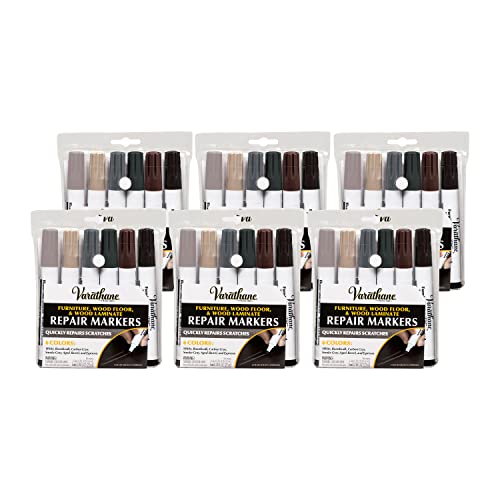
Don’t overlook preventive measures. Using coasters and placemats helps protect against future damage. Regular cleaning with a soft cloth and avoiding exposure to direct sunlight will keep your treasured pieces looking their best.
Restoring Damaged Wooden Surfaces
To address imperfections on the surface, I often use a combination of wood filler and touch-up markers. Begin by cleaning the area with a damp cloth to remove dust and debris. Ensure the surface is dry before applying filler, which should match the wood species. Fill the imperfection using a putty knife, smoothing it out for an even finish.
After the filler dries, lightly sand the area until it’s flush with the surrounding surface. I recommend starting with fine-grit sandpaper and finishing with a finer grit for a smooth texture. Next, apply a stain or paint that matches the original color of the piece, using a brush or cloth to blend it seamlessly.
Protecting the Newly Treated Area
Once the touch-up is complete, I like to apply a clear protective finish. Options include polyurethane or varnish, which help lock in the repair and create a durable layer against future damage. Use a clean brush to apply the finish, ensuring even coverage, and allow appropriate drying time.
Regular Maintenance Tips
- Wipe surfaces regularly with a soft, damp cloth to prevent dust buildup.
- Avoid placing hot or wet items directly on the surface.
- Use coasters and placemats to minimize scratches and dents.
- Buff with a furniture polish periodically to maintain luster.
Assessing the Damage of the Chip
Inspect the area closely. Look at the size of the defect and its location. A small nick on a hidden edge may require less attention than a larger gouge visible front and center. Take note of splintering or missing pieces, as these will affect the repair method.
Evaluate Material Type
Identify the material used in your piece. Hardwoods like oak or walnut may require different techniques compared to softwoods like pine. Understanding the material will guide the selection of appropriate fillers or adhesives, ensuring a better aesthetic match and adhesion.
Check for Structural Integrity
Assess whether the damage has compromised overall stability. Wobbly legs or a weakened frame indicates that the repair may need to go beyond surface touch-ups. If the structure is affected, reinforce joints or supports before addressing cosmetic issues to ensure lasting results.
Gathering Necessary Repair Materials
Prepare a selection of materials before beginning the repair process. You will need wood filler, which can be found in various colors to match your item. A putty knife is essential for applying the filler evenly. Sandpaper with different grits will help refine the surface for a smooth finish, while a soft cloth can be used for cleaning any dust before applying a finish.
Additional Items
Consider acquiring wood glue for deeper repairs. If finishing touches are needed, choose varnish or stain in line with the existing color of the piece. A paintbrush for application and a small brush for detailed areas will enhance the final appearance. Latex gloves can protect your hands during the process.
Tool Necessities
A small clamp can be beneficial for holding pieces in place while things set. A utility knife may be handy for trimming excess filler. Ensure you have a clean workspace with adequate lighting to avoid mishaps during the repair.
Cleaning the Area Around the Chip
Before proceeding with any repair, I ensure the area surrounding the damage is free from dust and debris. I use a soft cloth slightly dampened with water to gently wipe the surface, avoiding excessive moisture that could seep into the grain.
Using Appropriate Cleaners
If the chip is near areas with sticky residues or stains, I apply a mild soap solution. Dampen a cloth with the soap mixture and carefully scrub the affected area. Once the residue is removed, I use another clean damp cloth to rinse off any soap, followed by a dry cloth to absorb excess moisture.
Inspecting for Additional Issues
While cleaning, I take time to inspect the surrounding area for any additional flaws that may need attention. This helps me create a well-rounded repair plan. Ensuring the surface is fully dry before moving on to the repair process is key to achieving a seamless finish.
Choosing the Right Wood Filler
For my repair, I select a wood filler that matches the type of surface I’m dealing with. If the piece is softwood, such as pine, I opt for a lightweight filler. Conversely, for hardwoods like oak, a denser formulation works best. This ensures that the material bonds properly and mimics the original grain upon finishing.
Color Matching
I carefully check the color of the filler against the existing finish. If the exact shade isn’t available, I mix different tones to get as close as possible. This attention to detail will help blend the repaired area seamlessly with the rest of the surface.
Application Considerations
Depending on the damage, I prefer either a paste or liquid filler. Paste fillers are perfect for larger voids, allowing me to sculpt the repair, while liquid fillers work well for smaller nicks or surface imperfections. Regardless of choice, I ensure the selected product is easy to sand and accept stain or paint as needed.
Applying Wood Filler to the Chip
After selecting the appropriate compound, I spread a generous amount into the damaged area using a putty knife. It’s crucial to fill it completely, ensuring that the material overflows slightly to allow for sanding after curing.
Steps to Apply the Filler Effectively
- Hold the putty knife at a 45-degree angle and press firmly while sliding it over the area.
- Use the edge of the knife to remove any excess smoothly along the edges of the indention.
- Apply additional filler if necessary, filling it until it’s slightly raised above the surrounding surface.
For quicker drying, I try to maintain an even layer without any air pockets. Following the manufacturer’s instructions on drying time is essential.
Finishing Touches
- Once dry, I lightly sand the area with fine-grit sandpaper until it is flush with the original surface.
- Wipe away the dust with a clean cloth before proceeding with any staining or sealing process.
This method ensures a seamless repair that blends well with the existing finish.
Finishing the Repaired Area with Stain or Paint
Select a stain or paint that matches the original finish of the item. My personal experience suggests testing the color on a small, inconspicuous area before applying it to the repaired part.
For staining, use a fine brush or a clean cloth to apply the product. If you’re aiming for a natural look, choose a stain that enhances the wood grain without obscuring it. Apply thin layers, allowing each coat to dry completely to avoid an uneven finish.
In case of painting, ensure the repaired section is thoroughly dry and lightly sanded. This promotes better adhesion. I recommend using a primer for optimal results, especially if the color differs significantly from the base. Apply paint in multiple thin coats, allowing adequate drying time between applications.
| Finishing Method | Steps |
|---|---|
| Staining |
|
| Painting |
|
After achieving the desired finish, allow sufficient time for the stain or paint to cure fully for best durability. Regularly inspect the area for maintenance and reapply as needed to keep the appearance consistent.
Preventing Future Damage to Wood Furniture
Regular maintenance is key. I recommend applying a protective sealant every year. This creates a barrier against moisture and dirt, which can cause degradation over time.
To minimize impact marks, use felt pads under objects that could scratch surfaces. These small additions can save a lot of hassle and maintain the aesthetic of the piece.
Keep items away from direct sunlight to prevent fading and warping. I often rearrange furniture to avoid prolonged exposure in sunny areas.
Monitor humidity levels in the space. A dehumidifier is handy in damp environments, and a humidifier can be beneficial in drier conditions, aiding in the preservation of natural materials.
For cleaning, I opt for a gentle, pH-balanced cleaner, avoiding harsh chemicals that can wear down finishes. Soft cloths are my go-to for wiping down surfaces, ensuring I’m not causing additional scratches.
Placement matters. I avoid putting heavy items on shelves without considering the load distribution, which can lead to sagging or breaks over time.


