
 Caleb Turner
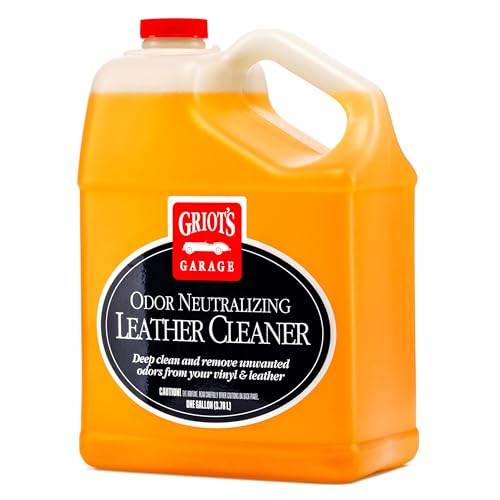
First, I recommend using a mixture of equal parts water and white vinegar in a spray bottle. Lightly mist the surface of the material, ensuring not to soak it. The acidity in vinegar helps to combat undesirable smells effectively.
Next, after applying the vinegar solution, let it sit for 10-15 minutes to allow the natural deodorizing properties to take effect. Following this, use a clean, dry cloth to wipe down the surface and absorb any excess moisture.
For an additional freshness boost, I often sprinkle baking soda on the affected areas and let it sit overnight. This natural absorbent draws out lingering odors, leaving behind a fresher scent.


Regular maintenance is crucial. I recommend placing an open box of baking soda in close proximity to upholstered items to continually absorb any unpleasant smells.
Finally, it’s beneficial to ventilate the space by opening windows or using fans, allowing fresh air to circulate and assist in eliminating residual odors.
Deodorizing Techniques for Leather Seating
Mix equal parts of white vinegar and water in a spray bottle. Lightly mist the surface without saturating it. This solution eliminates unpleasant odors while maintaining the material’s integrity.
Baking Soda Application
Sprinkle baking soda evenly over the seating area and allow it to sit for several hours, or overnight if possible. Vacuum thoroughly afterward to remove the powder and embedded odors.
Essential Oil Infusion
Create a refreshing blend by combining a few drops of your preferred essential oil with a carrier oil. Apply this mixture onto a soft cloth and gently rub it into the surface. Focus on areas that tend to retain scent the most.
Identify the Source of Odors in Leather
First, check for spills or stains. Food, beverages, or oils can penetrate the surface and generate unpleasant scents. Wipe any visible marks with a damp cloth and mild soap.
Inspect Environment
Assess the surrounding area for moisture or mildew. High humidity levels can lead to musty smells. Ensure proper ventilation and consider using a dehumidifier in damp spaces.
Evaluate Usage
Frequent contact can result in a buildup of body oils and sweat over time. Regular cleaning and maintenance are crucial to prevent these from becoming a source of odor. Pay attention to areas with high contact, like armrests and seat cushions.
Gather Necessary Cleaning Supplies
Prepare a mixture of equal parts water and white vinegar in a spray bottle. This natural solution helps in neutralizing unpleasant scents.
Acquisition of a soft microfiber cloth is crucial for gentle wiping without scratching surfaces. Ensure the cloth is clean to avoid transferring dirt.
Have a commercial leather cleaner on hand. Opt for a product specifically designed for treating natural materials to maintain integrity.
Consider baking soda as a powerful odor eliminator. Place it in an open container near the area to absorb unwanted smells.
Gather activated charcoal or odor-absorbing bags, which can effectively trap and neutralize lingering odors over time.
Lastly, keep a small vacuum or handheld upholstery cleaner available for addressing any debris or dirt that might contribute to the issue.
Test Cleaning Solutions on a Small Area
Before applying any cleaning agent to your valuable items, I recommend testing it on a discreet section. This practice helps me avoid potential damage.
Choose a less visible spot, such as the back or underside, and apply a small amount of the solution using a soft cloth. Gently rub the area and observe for any discoloration or adverse reaction.
If the test area remains unaffected after a few minutes, it’s likely safe to proceed. However, if I notice any changes, I adjust my cleaning approach accordingly. This step ensures your cherished possessions retain their appearance.
Always allow for full drying between tests, as moisture can sometimes alter the material’s look. Taking this precaution not only protects the surface but also helps me make informed decisions about the cleaning method.
By testing solutions first, I can confidently tackle odors without compromising the integrity of my items.
Use Baking Soda for Odor Absorption
I prefer using baking soda to tackle unpleasant smells in my upholstered pieces. Sprinkle a generous amount of baking soda over the affected surfaces, ensuring an even distribution. The baking soda works by attracting and neutralizing odors, effectively reducing unwanted scents.
I let the baking soda sit for at least 15 hours or overnight if possible. This duration allows it to fully absorb the odors. After the waiting period, I vacuum the baking soda using an upholstery attachment to remove any residue.
If needed, I repeat the process for stubborn smells. For persistent odors, I often combine the baking soda method with additional cleaning solutions to enhance results. Adjusting the amount of baking soda based on the extent of the smell can also help in achieving desired outcomes.
Apply Vinegar Solution for Disinfecting
I recommend using a vinegar solution to help cleanse and eliminate bacteria from surfaces. Mix equal parts of distilled white vinegar and water in a spray bottle. This natural disinfectant is safe for many materials and can effectively tackle unpleasant smells.
Application Steps:
- Test the solution on a hidden area to ensure it won’t discolor or damage the surface.
- Lightly spritz the mixture onto a microfiber cloth, avoiding oversaturation.
- Wipe the targeted areas gently, ensuring that you do not soak the material.
- For stubborn spots, allow the solution to sit for a few minutes before wiping it away.
Final Touch:
After cleaning, let the area air dry completely. This allows the vinegar smell to dissipate, leaving behind a fresher scent. Applying a conditioner afterward can help maintain suppleness and prevent drying.
Employ Leather Conditioners After Cleaning
After addressing any odors, it’s important to apply a suitable conditioner to maintain suppleness and protect against cracking. I recommend selecting a high-quality product designed specifically for treating hide.
Before application, ensure the surface is completely dry and free from residual cleaning agents. Apply the conditioner using a soft cloth, working in small sections to achieve even coverage.
| Step | Description |
|---|---|
| 1 | Choose a conditioner based on your item’s color and finish. |
| 2 | Test a small hidden area to confirm compatibility. |
| 3 | Use a clean microfiber cloth for application. |
| 4 | Massage the conditioner in gently, allowing it to penetrate. |
| 5 | Buff the surface with a dry cloth after a few minutes to remove excess. |
Repeat this process every few months to keep the surface in optimal condition and extend its lifespan.
Maintain Regular Care to Prevent Future Odors
Establish a consistent maintenance routine to ensure freshness in your cherished items. Clean gently with a soft, damp cloth at least once a month to remove dirt and oils that can lead to unpleasant smells.
- Use a pH-balanced cleaner specifically designed for sensitive surfaces to avoid damage.
- Condition regularly to maintain moisture levels and prevent cracking, ensuring your pieces remain in top shape.
- Adopt a habit of rotating the position of items to promote even exposure to air and sunlight, which helps minimize moisture buildup.
Store in a well-ventilated area. Keep items away from direct sunlight and heating sources, as extreme conditions can contribute to odor retention.
Invest in moisture-absorbing materials, such as silica gel packs, to absorb excess humidity in storage spaces.
- Monitor for any signs of degradation or wear; address issues immediately to prevent odor development.
- Introduce natural air fresheners, such as essential oil diffusers, to enhance the environment and mask any potential scents.
Regular inspections will help catch potential odor sources early. By adhering to a detailed care regimen, refreshment and longevity will follow naturally.


