
 Caleb Turner
Incorporate a single statement piece, such as an oversized artwork or a unique sculpture, to serve as a focal point. This approach not only draws attention but also sets the tone and style for the entire area.
Choose a neutral color palette for walls and larger items; this will help to create a sense of openness and calm. Light hues reflect natural light, making the space feel larger while allowing colorful accents to pop.


Select multifunctional elements, like a coffee table that doubles as storage or a sofa bed for guests. These pieces maximize utility without overwhelming the area.
Introduce layers through textiles. A durable area rug can anchor the space, while throw pillows and a light blanket add warmth and character without crowding. This blend of textures increases visual interest.
Incorporate greenery with potted plants to bring life and freshness. Strategically placed greenery can enhance air quality and add a touch of nature, making the environment feel more inviting.
Incorporate Multi-Functional Elements
I include pieces that serve multiple purposes, such as a coffee table that also provides storage or a sofa bed for guests. This not only saves space but also enriches the ambiance by adding versatility.
Select a Cohesive Color Scheme
I opt for a unified palette that creates an illusion of openness. Light shades such as whites, pastels, and soft grays enhance luminosity. By utilizing a consistent color scheme across walls, textiles, and accessories, I achieve a harmonious feel.
Create Visual Layers
<pI introduce different materials and textures to add depth. A woven throw atop a sleek chair or decorative pillows in varying fabrics can elevate the sensory appeal. This approach prevents starkness and invites a cozy atmosphere.
Add Statement Pieces
I choose a few standout items, like an eye-catching art piece or an oversized plant, to draw attention. Strategically placing these alongside simpler elements avoids clutter while allowing personality to shine.
Utilize Vertical Space
I turn to shelving that extends upward rather than spreading out horizontally. Vertical storage or wall-mounted organizers maintain an airy feel while providing essential storage opportunities, keeping the ground clear.
Incorporate Natural Light
I maximize the use of natural light by keeping window treatments minimal. Using sheer curtains or leaving windows bare can significantly enhance brightness and visual space. This technique creates an airy, inviting atmosphere.
Choose Lightweight, Sleek Designs
I focus on slim, low-profile designs that convey a sense of flexibility. Sleek chairs and narrow tables create an unobtrusive arrangement–making the space appear larger and more inviting.
Selecting a Color Palette for a Spacious Feel
I recommend starting with a light, neutral base, such as soft whites, beiges, or light grays, to enhance the perception of space. These shades reflect light effectively, creating an airy atmosphere.
Layering Accents
Incorporate subtle accent hues through textiles and art. Soft pastels like pale blues or gentle greens can add character without overwhelming. This approach maintains a cohesive look while introducing intriguing visual elements.
Color Balance
Avoid excessively dark shades on large surfaces, as they can shrink visual space. If you choose bolder tones, restrict them to smaller objects or art pieces to maintain balance. Remember, harmonizing warm and cool tones can also provide depth without clutter.
Consider the psychological impact of colors; for instance, blues evoke tranquility, while yellows can brighten and energize a space. Ultimately, the choice should reflect your personal style while ensuring a serene and spacious feel.
Choosing Multifunctional Furniture Pieces
Opt for a sofa bed. This piece transitions from seating to sleeping space, ideal for guests. Look for styles that suit the overall aesthetic while maximizing utility.
Storage Solutions
Consider ottomans or coffee tables that provide hidden storage. They offer a place for blankets, magazines, or games, helping maintain a tidy atmosphere.
Modular Options
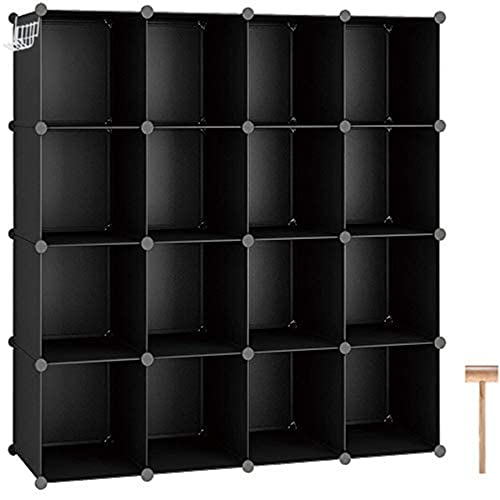
Invest in modular shelving units. These can be customized to fit various spaces, allowing for creative display options or additional organization. Mix and match components to adapt to changing needs.
Incorporating Vertical Space with Wall Decor
Utilizing vertical space enhances the perception of openness and draws the eye upwards. I recommend focusing on a few techniques that elevate your design without overcrowding.
- Gallery Walls: Create an eclectic mix of frames, art pieces, and personal photographs. Vary the sizes and orientations for an artistic flair. Hang them higher to draw attention.
- Floating Shelves: Install shelves to display plants, books, or decorative items. This removes clutter from surfaces while adding dimension. Choose wood or metal finishes that complement your color themes.
- Wall-mounted Lighting: Utilize sconces or LED strips to accentuate decor. This adds warmth and highlights specific areas, creating an inviting atmosphere without consuming floor area.
- Large Mirrors: Position a sizable mirror to reflect light and create an illusion of expanded space. Consider a decorative frame that aligns with your aesthetic for added interest.
- Tapestries or Fabric Hangings: Use soft textures to add warmth without bulk. Position them higher to elongate walls and contribute color or patterns seamlessly.
By strategically placing these elements, I establish a cohesive space that feels both airy and thoughtfully curated, maximizing the potential of vertical surfaces.
Using Lighting to Create Ambiance and Depth
For accentuating space, I focus on layered lighting. This involves combining ambient, task, and accent lights to produce a dynamic atmosphere. I select a primary light source, such as a ceiling fixture or pendant, to provide overall illumination. I also incorporate floor lamps or table lamps at different heights to create warmth and variation.
Incorporating dimmers is a valuable approach. This allows me to adjust brightness according to the time of day or occasion. I prefer soft white bulbs that emit a relaxed glow, reducing harshness and enhancing comfort.
I often use wall sconces to add depth. Positioning these fixtures to highlight artwork or architectural features creates visual interest and draws the eye. I find that strategically placed mirrors amplify natural light and give the illusion of a larger space.
Color temperature matters too. Warm tones promote coziness, while cooler tones can feel invigorating. I balance these temperatures by using a mix of both types of bulbs throughout the area.
| Type of Lighting | Purpose |
|---|---|
| Ambient | Provides overall illumination |
| Task | Focuses on specific activities (reading, working) |
| Accent | Highlights focal points (art, decor) |
Finally, I always consider layering in outdoor light sources. String lights or lanterns on nearby balconies or patios extend the ambiance outside and unify indoor and outdoor settings, enhancing the welcoming feel of the space.
Maximizing Functionality with Smart Layouts
Strategically segmenting the area aids in creating distinct spaces for various activities. I recommend using rugs to delineate zones; this not only adds warmth but also visually organizes the space. For instance, a soft area rug under a table can establish a dining nook, while a separate rug in the corner can define a reading area.
Consider placing larger pieces against the walls to open up the center area. This layout allows for enhanced movement and a feeling of expansiveness. Position seating in a U-shape or L-shape to encourage conversation and connectivity, while still leveraging openness.
Utilizing Multi-Use Surfaces
Integrating surfaces that serve multiple purposes provides added convenience. An extendable table can cater to meals and workspace needs, while a bench can function as extra seating or a stylish storage solution. Choosing ottomans that convert to tables enhances functionality seamlessly.
Creating Visual Flow
Incorporate pathways that facilitate easy navigation and connect various sections harmoniously. Arrange furniture to ensure clear sightlines, promoting a cohesive feel throughout the area. Mirrors can amplify light and create an illusion of space, enhancing the overall flow.
Adding Personal Touches without Clutter
I recommend utilizing a few curated items to express individuality while maintaining a tidy appearance. Start by selecting a statement piece, like an abstract artwork or a unique sculpture, that resonates with your personal style. This creates a focal point without overwhelming the space.
- Opt for framed photographs in simple, matching frames. Create a gallery wall with a few selected images that tell your story, but avoid overcrowding the wall.
- Incorporate a small selection of books displayed neatly on a slim shelf or coffee table. Choose those that reflect your interests, and limit the number to three or four to prevent visual clutter.
- Consider decorative objects made from natural materials, such as wood or stone, which add warmth and texture without being too bold or distracting.
- Utilize indoor plants that are easy to maintain. A couple of well-placed greenery options can enhance the atmosphere while keeping the environment serene.
For a pop of color or texture, use textiles judiciously. A single vibrant cushion or a carefully draped throw can bring life to neutral seating without overwhelming the scene.
Always evaluate the emotional connection to each item. If it holds little significance, it’s better to let it go. This principle not only keeps the area looking spacious but also ensures that everything present contributes to a cohesive narrative.


