
 Caleb Turner

If dust and grime have tarnished your cherished outdoor seating pieces, a systematic approach will breathe new life into them. Gather the following supplies: a soft-bristle brush, mild soap or detergent, a bucket, and a hose with a spray nozzle. With these on hand, you’re ready to restore the appeal of your beloved items in no time.
Begin by gently brushing off loose dirt and debris from the surface. This prevents scratching during the washing process. Prepare a soapy solution in your bucket, then using a soft cloth or sponge, apply it to the surface, making sure to get into any crevices. Rinse thoroughly with water from the hose to eliminate all soap residue.
For stubborn stains or mold, create a paste using baking soda and water. Apply this mixture directly to affected areas and let it sit for about 15 minutes before scrubbing gently. Afterward, rinse well to ensure no baking soda remains. Allow your items to dry completely in sunlight, which also helps to eliminate any remaining moisture.
Regular maintenance will ensure that your outdoor pieces continue to shine. A quick wipe-down after heavy use or rain can go a long way in preserving their condition. With these steps, you can enjoy your outdoor gatherings without worrying about the state of your seating.

Steps for Maintaining Your Outdoor Rattan Seating
Use a mixture of warm water and mild soap for regular upkeep. A soft cloth or a sponge works well to remove dirt and grime without causing damage to the natural fibers.
Deep Cleaning Procedure
For a thorough cleanse, consider the following approach:
| Item | Action |
|---|---|
| Vacuum Cleaner | Utilize an upholstery attachment to eliminate dust and debris between the strands. |
| Soap Solution | Apply your warm water and soap mix, scrubbing lightly with a soft-bristle brush. |
| Rinsing Off | Use a damp cloth to wipe away soap residue, ensuring no moisture is trapped. |
| Drying | Expose the seating to airflow; avoid direct sunlight to prevent fading or warping. |
Spot Treatment for Stains
To handle stubborn marks, apply a paste of baking soda and water directly onto the stain. Let it sit for 10-15 minutes before gently scrubbing and rinsing.
Gather Necessary Cleaning Supplies
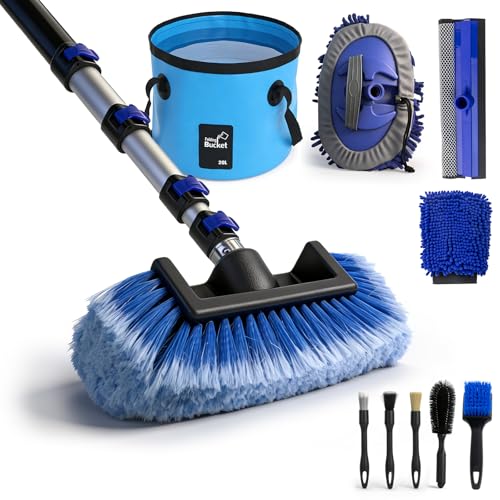
To tackle the task ahead, I assemble the following items: a soft-bristle brush or toothbrush for reaching tight spots, microfiber cloths for gentle wiping, a bucket for mixing solutions, and a garden hose or spray bottle for rinsing. I also ensure to have a mild dish soap or vinegar solution available for effective dirt removal.
An absorbent sponge or cloth helps absorb excess moisture during the process. If there are stubborn stains, I add baking soda or a gentle scrubber to my toolkit. For any remaining debris, a vacuum with a brush attachment works wonders in collecting loose particles without damaging the surface.
Lastly, I keep a pair of gloves handy to protect my hands from any harsh ingredients and wear a mask if working with cleaning solutions to avoid irritation. Gathering the right supplies ensures a smoother and more efficient cleaning session.
Remove Dust and Loose Debris
Begin by using a soft-bristled brush or a handheld vacuum to remove dust and loose particles from the surface of your outdoor seating. Carefully brush between the fibers and crevices to dislodge any trapped dirt. A vacuum attachment with a brush head can effectively gather debris without damaging the material.
Pay attention to corners and edges where dust tends to accumulate. If using a brush, make sure to keep your strokes gentle to avoid fraying or damaging the threads. For larger items, a light dusting with a cloth can assist in pulling away any remaining residue.
| Tool | Usage |
|---|---|
| Soft-bristled brush | Gently sweep surfaces and crevices to remove dust |
| Handheld vacuum | Use with a brush attachment for effective debris removal |
| Microfiber cloth | Lightly dust surfaces for a final touch-up |
After this step, your seating will be ready for a more thorough approach. It’s crucial to ensure all visible debris is removed to prevent it from mixing with any subsequent cleaning solutions.
Choose the Right Cleaning Solution
I recommend opting for a gentle soap mixed with warm water to tackle grime without damaging the surface. Avoid harsh chemicals that can strip finishes or weaken the material.
If stubborn stains persist, a mixture of vinegar and water works effectively, providing antibacterial properties while being environmentally friendly. Ensure the vinegar is diluted, using a 1:1 ratio to prevent any potential discoloration.
For tougher mildew or mold, a solution of bleach and water can be employed, but it’s crucial to test it on a small, inconspicuous area first. Use one part bleach to ten parts water, and always wear gloves and a mask to prevent irritation.
For maintenance, consider a specially formulated spray cleaner designed for similar materials. This can aid in preserving the integrity of the surface while providing a protective barrier against future dirt accumulation.
Test on a Small Area First
Before applying any cleaning solution broadly, I recommend testing it on a small inconspicuous area. This precaution helps ensure that the surface won’t be damaged or discolored.
Follow these steps for an effective test:
- Choose a hidden spot, such as the underside or a less visible section.
- Apply a small amount of the chosen solution using a soft cloth or sponge.
- Wait for a brief period, usually around 10-15 minutes, to observe any reaction.
- Examine the area for discoloration, stickiness, or any deterioration of the material.
- If all appears well, it’s safe to proceed with the cleaning process. If any damage occurs, stop using that solution immediately.
This simple test can save you from potential mishaps, allowing for a safer and more effective approach to maintaining your outdoor seating and decor.
Scrub the Wicker Gently
Using a soft-bristled brush, I carefully work in small sections to avoid damaging the material. A gentle touch is crucial to maintain the structure and appearance of the items.
Here’s a step-by-step approach I follow:
- Dip the brush in the soapy water, ensuring it’s not soaking wet; I aim for a slightly damp bristle.
- Starting at the top, I apply light pressure, allowing the brush to glide over the strands without digging in.
- I focus on crevices and intricate patterns, as dirt tends to accumulate in these areas.
- Occasionally, I rinse the brush to prevent dirt from redistributing over clean areas.
After scrubbing, it’s important to wipe down the surface with a damp cloth to remove any residual soap. Following this, I make sure to let the pieces air dry completely before using them again to avoid moisture buildup.
Rinse and Dry Properly
After scrubbing, I thoroughly rinse the items with a garden hose or a bucket of clean water. It’s crucial to ensure all soap residue is removed, as leftover products can lead to discoloration or damage. I start by directing the water at an angle to avoid forceful sprays that could loosen any remaining parts.
Following rinsing, I carefully inspect for any areas that might still retain dirt. If necessary, I reapply the cleaning solution sparingly, scrub gently, and rinse again. This ensures a thorough cleanse without creating a buildup of moisture.
To dry, I place the pieces in a shaded area rather than direct sunlight, which could warp or fade the materials. I also use soft towels to blot any excess water from crevices. Ensuring everything dries completely helps prevent mold and mildew growth, prolonging the lifespan of these charming outdoor accents.
Finally, I wait a few hours, checking periodically to confirm that no moisture remains, especially in any intricate sections. Once assured, I can confidently set up my outdoor spaces, ready to enjoy. Proper rinsing and drying are pivotal in maintaining both aesthetic and durability.
Apply Protective Treatment
After ensuring your outdoor seating pieces are spotless, it’s crucial to apply a protective coating. I recommend using a specialized spray, designed for natural fibers, which prevents moisture damage and UV fading. Make sure to select a product that is compatible with the material of your items.
Before application, shake the container well and conduct a spot test on a small, inconspicuous area to check for any adverse reactions. Once confirmed, I apply the treatment evenly, holding the spray at a distance of about 6-12 inches to prevent pooling.
After completing the application, allow the items to dry fully in a shaded area. This helps to avoid any potential sun damage while the treatment cures. Reapplying annually or as needed will prolong their life and maintain their aesthetic appeal.
Regular maintenance of this kind ensures continuous protection against the elements, allowing your outdoor spaces to remain inviting and robust for years to come.


