Caleb Turner
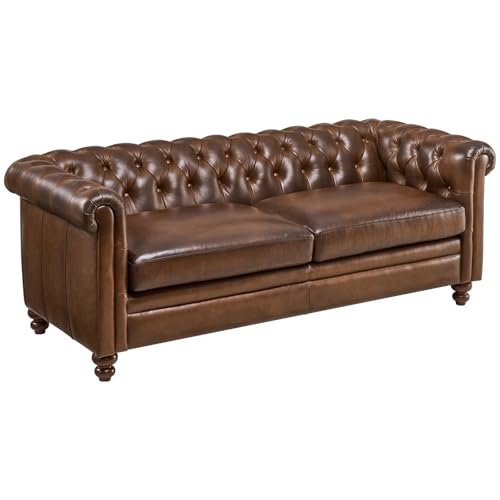
Prioritizing the type of hide is imperative. Full-grain options stand out due to their durability and natural appearance, ensuring longevity. Avoid inferior grades that may peel or wear out quickly.
Evaluate the construction integrity next. Solid frames crafted from hardwoods enhance stability, while high-density foam guarantees comfort and maintains shape over time. Metal components should be durable, offering added sturdiness.
Consider color and finish carefully, as these elements impact the overall aesthetic. Rich tones can add warmth to a room, while treated surfaces can resist stains and maintain their charm with minimal effort.
Finally, don’t overlook the warranty. A comprehensive guarantee reflects confidence from manufacturers regarding their products, providing peace of mind for any unforeseen issues.
How to Select Quality Upholstery
Prioritize material grade. Top grain options indicate higher durability and a more refined appearance, while bonded types might appear budget-friendly but lack longevity. Pay attention to the finishing process as well; a slight sheen usually suggests higher quality.


Inspect seams carefully. Double-stitched seams offer greater strength compared to single-stitched varieties. Ensure that the stitching is even and consistent, as imperfections could signify poor craftsmanship.
Evaluate comfort by testing seating density. Firm cushions that retain their shape over time contribute to a comfortable experience and better support. Consider the fill material–natural down provides luxury, while high-resiliency foam delivers durability.
Consider maintenance requirements. Some surfaces are treated to resist stains, while others may require regular conditioning. Understanding these factors can save time and effort in upkeep.
| Material Type | Durability | Care Requirements |
|---|---|---|
| Top Grain | High | Minimal, easy to clean |
| Bonded | Medium | Moderate, prone to wear |
| Suede | Medium to Low | High, special cleaning needed |
Verify the frame’s construction; solid hardwood is preferable. Avoid particle board or softwood, which can compromise stability. Additionally, check for warranty length–long warranties usually indicate confidence in a product’s longevity.
Understanding Different Types of Leather
Considering the attributes of various hides is essential for making an informed decision. Full-grain material is the highest quality, retaining the natural texture and imperfections, which adds character and durability. It allows the skin to breathe, making it less prone to moisture damage over time.
Top-grain skin is slightly sanded and treated, removing scars and blemishes. This process results in a smoother finish while maintaining the benefits of durability. It’s more stain-resistant but less breathable than full-grain options.
Genuine leather is constructed from the leftover layers after the top layers have been removed. While more affordable, it has a shorter lifespan and is less resistant to wear and tear. Care is necessary to prolong its life.
Suede, created from the inner layer, offers a soft touch but is prone to staining and requires special care. Its luxurious feel makes it appealing for decorative items, but its practicality is limited in high-traffic areas.
Bonded variants consist of scraps glued together, offering a lower price point but lacking the longevity of natural hides. They may be suitable for temporary setups but won’t provide the same quality experience as higher-grade options.
Each type has its own unique appeal, and understanding these categories will aid in selecting the right fit for specific needs and styles. Take into account factors such as maintenance requirements and intended use to make a well-rounded selection.
Assessing the Quality of Leather Materials
Focus on specific characteristics to evaluate material quality:
- Type of Hide: Full-grain represents the highest quality. It retains the natural surface and imperfections, offering durability and uniqueness. Top-grain is a step down but still has a refined appearance, while split or bonded hides are inferior options.
- Finish: Examine the surface treatment. Aniline finishes emphasize the hide’s natural look, while pigmented finishes provide added protection but can look less authentic. Avoid overly processed options that mask the material’s true texture.
- Texture: Run your hand over the surface. High-quality skins feel soft and supple without being overly shiny. A rough texture may indicate inferior material.
- Smell: Genuine leather has a distinct aroma. A synthetic alternative typically lacks this scent. Check for any chemical odors, signaling poor quality.
- Weight: Heavier materials often point towards better construction. Lightweight hides might indicate cheap alternatives.
Reviewing stitching and construction is essential:
- Thread Quality: Strong, thick threads should be present. Loose stitching can lead to premature wear and tear.
- Seam Construction: Double-stitched seams provide added strength. Assess the alignment and uniformity for signs of quality craftsmanship.
Finally, consider the warranty:
- A longer warranty often reflects manufacturer confidence in their product’s durability. Be cautious with brands offering minimal or no warranty.
Knowing the Pros and Cons of Leather Furniture
Understanding the advantages and disadvantages of this upholstery type is crucial for making an informed decision. The key benefits include durability, ease of cleaning, and a luxurious aesthetic. However, certain drawbacks such as temperature sensitivity and potential maintenance challenges cannot be overlooked.
Advantages
| Pros | Description |
|---|---|
| Durability | High-quality pieces can last for decades, aging gracefully over time. |
| Easy to Clean | Most spills can be wiped away without staining, making maintenance straightforward. |
| Timeless Appeal | Provides a classic and elegant look that complements various design styles. |
| Resistant to Allergens | Less likely to harbor dust mites and allergens compared to fabric options. |
Disadvantages
| Cons | Description |
|---|---|
| Temperature Sensitivity | Can become hot in summer and cold in winter, affecting comfort. |
| Higher Initial Cost | Typically more expensive upfront than fabric alternatives. |
| Maintenance Needs | Requires regular conditioning to keep it supple and prevent cracking. |
| Potential for Scratches | More susceptible to scratches from pets and sharp objects. |
Balancing these pros and cons will help in evaluating if this upholstery type aligns with personal needs and lifestyle. Each piece should be chosen with clarity on how it fits into both the aesthetic and functional aspects of a living space.
Evaluating Style and Design Compatibility
Assessing the aesthetic alignment of your chosen pieces with the existing decor is critical. Look for colors and textures that enhance your environment rather than clash with it. Neutral tones like beige or taupe effortlessly integrate with diverse color palettes, while bolder shades such as deep burgundy or forest green can serve as statement accents.
Identify the overall theme of your space. If your home follows a modern minimalist approach, opt for sleek, streamlined designs with clean lines. For a more rustic or traditional vibe, select items with rich, distressed finishes or ornate details. Curved shapes may be suitable for a classic setting while angular forms align with contemporary styles.
Consider the scale of your selections in relation to the room’s dimensions. Larger, bulkier pieces can overwhelm smaller areas, so aim for balanced proportions. Conversely, smaller sections in spacious rooms might easily get lost, necessitating the addition of complementary elements to maintain visual interest.
Pay attention to the arrangement of your products. Creating a harmonious layout enhances functionality and comfort. Ensure there’s adequate space for movement and interaction, allowing your selections to become inviting focal points.
Incorporate personal tastes to ensure the pieces resonate with your style. Mixing different materials, such as wood, metal, or glass, alongside your chosen products can create intriguing contrasts while maintaining cohesion. The goal should be to create an inviting atmosphere that reflects your individuality.
Considering Color and Texture Preferences
Evaluate your existing decor to determine a color palette that complements your space. Neutral shades like beige, brown, or gray provide versatility, while bold hues can create a statement. When selecting a tint, consider natural lighting; spaces with ample sunlight may benefit from cooler tones, whereas darker areas can be enhanced with warmer shades.
Texture Impact
Different surface finishes contribute significantly to the overall aesthetic. Smooth, glossy textures offer a modern appeal, while matte finishes convey a more casual vibe. Select a texture that aligns with your style–distressed or vintage looks resonate well in rustic settings, while sleek and polished choices suit contemporary interiors.
Personal Touch
Integrating personal preferences is key. Sample swatches in your environment to ensure hues and textures harmonize with your furnishings. Consider practicality; sleek surfaces might show marks, while textured options can mask wear over time. Ultimately, find a balance that reflects your style without compromising functionality.
Measuring Space and Dimensions for Placement
Accurate measurements are crucial for ensuring a perfect fit for your selected items. Begin by measuring the length, width, and height of the intended area. Take note of doors, windows, and any architectural features that may influence placement.
Steps to Measure Your Space
- Use a tape measure to obtain the dimensions of the room.
- Record distances between walls and from corners to doors and windows.
- Consider the flow of traffic; ensure pathways remain unobstructed.
Determining the Size of Your Pieces
Once the area is measured, account for the dimensions of each piece. Here’s how:
- Check manufacturer specifications for length, width, and height.
- Visualize or mark the space each item will occupy using tape on the floor.
- Allow for additional space to facilitate comfort and accessibility.
Keep in mind that oversized pieces can overwhelm a smaller room, while too small options may appear lost in a larger setting. Ensure that the overall design feels harmonious by balancing size and layout.
Setting a Budget for Leather Goods
First, determine the maximum amount I am willing to allocate for this purchase. High-quality options typically range from $1,500 to $3,000 for larger pieces, while more affordable alternatives can be found starting around $800. It’s essential to base my budget on size, type of material, and craftsmanship.
Next, I should consider my long-term investment. Authentic pieces may require a higher initial expense, but they often prove more durable and easier to maintain over time, reducing overall replacement costs. Meanwhile, synthetics offer lower upfront costs but might not provide the same lifespan.
Additionally, I can explore financing options. Many retailers provide payment plans that can make higher-end items more accessible without straining my finances. Understanding any added interest rates or fees is crucial before committing.
Finally, it’s wise to set aside 10-20% of the budget for accessories or maintenance products. This ensures I’ll have what I need to care for my investment properly, preserving both its appearance and functionality over the years.
Researching Brands and Manufacturers
Identify reputable companies that specialize in making high-quality seating and upholstery items. Reading reviews from past customers can provide insights into durability and comfort levels.
Key Attributes to Examine
- Reputation: Look for brands with a long-standing history in the market; this usually indicates reliability and expertise.
- Manufacturing Practices: Investigate where and how products are made. Ethical sourcing and sustainable practices are increasingly valued.
- Warranty and Service: A solid warranty can reflect confidence in their product’s longevity. Check if customer service is responsive and helpful.
Explore Customer Feedback
Consider examining consumer forums, social media, and dedicated review sites. Pay attention to comments regarding the longevity, comfort, and maintenance of the products. Take note of recurring praises or issues that could influence your decision.
Consult with friends or family who have experience with specific brands. Personal recommendations can be invaluable in narrowing down your options and discovering hidden gems.
Attending furniture expos or showrooms allows firsthand interaction with pieces, giving a tactile understanding of what different manufacturers offer. Mark any standout brands for further exploration.
Checking Warranty and Care Instructions
I prioritize reviewing the warranty details before making a purchase. A solid warranty typically covers manufacturing defects and often spans several years. On occasion, brands may offer extended warranties for an extra cost, which can be beneficial for long-term investments. Always verify what is excluded from the warranty, such as damage due to neglect or misuse.
Understanding Care Recommendations
I find that proper maintenance is vital for longevity. Most manufacturers provide specific care guidelines that may include using special cleaners or conditioners to maintain the surface. Adhering to these instructions not only preserves the appearance but can also influence warranty validity. It’s wise to ask about recommended products during the shopping experience.
Inquiring About Repair Options
<p Knowing how to handle potential damage is equally essential. Some companies offer repair services or can direct you to partners who specialize in this area. Inquiring this aspect can save time and money in case of scratches or wear. Always be aware of how repairs might affect the warranty coverage to avoid unexpected costs.