Caleb Turner
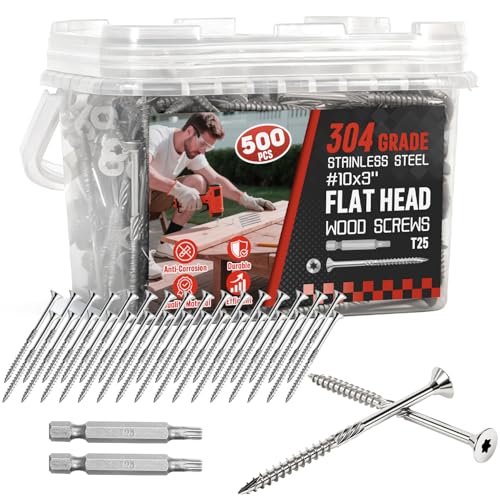
The first step is to select the right materials for your project. I recommend using weather-resistant wood such as cedar or redwood. They provide durability and withstand the elements, ensuring longevity. Consider using stainless steel screws for assembly, as they resist rust and corrosion.
Next, measure the space where you intend to place your seating. Having precise dimensions will guide you in creating a comfortable and functional piece. I like to sketch a simple design to visualize the final result and make necessary adjustments before I begin cutting any materials.
When it comes to assembly, taking your time with each connection enhances stability. I often start with the frame, securing each joint firmly. Once the base is complete, I add in the seating areas, ensuring they are comfortable and properly supported. Testing for sturdiness after each major step helps me avoid potential issues at the end.

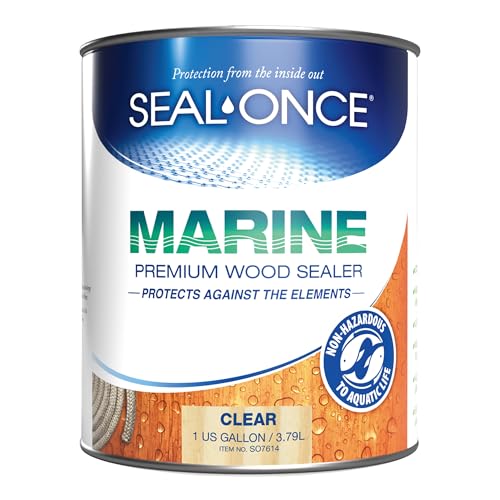

Finishing touches are where I let creativity shine. Applying a weatherproof sealant not only protects the wood but also enhances its appearance. You can paint or stain according to your personal style, offering an inviting look to your outdoor space. Always allow sufficient drying time to maintain a quality finish.
Essential Materials for Outdoor Seating
Choose high-quality rot-resistant wood such as redwood or cedar for durability and stability. For a budget-friendly option, consider pressure-treated pine, ensuring proper sealing to extend its lifespan.
Use stainless steel screws and brackets to prevent rust and corrosion, enhancing structural integrity. A weather-resistant wood finish will guard against moisture and UV damage, preserving aesthetics and functionality.
Incorporate comfortable cushions made from outdoor-grade fabric. Opt for materials designed to resist mold and fading, ensuring long-lasting comfort. Invest in fast-drying foam for added convenience.
Additionally, consider adding metal components for a modern touch. Aluminum frames provide lightweight yet sturdy support, and powder-coated finishes can resist chipping and peeling.
Selecting the Right Materials for Outdoor Seating
Opt for weather-resistant materials. Aluminum and teak are prime choices due to their durability and resistance to decay. Consider using treated wood, which withstands the elements better than untreated varieties.
Types of Materials
- Aluminum: Lightweight and rust-proof, perfect for fabricating frames.
- Teak: This hardwood contains natural oils that repel water, making it ideal for outdoor conditions.
- Plastic Lumber: Recycled options provide a sustainable choice that mimics the look of wood without the maintenance.
- Cedar: Naturally resistant to insects and rot, it also offers a pleasant aroma.
Finishing Touches
Sealers and finishes can extend the lifespan of wooden pieces. Look for UV-resistant products to prevent fading. For metal, a powder-coated finish adds an extra layer of protection against scratches and rust.
- Sealants: Apply every couple of years to maintain aesthetics and durability.
- Paint: Use exterior-grade paint for metal surfaces; ensure it’s designed for outdoor use.
Ultimately, the right choice enhances longevity and overall enjoyment of your outdoor pieces.
Tools You Need for Creating Outdoor Seating
Always have a good-quality circular saw on hand for making precise cuts. A miter saw can also be useful for angles and crosscuts. A drill is essential for making pilot holes and driving screws; a cordless model offers flexibility. Invest in a jigsaw for intricate shapes and a sander to smooth surfaces, ensuring comfort and longevity.
Hand Tools
Include a hammer for assembly, a tape measure for accurate measurements, and a square for right angles. A level ensures everything is aligned properly. Keep a set of clamps handy to hold pieces together while they set. A utility knife will help trim excess materials.
Safety Equipment
Protective eyewear is necessary to shield your eyes from debris. Ear protection can guard against noise from power tools. Always use gloves to protect your hands, especially when handling wood with sharp edges or splinters.
Designing Your Outdoor Seating Arrangement
Begin with a clear vision of how space will be used. I suggest mapping out areas for dining, lounging, and socializing. Consider creating distinct zones to enhance functionality.
Measurements and Spacing
Accurate measurements are crucial. Take into account the dimensions of your selected pieces and the available area. Aim for:
- At least 24 inches of space for dining seating.
- 12-18 inches between tables and seating for optimal movement.
- A minimum of 36 inches of walkway to allow for easy access.
Consider using stakes or ropes to visualize the layout before finalizing it. This technique helps in ensuring the placement feels right within the environment.
Furniture Arrangement Tips
- Create a focal point, like a fire pit or a beautiful plant, to draw attention.
- Optimize seating with arrangements that encourage conversation, such as circular or U-shaped seating.
- Incorporate shading options, like umbrellas or pergolas, to enhance comfort during sunny days.
Evaluate flow and accessibility–ensuring people can comfortably move without obstruction enhances the overall experience. Balance comfort with style to create an inviting atmosphere.
Step-by-Step Guide to Building a Wooden Chair
Select quality timber such as cedar or redwood for durability and resistance to the elements. Begin by gathering the necessary pieces: four legs, a seat, a backrest, and side supports. Standard dimensions include 2×4 inches for legs and 1×4 inches for the seat. Measure and cut the wood accurately to achieve stability.
Assembly Process
Join the legs to the seat using wood screws and corner brackets for enhanced strength. Position the legs about 2 inches from the edge of the seat. This creates a sturdy base. For the backrest, attach it to the rear legs, angling it for comfort, typically around 15-20 degrees from vertical.
Finishing Touches
Sand all surfaces to eliminate splinters and ensure a smooth finish. Apply a weatherproof stain or sealant to protect against moisture and UV damage. Let it dry completely before using. Regular maintenance will extend its life, keeping it looking fresh over time.
Constructing a Simple Picnic Table
Select pressure-treated lumber for durability against the elements. I prefer using 2×4 planks for the tabletop and benches, while 4×4 posts serve well for the legs and support beams.
Begin with a rectangular tabletop. Measure and cut four 2×4 boards to 6 feet for the length and two more to 3 feet for the width. Assemble them parallel, leaving a 1-inch gap between each board for water drainage.
Secure the tabletop boards using wood screws, drill pilot holes to prevent splitting. Use brackets underneath for added stability if desired.
For the legs, cut four pieces of 4×4 to 30 inches in length. Attach them at a 90-degree angle to the corners of the tabletop with screws, ensuring they are evenly spaced.
Install two support beams from leg to leg along the length of the table, each measuring 5 feet. This adds strength and eliminates wobbling.
Next, create the seating. Cut two more 2×4 boards to 6 feet and attach to each side underneath the tabletop as supports for the benches. Cut another two 2x4s to 5 feet for each seat, attaching them to the support beams at a height of approximately 18 inches from the ground.
Complete the project by sanding all surfaces to eliminate sharp edges and applying an outdoor wood finish for added protection. Regular maintenance with sealant extends the life of the construction.
Finishing Techniques for Weatherproofing Outdoor Seating
I recommend using a high-quality sealant or wood preservative specifically designed to withstand moisture and UV rays. Look for products labeled as water-repellent, which can penetrate the wood and create a barrier against the elements.
After sanding the surface smooth, apply a penetrating oil treatment or spar urethane in thin, even layers. Allow adequate drying time between coats, typically 24 hours, to ensure proper adhesion and durability. Aim for at least two to three coats for optimal protection.
For painted surfaces, choose exterior-grade paint with built-in UV protection. Fiberglass or epoxy paint can also be used for its superior durability and resistance to peeling. Apply primer first to improve adhesion, followed by at least two coats of paint.
Regular maintenance is crucial. Examine your pieces periodically for signs of wear, such as cracking or fading. Reapply the sealant or paint as necessary, particularly after the first year of exposure to outdoor conditions.
Finally, consider using covers during off-seasons or inclement weather. This additional layer of protection will help extend the life of your seating and maintain its appearance.
Adding Cushions and Fabrics for Comfort
Choose outdoor-grade materials for cushions. Look for water-resistant fabrics that prevent mold and fading. Polyester and acrylic are popular options due to their durability and ease of cleaning.
Filling Options
Select high-density foam for cushioning, ensuring both support and comfort. Closed-cell foam repels moisture and dries quickly. Alternative options include polyester fiberfill, which offers a softer feel but may not be as resilient over time.
Customizing Covers
Create removable covers for easy cleaning. Use a zipper closure or Velcro to secure them. Custom patterns and colors can match your existing color scheme, enhancing the overall look. Double-stitch seams for added durability and consider using piping for a polished finish.
For a cozy touch, consider adding throw pillows in coordinating colors. These can help break up larger sections and add visual interest. Ensure all materials are suitable for outdoor use, prioritizing longevity and maintenance ease.
Maintenance Tips for Longevity of Outdoor Seating
Regular cleaning is key. I use a mild soap solution and a soft cloth to wipe down surfaces every few weeks to remove dirt and grime. For deeper cleaning, a gentle power wash can be effective, but I keep the nozzle at a distance to prevent damage.
Inspect connections and joints frequently. I tighten screws and bolts as needed to maintain stability and prevent wobbling. It’s wise to keep an eye out for rust on metal parts; I treat any spots promptly with rust-inhibiting paint.
Weather protection extends the life of my pieces. I apply a protective sealant to wooden items before the rainy season to guard against moisture. For metal, I use a rust-resistant spray to create a barrier against the elements.
During the off-season, I store items in a dry, sheltered location. If indoor storage isn’t possible, I cover everything with breathable tarps to prevent moisture buildup. Cushions and fabrics should be stored indoors to avoid fading and mildew.
Routine inspections for wear and tear are beneficial. I check for splinters on wood surfaces, frayed edges on cushions, and any signs of material degradation. Addressing these issues early prevents more significant repairs later.
Lastly, I rotate cushions regularly to ensure even wear and tear. This simple step keeps them looking fresh and extends their lifespan significantly.
Where to Position Your Outdoor Seating for Maximum Enjoyment
Situate your seating on a level surface that provides stability. Avoid areas prone to pooling water after rainfall by choosing slightly elevated spots. Ensure nearby trees provide shade without obstructing views or creating excessive debris.
For optimal relaxation, survey your surroundings. Place seating where it faces the most appealing aspects of your garden or yard, such as flowering bushes, a pond, or decorative features. This approach enhances the overall aesthetic experience.
Incorporate windbreaks, like hedges or fences, to shield from strong gusts, particularly if your outdoor space is exposed. Arrange seating groups to promote conversations, allowing chairs to face each other while maintaining a comfortable distance.
Consider proximity to amenities like the grill or patio doors. Keeping seating within a reasonable range of food and refreshment sources minimizes inconvenience during gatherings and enhances social interactions.
Pay attention to sunlight. If enjoying morning coffee is a priority, position your seating to catch the early rays. For afternoon relaxation, however, seek areas with shade to avoid heat discomfort. Alternating spots throughout the day can also be beneficial.
| Time of Day | Recommended Position |
|---|---|
| Morning | Sunny area for warm, bright ambiance |
| Afternoon | Shaded space to escape heat |
| Evening | Open view for enjoying sunsets |
Evaluate visibility to and from the house. If children or pets are part of the equation, positioning closer to the entrance allows easy monitoring while permitting participation in outdoor leisure.
Lastly, don’t neglect the ground cover. Setting furniture on grass or uneven terrain can lead to instability. Consider using patio stones or decking for a polished, stable foundation that elevates your overall enjoyment.