Caleb Turner
To achieve a stunning, deep finish on your items, begin with thorough preparation. Clean the surfaces with a mixture of soap and water to remove dust and grease. Once dried, lightly sand the wood to create a smooth base that allows better absorption of the stain.
After prepping, select a high-quality dark tinting agent designed for wood. Apply the stain with a brush or cloth, ensuring even coverage. I prefer using a natural bristle brush for precise application and avoiding streaks. Allow the stain to sit for a few minutes before wiping off the excess to reach your desired shade.
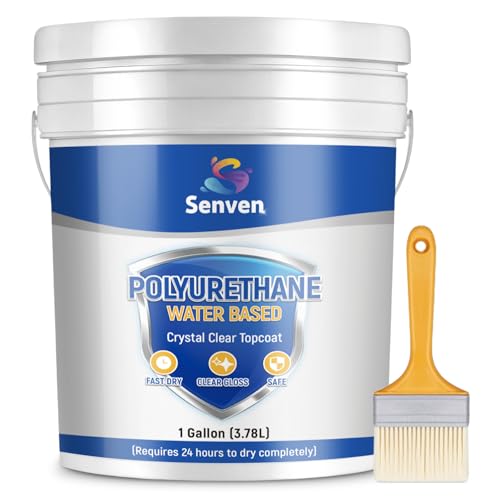
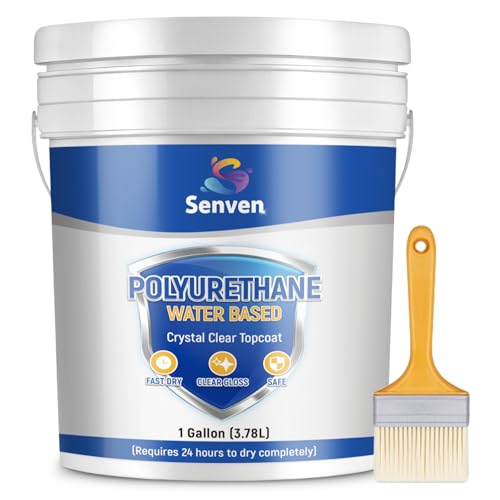
Once that layer is dry, consider sealing the surface with a clear protective coat to enhance durability. This step will not only protect the shade but will also give a polished look. I often use a water-based polyurethane for ease of application and quick drying times.
Applying a Dark Stain to Surfaces
Begin with a clean and sanded surface to ensure proper adhesion. Choose a deep-toned water-based or oil-based stain. For water-based options, I typically prefer the convenience of easy cleaning and quick drying time. Oil-based variants provide rich colors and a longer finish time, which allows for better blending during application.
Materials Needed
Prepare the following items:


- Sandpaper (varying grits: 120, 220)
- Cloth or brush for application
- Gloves and mask for protection
- Sealer or topcoat
Application Process
After sanding, wipe down the piece to remove dust. Apply the dark stain using a brush or cloth in the direction of the grain. Allow it to penetrate for a few minutes, then wipe off excess with a clean cloth to achieve the desired intensity.
| Step | Description |
|---|---|
| 1 | Smooth surface preparation |
| 2 | Choose preferred tint |
| 3 | Application technique |
| 4 | Dry time before sealing |
Complete the process by letting the stain dry fully, usually 24 hours, before applying a protective sealer to enhance durability and wear resistance.
Selecting the Right Wood for Black Washing
Begin with softwoods like pine or fir. These types readily absorb finishes, allowing for an easier application and an even look. Their natural grain offers a stunning backdrop when dressed in darker tones.
Hardwoods, such as oak or maple, provide durability. With a denser structure, they may need a more diluted mixture to prevent an overly dark or uneven finish. If I choose hardwood, I often incorporate a sanding technique to enhance grain visibility.
The grain pattern significantly affects the final appearance. A pronounced grain, seen in species like ash, can produce a striking contrast. On the other hand, a finer grain, such as in birch, yields subtler results.
Moisture content is essential; selecting properly dried wood prevents warping and ensures the surface takes the finish evenly. Always check the wood’s moisture level before starting.
If I want to create a distressed look, reclaimed wood is an excellent candidate. Its pre-existing imperfections add character, making imperfections less noticeable under a dark finish.
Finally, test your mixture on a scrap piece before applying it to your main project. This allows me to adjust the ratio and technique, ensuring satisfaction with the end result.
Preparing the Surface for Optimal Results
Begin with a thorough cleaning of the piece. I use a mixture of warm water and mild soap to remove dirt and grease. Afterward, I ensure the surface dries completely to prevent any moisture interference with the next steps.
Sanding
I always recommend sanding the piece lightly to create a smooth base. I opt for 120-grit sandpaper for the initial pass, followed by 220-grit for a finer finish. This process not only removes imperfections but also opens up the grain of the wood, allowing the stain to penetrate more effectively.
Sealing
After sanding, I apply a wood conditioner or sealer. This step is particularly important for softer woods, as it helps achieve a more uniform color when the finishing products are applied. I allow the conditioner to soak in according to the manufacturer’s instructions before proceeding to the next stage.
By meticulously preparing the surface, I ensure that the final result appears polished and professionally finished.
Choosing the Best Black Wash Products
I recommend using organic, water-based stains for achieving a deep, rich tone without overwhelming the natural beauty of the wood. Look for products specifically labeled for interior use to ensure they are suitable for indoor environments.
Consider brands like Minwax and Varathane, as they offer a wide range of shades and finishes. Their formulations allow for easy application and excellent penetration into the wood grain.
For a matte finish, I suggest using matte polyurethane topcoats that add protection without shine, which can enhance the rustic appearance I often aim for.
A test sample is crucial. I always recommend trying the stain on an inconspicuous area or scrap wood to see how it interacts with the specific type of timber being treated.
Lastly, check the product’s drying time and cleanup procedure. Fast-drying options can save time, while those that clean with soap and water simplify the process. Ensure the chosen stain meets your desired color tone and finish preference.
Mixing the Perfect Black Wash Solution
For an ideal dilution, combine one part paint with one part water. If a more translucent appearance is desired, increase the water proportion slightly. For deeper effects, adjust the paint component upward. Always test the mixture on a scrap piece of wood to ensure the color meets expectations.
Choosing the Right Paint
Select a high-quality acrylic or latex paint, as these provide better adhesion and durability. Avoid oil-based paints for this method, as they may not wash out well. A matte finish will yield the best results, allowing for a soft, subdued look.
Tweaking the Consistency
If the mixture appears too thick, dilute with additional water until reaching the desired flow for application. A whisk or stick can aid in achieving a uniform blend. Remember to remix occasionally while working to prevent separation.
Applying the Black Wash Technique
Begin by applying your prepared solution in a well-ventilated area. Use a clean brush or cloth to work the mixture into the wood grain. If brushing, employ long, even strokes to avoid unsightly streaks. For cloth application, use a circular motion to ensure an even coating.
Layering the Mixture
Work in sections, allowing each to dry slightly before moving on. For deeper tones, consider adding additional layers. Once satisfied with the darkness, let it dry completely. This will reveal the final appearance and determine if more layers are needed for your desired finish.
Finishing Touches
After achieving the perfect depth of color, seal the surface using a clear coat. This protects the finish and enhances durability. Options range from matte to glossy, depending on your preference. Utilize a soft brush or roller to apply the sealant for a smooth, polished look.
Creating Texture with Brush Techniques
To achieve a rich feel on your project, focus on varying your brush techniques. I’m fond of using a dry brush method, where I lightly load the bristles and sweep across the surface. This technique allows the underlying grain to show through, creating depth.
Another effective approach is the dabbing technique. By using a stippling brush or a sea sponge, I apply the mixture with a gentle tapping motion. This adds an organic, textured appearance that enhances the character of the wood.
For those areas where I want more definition, I layer the application. Starting with a base coat, I let it dry completely before adding additional coats. This layering builds texture, creating a more complex look that draws the eye.
Don’t shy away from experimentation. I often switch between brushes–flat, round, or even fan brushes–to see how each affects the finish. A fan brush, for instance, can create a feathery texture that softens edges and gives a unique finish.
Completing the process with a light sanding between coats can enhance the tactile feel, allowing the finish to settle into the fibers without losing texture. Gentle sanding refines the surface while still allowing the intricate patterns to shine.
Sealing and Protecting Your Finished Pieces
Choosing the right sealant can significantly enhance durability and appearance. I recommend using a polyurethane or polycrylic finish. These products provide a tough, protective layer, ensuring that your newly transformed items withstand daily wear and tear.
To apply the sealant:
- Ensure the surface is clean and free of dust.
- Use a high-quality brush or foam applicator for an even layer.
- Apply the sealant in thin, even coats, allowing adequate drying time between applications.
- Sand lightly with fine-grit sandpaper after each coat for a smoother finish.
- Typically, two to three coats are sufficient for optimal protection.
In humid environments, a drying oil like tung oil can offer a natural finish while providing moisture resistance. To use this, apply a thin layer and wipe away the excess, letting it cure before using the item.
After sealing, consider periodic maintenance. Use a soft, damp cloth to clean surfaces to avoid damage. Reapply your chosen sealant every few years to keep things looking fresh and well-protected.
Protective pads or felt can help reduce scratches on the bottom of your pieces, particularly if they’re part of a heavy traffic area. This small addition can extend the life of your work significantly.
Maintaining Your Black Washed Creations
Regular maintenance is vital for preserving the unique appearance of your newly refinished pieces. Follow these steps for optimal care.
Cleaning Techniques
- Use a soft, damp cloth to wipe down surfaces, avoiding harsh chemicals that can strip the finish.
- For stubborn spots, a mixture of mild soap and water will suffice–apply it gently, then dry immediately.
Routine Care
- Dust regularly with a microfiber cloth to prevent buildup that can dull the surface.
- Apply a high-quality wax or furniture polish every few months to enhance and protect the finish.
- Inspect for scratches or dull areas, immediately repairing them with appropriate touch-up products.
Maintaining the integrity of your pieces will ensure they stay beautiful and functional for years to come. Being proactive in care and addressing small issues promptly will go a long way in extending the life of these items.