Caleb Turner

Place a sleek sofa against the longest wall to create an open pathway. This arrangement allows easy movement and visually expands the space. Incorporate a multifunctional coffee table that can serve as storage, optimizing the area without overcrowding.
Opt for lighter shades on walls and larger pieces to enhance brightness. A mirror on the opposite wall will reflect light, generating an illusion of depth. Additionally, placing tall plants in corners breathes life into the environment while drawing the eye upward, creating the impression of higher ceilings.
Utilize vertical space with shelving units that reach towards the ceiling. These can hold books and decorative items, helping to de-clutter surfaces and maintain a tidy appearance. Lastly, consider foldable or stackable seating options for when guests arrive, ensuring comfort without sacrificing precious square footage.
Optimal Layout for a Cozy Gathering Space
Begin with a central seating arrangement that promotes conversation. Place a couch against the longest wall to maximize floor space. Use a pair of accent chairs opposite the couch to create an inviting dialogue area.


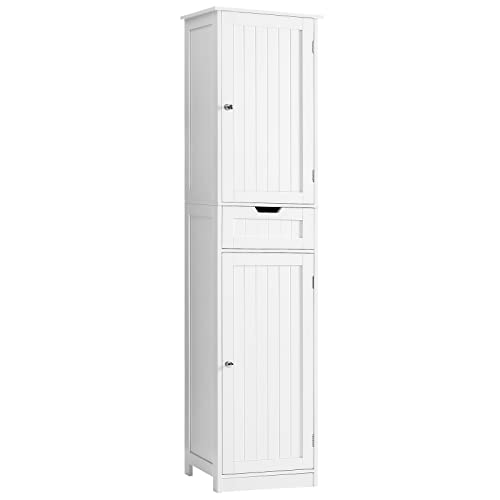
Utilizing Vertical Space
- Incorporate shelves above eye level to display books or decor.
- Employ tall cabinets for storage, ensuring the footprint remains small.
- Choose wall-mounted lighting to free up surface area while providing illumination.
Multifunctional Pieces
- Select a coffee table with storage capabilities.
- Consider ottomans that serve as seating and can be tucked away easily.
- Opt for a sofa bed for accommodating guests without sacrificing space.
Keep pathways clear by maintaining at least 18 inches of room to walk between pieces. Regularly reassess the layout to accommodate changing needs or preferences. This adaptability enhances the comfort and functionality of the area.
Choosing the Right Furniture Scale for Small Spaces
Prioritize pieces that don’t overwhelm the environment. Opt for designs with slim profiles, avoiding bulky selections. Look for multi-functional options like ottomans with storage or coffee tables that convert into dining surfaces.
Measure Before You Buy
Always take precise measurements of the area where you plan to place items. Leaving enough space for movement is critical, so adhere to a guideline of at least 30 inches around key pathways. This allows for comfort and ease of access.
Focus on Proportions
Choose décor that matches the dimensions of your space. For instance, a low-profile sofa can create an illusion of height and openness. Lighter colors tend to enhance a sense of airiness, thus expanding visual space. Consider transparent materials like acrylic or glass for tables; they provide functionality without adding bulk.
By selecting appropriate scales and styles, it’s feasible to create a harmonious environment that feels spacious and inviting.
Utilizing Multi-Functional Furniture Pieces
Opt for a sofa bed to maximize both comfort during the day and an extra sleeping space at night. This type of seating allows you to host guests without sacrificing precious floor area.
Consider ottomans with hidden storage. Each piece can serve as a footrest while providing a discrete place to store blankets or magazines, minimizing clutter.
A foldable dining table can be an excellent solution. By choosing one that can expand when needed, I can conserve space while still having room for meals with friends or family.
Invest in nesting tables. These are versatile and can be easily moved or stacked according to the occasion, offering both functionality and aesthetic appeal without dominating the space.
Bookshelves that double as room dividers are another wise choice. They create separate areas within a larger space while showcasing my favorite books and decorative items.
Wall-mounted desks can also be advantageous. By folding down, they provide the functionality of a workspace without the bulk of a traditional desk, perfect for those with limited area.
Choose a combination of chairs with storage options, like those that open up for hidden compartments. They serve dual purposes, making them ideal for tight confines.
By integrating these multi-functional pieces, I can create a well-organized and stylish environment that meets all my needs without crowding the area.
Creating a Focal Point with Your Arrangement
Begin by identifying a central feature that draws attention, such as a piece of art, a bold-colored sofa, or an entertainment unit. Position seating around this element to guide the eye and create an inviting atmosphere. For example, if I opt for a striking painting, I’ll ensure that the seating is oriented toward it, allowing that artwork to become the conversation starter.
Utilizing Visual Weight
Select items that bring a sense of balance to the space. A robust coffee table can anchor lighter seating arrangements, while tall plants or shelves can add height and interest. I often arrange lower-profile pieces alongside taller elements to enhance visual dynamics, ensuring nothing feels overcrowded.
Playing with Scale and Proportions
Choose items that complement each other in size. An oversized couch might require smaller accent chairs or poufs to avoid overwhelming the setting. By carefully selecting these proportions, I create a harmony that maintains an open feel, even in tighter spaces. Accessories like decorative pillows can further elevate focal points and add layers without overcrowding.
Incorporating Vertical Storage Solutions
Utilizing wall space transforms how I manage belongings in compact areas. Floor-to-ceiling shelves provide ample storage for books, decor, and more while drawing the eye upward, creating a sense of openness.
In my experience, here are specific methods to enhance vertical storage:
- Wall-mounted shelving: Install adjustable shelves to accommodate various items. This flexibility allows me to customize the layout according to my needs.
- Vertical cabinets: Opt for tall, narrow cabinetry rather than wide units. This minimizes floor space while maximizing storage capacity.
- Hook systems: Use hooks or pegboards for hanging items such as bags, jackets, or pots and pans. This frees up surface areas and adds personality.
- Over-the-door organizers: These are perfect for utilizing doors as additional storage. I appreciate their convenience for quick access to frequently used items.
- Floating shelves: Ideal for displaying decorative objects without consuming space, floating shelves can transform a plain wall into a stylish feature.
Combining these vertical elements creates a functional and visually appealing organization. By focusing on upward storage, I find more space remains available for daily activities and movement. Each solution not only enhances storage capacity but also contributes to a more inviting atmosphere.
Arranging for Traffic Flow and Accessibility
Ensure pathways are clear by maintaining a minimum of 24 to 36 inches between pieces. This distance allows effortless movement throughout the space, preventing congestion. When I position my seating, I prefer to angle chairs toward each other, fostering conversation without blocking traffic routes.
Identifying Key Walkways
Identify major routes for movement based on daily activities. Focus on high-traffic areas, such as entries, and keep them clear. I often use rugs to define seating areas while ensuring they don’t obstruct passageways. Position furniture perpendicular to these paths allows for natural navigation.
Table Planning for Accessibility
When incorporating tables, I recommend a distance of at least 18 inches from the seating for easy access. Here’s a simple table to visualize spacing suggestions:
| Furniture Type | Recommended Distance |
|---|---|
| Chair to Table | 18 inches |
| Seating Area to Pathway | 24-36 inches |
| Coffee Table to Seating | 14-18 inches |
Maintain a balance between aesthetics and functionality. By prioritizing accessibility, I create a welcoming environment that encourages movement and interaction among occupants, enhancing the overall experience.
Using Area Rugs to Define Spaces
Positioning area rugs can significantly impact the layout and feel of your interior. I choose a rug that fits each designated area, ensuring it’s large enough to contain the front legs of all key pieces. This technique helps create the illusion of separate zones, even in tight quarters.
Selecting the Right Size
Opt for a size that complements your arrangement. A too-small rug can make the space appear disjointed. For instance, if a seating area includes a sofa and chairs, select a rug that extends beyond the furniture, creating a unified look. This approach visually ties elements together while preserving openness.
<h3.Color and Pattern Choices
The color and design can delineate areas effectively. I prefer lighter shades in darker spaces to make them feel more expansive, while bolder patterns can add character without overwhelming. Layering rugs also diversifies texture and color, enhancing depth. Choose rugs that reflect your style but also contribute to a harmonious flow throughout the area.
Incorporating Light and Mirrors for Spatial Illusion
Utilize large mirrors strategically to create an illusion of depth and width. Position them opposite windows or light sources to reflect natural light, enhancing brightness. If possible, select mirrors with decorative frames that complement your design while avoiding heavy looks that may clutter the space.
Consider employing light-colored curtains or shades that allow maximum daylight penetration, contributing to a sense of openness. Soft, sheer fabrics work well, allowing for gentle diffusion of sunlight throughout the area.
For artificial lighting, install wall sconces or recessed lighting to free up floor space. Use dimmable bulbs to adjust brightness levels depending on the time of day and your mood. Accent lighting can also highlight artwork or special décor, adding character without overwhelming the area.
Incorporate glass or acrylic elements in tables or shelves to maintain an airy feel. The transparency of these materials allows for unobstructed views, giving the illusion of more space while still serving practical purposes.
Finally, be mindful of the color palette. Lighter hues for walls, furniture, and flooring can amplify light levels and contribute to an open atmosphere. Aim for a cohesive color scheme that enhances the reflective qualities of your mirrors and lighting.
Optimizing Corner Spaces for Maximum Usability
Utilizing corner areas is a smart way to enhance efficiency. I focus on two main strategies: furniture selection and clever placement.
For furniture pieces, I select corner sofas or sectional seating that maximizes seating without overpowering the space. These options create a cozy nook while leaving ample room for movement.
In corners, I incorporate shelving units that reach upwards, freeing floor space. Floating shelves are also excellent; they provide display and storage without encroaching on usable area.
To create privacy or a sense of intimacy, I use tall plants or room dividers in corners. These elements add interest while defining the area.
Implementing a corner desk is another tactic. It takes advantage of often-unused areas, allowing for a compact workspace.
For decorative touches, consider mirrors in corners to reflect light and give the illusion of more space, making the area feel welcoming.
Lastly, rugs can delineate and anchor corner seating, enhancing coziness while defining the area visually.
Personalizing the Space While Keeping It Open
Incorporate personal elements through artwork and accessories. Select pieces that resonate with your identity, such as framed photos, favorite books, or intriguing sculptures. Arrange these items in a way that draws the eye without overcrowding.
Use color to create an inviting atmosphere. Paint an accent wall or opt for throw pillows and blankets featuring bold patterns that reflect your style. This approach adds character while maintaining a light ambiance.
Furniture placement matters for maintaining a sense of openness. Choose a light, airy coffee table and avoid heavy designs. A transparent material like glass makes the space appear larger. Similarly, opting for leggy chairs or sofas enhances flow and sightlines.
Consider adding personal mementos. A small shelf can hold travel souvenirs or family heirlooms, giving the area a unique flavor without sacrificing space. Just keep it minimal to avoid clutter.
Utilizing the walls for personalization is another smart tactic. Shelving can display not just books but also cherished trinkets or plants, providing warmth while freeing up the floor area.
To tie everything together, establish a cohesive theme throughout the setup. Whether it’s a specific color palette or a particular style such as rustic, modern, or eclectic, consistency contributes to a harmonious look without feeling cramped.
| Personalizing Element | Recommendation |
|---|---|
| Artwork | Choose pieces that reflect your taste and rotate them occasionally. |
| Color Accents | Incorporate vibrant throw pillows or an accent wall. |
| Light Furniture | Use items with thin profiles to maximize visual space. |
| Personal Mementos | Limit the number of displayed items to avoid clutter. |
| Wall Shelving | Integrate personal items with books to enhance character. |
| Cohesive Theme | Maintain a consistent style or color scheme throughout. |
With thoughtful choices, I’ve managed to create a space that feels uniquely mine while ensuring it remains inviting and spacious. It’s all about balancing personalization with practicality.