
 Caleb Turner

Positioning seating closely to walls can create a more open atmosphere, maximizing the available floor space. Consider using modular or armless pieces to allow better flow and flexibility. Incorporating multifunctional elements, like ottomans or benches, ensures that every piece serves a purpose while enhancing comfort.
Utilizing vertical space is essential. Wall-mounted shelves and hanging plants not only draw the eye upward but also free up valuable ground area. Mirrors strategically placed can amplify both light and the feeling of spaciousness, making the area appear larger than it is.
Grouping items thoughtfully can enhance both aesthetics and utility. A circular arrangement fosters conversation and intimacy, while placing a rug underneath can define the space, adding warmth. Keep pathways clear and unobstructed to encourage movement and a sense of freedom.


Strategic Placement for Comfort
Position seating against the walls to maximize space and create a more open feel. A sectional can fit snugly into a corner, offering more seating without overwhelming the area. Consider a round coffee table instead of a rectangular one; it allows for better flow and is less intrusive.
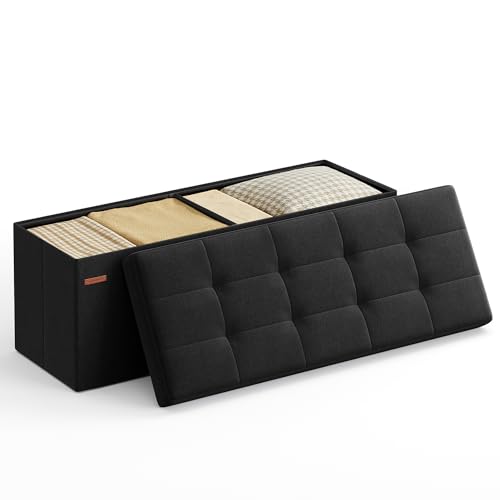
Incorporate multifunctional pieces. An ottoman can serve as both a footrest and an extra seat when needed. Choose pieces with built-in storage to keep items organized and free up floor space. Wall-mounted shelves can also display decor without taking up valuable square footage.
Create zones by using area rugs to define different sections. A rug under the seating can anchor that area and provide warmth. Keep pathways clear, ensuring easy access between zones, which enhances movement and flow within the space.
Select lightweight and movable items that can be rearranged easily. This flexibility allows for adaptability when hosting guests or changing the aesthetic. Opt for lighter colors to brighten the area and make it appear larger, while mirrors can boost the sense of openness and light.
Measuring Your Space Before Arranging
Begin with precise measurements. Identify the dimensions of each area, noting the lengths and widths of walls, doors, and windows. Highlight any architectural features, such as radiators or built-in shelving, which may impact placement.
Tools Needed
Utilize a tape measure, a notepad, and a pencil. If available, a laser measuring device can enhance accuracy. Make sure to record all measurements systematically.
Creating a Layout Sketch
Draw a simple floor plan. Transfer the measurements onto graph paper or use a digital tool. Mark locations of doors, windows, and existing features for reference.
| Measurement | Notes |
|---|---|
| Wall Length | Record each wall separately. |
| Wall Width | Note the space available for new elements. |
| Door/Window Size | Include their positions; consider opening direction. |
| Ceiling Height | Check for vertical space; affects visual balance. |
Analyzing these details will clarify the available space, allowing for more informed decisions about placements and options, maximizing both style and functionality.
Choosing Multi-Functional Furniture
Prioritize modular pieces that serve dual purposes, such as a sofa bed or an ottoman with storage. These options help maximize usability without compromising on aesthetics.
- Sofa Beds: Opt for a comfortable design that fits your style while offering sleeping space for guests.
- Storage Ottomans: Ideal for keeping items organized, they can also act as additional seating or a coffee table.
- Expandable Tables: Look for dining tables that can be extended, accommodating gatherings without taking up too much space.
- Nested Tables: These can be stacked together to save space or separated for use as side tables when needed.
- Bookshelving Units: Choose units that reach higher, utilizing vertical space for storage and display without consuming floor area.
Incorporate choices that align with your lifestyle. For example, if you often work from home, a desk that doubles as a console can blend seamlessly with your décor.
- Assess your daily activities to identify which functions you need the most.
- Consider styles that enhance the atmosphere you want to create.
- Measure your available space to ensure every piece you select fits harmoniously.
Ultimately, selecting versatile items allows for greater adaptability in design and function, creating a more fluid and engaging environment.
Establishing a Focal Point
Position a standout piece–like a vibrant artwork or an eye-catching shelf–against the main wall. This will draw the gaze and set the tone for the entire area.
Consider these strategies for maximizing visual impact:
- Choose Bold Colors: Select items with rich hues that contrast with surrounding decor.
- Utilize Scale: Ensure the focus piece is proportionate to the sizes of adjacent elements.
- Incorporate Unique Textures: Use materials that add depth, such as woven fabrics or metallic finishes.
Enhance functionality by positioning seating towards the focal feature. It creates an inviting atmosphere, encouraging conversation and engagement.
Lighting plays an integral role; spotlight your centerpiece with adjustable fixtures or wall sconces to highlight features during different times of the day.
Avoid overcrowding the area around your focal point. Leave enough space to breathe for better appreciation and visibility.
Creating Flow with Furniture Placement
Begin with positioning pieces to facilitate movement. Aim for a clear path, leaving at least 18 to 24 inches of space between seating and other structures, such as tables or walls. This spacing allows for easy navigation without discomfort.
Cluster chairs and sofas to foster conversation while maintaining an open layout. Arrange them in ways that invite dialogue–consider a U-shape or an L-shape configuration. This invites interaction and creates a sense of intimacy without sacrificing flow.
Utilize rugs to define distinct areas within the space. A well-placed rug can visually separate the lounging zone from other activities, guiding the eye and creating a seamless transition. Ensure that the rug is large enough to accommodate at least the front legs of larger pieces, enhancing cohesion.
Visual balance is paramount. Distribute larger elements evenly across your area to avoid creating visual heaviness on one side. If a substantial sofa occupies one corner, implement smaller accents, like side tables or poufs, on the opposite perimeter to achieve equilibrium.
Incorporate vertical elements to draw the eye upward, creating the illusion of height. Consider tall bookshelves, artwork, or plants that extend toward the ceiling, breaking up the horizontal lines typically present in seating arrangements.
Lastly, integrate storage solutions that blend with the overall scheme. Shelving units or multi-purpose benches not only contribute to the aesthetic but also enhance movement patterns, avoiding clutter and maintaining an open environment.
Using Vertical Space for Storage
I recommend installing floating shelves to capitalize on upper wall areas. These shelves can display decor, books, or even plants, creating a visually appealing setup while keeping the floor clear.
Consider tall shelving units that reach towards the ceiling. They draw the eye upward, making the area feel larger. Opt for units with a mix of open and closed storage to keep essentials organized while displaying attractive items.
Hang hooks or pegboards on walls for items like bags, hats, or even kitchen utensils. This not only saves floor space but also adds an artistic element to your decor.
Don’t overlook the back of doors. Over-the-door organizers are perfect for shoes, accessories, or cleaning supplies. They utilize often-wasted vertical space effectively.
I find multipurpose furniture with vertical elements, like an armchair with built-in storage or an ottoman that doubles as a decor piece, also enhances utility while maintaining a streamlined look.
Mirrors can be mounted on walls to reflect light and create an illusion of more space, which complements the use of vertical elements by drawing attention upward. This can further enhance the perception of openness.
Selecting the Right Color Palette
Opt for lighter shades to create an illusion of openness. White, soft beige, or light pastels can effectively enhance brightness and make the environment feel larger. I frequently combine these hues with bolder accents, like cushions or artwork, to maintain interest without overwhelming the senses.
Monochromatic schemes also work well; using varying tones of a single color adds depth while remaining cohesive. I often select a base color, such as soft gray, and layer it with darker grays and complementary textures for a sophisticated look.
Consider the psychological effects of colors too. Blues and greens evoke tranquility, perfect for creating a calm oasis. Alternatively, warmer tones like soft yellows or terracotta can evoke coziness, making the space feel inviting and nurturing.
Incorporate patterns sparingly. A single patterned chair or rug can add character without cluttering the space visually. I also recommend using natural light to your advantage; light colors reflect it better, amplifying the brightness in confined areas.
Arranging Seating for Conversation
Position seating to encourage face-to-face interaction. I prefer placing chairs and sofas at angles to create an inviting atmosphere. A circular layout often works well, fostering engagement among guests.
Limit the number of pieces to avoid overcrowding. Two to four seats are ideal. A set of two armchairs paired with a compact sofa can create a cozy yet functional area.
Ensure there’s a central table within arm’s reach. This facilitates drink placement and mingling. I find that a round coffee table complements this setup, minimizing sharp edges and promoting flow.
Consider adding ottomans or poufs as additional seating. These can be easily moved and tucked away when not in use, enhancing flexibility while maintaining a conversational vibe.
Leave adequate space between pieces, ideally 18-24 inches. This allows for easy movement without sacrificing comfort during discussions.
Incorporate accent chairs to break the monotony of larger pieces. Use designs that echo the primary seating style for cohesion while adding individuality to the arrangement.
Lastly, include strategic lighting, like floor lamps or string lights, directly near seating. This not only sets the mood but also draws guests together, creating an inviting space for conversation.
Incorporating Lighting to Enhance Space
Opt for a combination of ambient, task, and accent lighting to create a well-balanced atmosphere. I’ve found that using a mix of these types can make a significant difference in perceived space. For instance, consider a central ceiling fixture to provide general illumination, complemented by floor lamps or table lamps for localized tasks like reading or working.
Layering Light
Layering different light sources helps in adding depth. I often install wall sconces to illuminate vertical space, which draws the eye upward, making the area feel more spacious. A dimmer switch can also transform the mood, allowing for adjustments based on time of day or activity.
Utilizing Mirrors
Strategically placing mirrors opposite light sources amplifies brightness and contributes to an illusion of more room. I prefer choosing decorative mirrors that also serve as art pieces, enhancing the overall aesthetic while benefiting from their reflective properties.


