
 Caleb Turner

Feasible earnings in the furniture resale sector often reach anywhere from $500 to $5,000 monthly, depending on the strategies employed and market demand. By sourcing items at thrift stores, garage sales, or online marketplaces, I’ve successfully transformed neglected pieces into sought-after treasures.
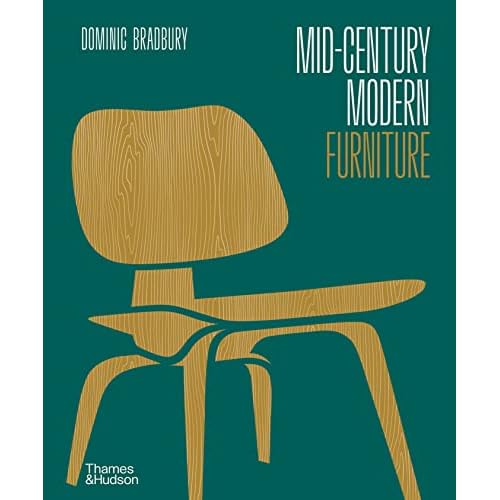
Sophisticated refinishing techniques and smart staging can significantly enhance the perceived value of each piece. For instance, investing time in reupholstering a vintage chair or restoring a wooden table can yield substantial profits, sometimes increasing the item’s value by 200% or more. Targeting specific styles that are trending can further boost sales, particularly with mid-century modern and shabby chic aesthetics.


Choosing the right platforms for sale is crucial. Utilizing social media, local classifieds, or dedicated resale websites can connect me with a broader audience. Consistent branding and a polished image on listings can contribute to customer trust and repeat buyers, ultimately elevating my income potential in this lucrative field.
Potential Earnings from Reselling Furniture
Profit margins vary significantly based on a few key factors. I consistently see resellers earning anywhere from $50 to $300 on individual pieces. Rare finds or refurbished items can net even higher returns, sometimes up to $800 or more.
Factors Influencing Profitability
- Source of Inventory: Scoring deals at garage sales, thrift shops, or auctions usually results in lower costs, leading to higher profit potential.
- Condition: Items needing minimal repairs or cosmetic updates often yield better financial outcomes. Focusing on easy fixes enhances return on investment.
- Market Demand: Keeping an eye on trends influences sales. Mid-century modern and industrial styles typically attract more buyers, raising selling prices.
- Sales Channels: Utilizing platforms like Facebook Marketplace, Etsy, or local flea markets affects pricing strategies. Online sales may require additional shipping costs but offer access to wider audiences.
Estimating Time Investment
Time spent on sourcing, refurbishing, and marketing can impact earnings. On average, dedicating 10-15 hours a week can lead to net revenues of $300 to $1,500 monthly. Efficient use of this time is crucial in maximizing returns.
Maintaining a detailed record of purchases and sales helps identify successful strategies, guiding future decisions and optimizing profits.
Understanding the Furniture Flipping Market
Research local demand before entering this sector. Popularity of specific styles varies by region. Antique, vintage, and modern pieces often attract different customer bases. Use social media to gauge trends, checking local sale groups and marketplaces for insights.
Your Sources for Sourcing
Finding affordable options is key. Consider these avenues:
| Source | Description |
|---|---|
| Garage Sales | Great for bargains; visit regularly to find unique items. |
| Thrift Stores | Often filled with potential; inspect products for quality. |
| Online Marketplaces | Websites like Craigslist and Facebook Marketplace offer diverse selections with negotiation possibilities. |
| Estate Sales | Usually sell items at lower prices; good for finding high-quality pieces. |
Assessing Market Value
Accurate pricing requires research on completed sales of similar items. Consider condition, brand reputation, and restoration costs. Price competitively to attract buyers while ensuring a profit margin. Networking with other sellers can provide insights into pricing strategies and market movements.
Factors Influencing Profit Margins in Furniture Flipping
Location significantly shapes potential earnings. Urban settings often yield higher prices due to demand, while rural areas might present more affordable purchasing options.
Condition of each item plays a critical role. The more significant the repairs or refinishing involved, the more time and resources I must invest, which can eat into profits. Identifying pieces that need minimal work will enhance profitability.
Understanding trends is non-negotiable. I regularly research popular styles and colors to ensure my selections align with market preferences. Vintage and mid-century modern pieces frequently attract buyers, but staying updated on current trends is vital.
Purchasing sources vary and impact overall costs. Yard sales and auctions often yield lower prices than retail or thrift stores. Establishing effective relationships with local sellers can lead to finding unique items at better prices.
Pricing strategy requires consideration of both acquisition costs and personal time invested. Overpricing can deter potential buyers, while underpricing limits profit. I assess similar listings to set competitive rates.
Presentation matters significantly. Quality photos and well-written descriptions attract more interest, leading to quicker sales and higher offers. Investing time in staging each piece can result in better outcomes.
Finally, networking plays a part in long-term success. I connect with other enthusiasts to exchange resources and insights, further expanding my knowledge base and market reach.
Identifying High-Demand Furniture Items
To maximize returns, target items that exhibit strong demand and appreciation. Focus on specific categories of furnishings that consistently attract buyers:
Key Categories to Consider
| Furniture Type | Market Appeal |
|---|---|
| Mid-Century Modern | Highly sought after due to timeless design and versatility. |
| Solid Wood Pieces | Durable and repairable; often more desirable than particle board. |
| Antique Items | Unique characteristics can command higher prices; look for quality. |
| Upcycled/Custom Furniture | Personalized items attract eco-conscious buyers willing to pay more. |
| Outdoor Furniture | Seasonal demand creates opportunities in spring and summer. |
Trends and Preferences
Analyze local preferences and styles, as they can vary significantly. Online marketplaces and social media groups can provide insight into what’s trending. Additionally, studies indicate a growing interest in sustainable and vintage products, making it advantageous to incorporate these elements into offerings.
Assessing Your Initial Investment Costs
The first step in assessing initial investment expenses includes determining the budget for acquiring pieces. I typically allocate between $50 to $200 for items depending on their condition and potential for resale. Vintage or unique items may command a higher price, so research local marketplaces like thrift stores, garage sales, and estate sales to gauge pricing.
Material and Tool Expenses
Another key aspect involves calculating costs for materials and tools required for refurbishment. Basic supplies such as sandpaper, paint, and upholstery fabric can cost anywhere from $20 to $100. For more extensive repairs, the budget might increase, bringing tools like drills and saws into play. Investing in quality tools can pay off in the long run and ensure better results.
Transportation and Storage Fees
Consider transportation expenses, especially if hauling larger pieces. Pickup truck rentals or trailer costs can range from $30 to $100 daily. Additionally, if space is tight at home, temporary storage units might incur monthly fees of around $50 to $150 depending on location and size. These costs add up quickly, so plan ahead.
Choosing the Right Repair and Upcycling Techniques
Prioritize structural integrity by assessing the item thoroughly before applying any techniques. Tighten loose joints and repair cracks to ensure durability. For wooden pieces, wood glue combined with clamps is often sufficient to fix minor damages.
Surface Treatments
Opt for sanding to remove imperfections or paint, followed by a suitable stain or finish to enhance appearance. If the goal is a modern look, consider chalk paint or spray paint, which provides a smooth finish and a contemporary vibe. Always test colors on a small area first.
Fabric and Upholstery
Select new fabric that complements the style of the piece while also ensuring durability. Reupholstering with high-quality foam can elevate comfort, while using velcro or staples securely fastens the fabric. Consider DIY methods for tufting or adding embellishments to increase appeal.
Pricing Your Flipped Furniture Competitively
Focus on researching similar items in your local market. Check online marketplaces such as Craigslist, Facebook Marketplace, or OfferUp to see what similar pieces are listed for and what actual sales have occurred recently. This will provide a benchmark.
Calculate Your Costs
Determine how much you’ve spent on acquisition, materials, and any labor you perform. This total will guide the minimum price you should set to avoid losses. Keep a detailed record of each expense for clarity.
Set Competitive Prices
Aim to price items around 20-30% lower than competitors for quick sales. This approach attracts buyers while still allowing for a reasonable profit margin. However, ensure the price reflects the quality of your restoration or enhancements.
Consider offering discounts for bundle purchases. If a buyer expresses interest in multiple pieces, providing a slight discount can facilitate a quicker transaction and maximize your earnings.
Leverage social media to your advantage. High-quality photos and engaging descriptions can enhance perceived value. Share restoration processes, which can create interest and justify a higher price point.
Regularly review your pricing strategy based on feedback, sales velocity, and changing market trends. This adaptability can lead to sustained profitability over time.
Strategies for Marketing Your Flipped Items
Utilize social media platforms like Instagram and Facebook to showcase your redesigned pieces. High-quality images and engaging captions can attract potential buyers effectively. Consider using hashtags related to home decor and vintage finds to broaden your reach.
Leverage Local Marketplaces
List your transformed items on local online marketplaces such as Craigslist, Facebook Marketplace, or OfferUp. These platforms have a targeted audience looking for unique pieces. Including detailed descriptions and multiple photos can significantly increase interest.
Network and Build Relationships
Participate in local craft fairs or flea markets to display your work. Personal interactions with customers provide an opportunity to share your story, enhancing emotional connections. Forming partnerships with local artists or shops can also create new channels for sales.
Calculating Your Time Investment Versus Earnings
I assess the balance between time and profit in this business. To gauge the financial success properly, I calculate the hours spent on sourcing, refurbishing, marketing, and selling. By tracking these elements, I establish a clearer picture of what my time is worth.
Time Tracking Strategies
- I maintain a detailed log of each activity related to the process of rejuvenating items.
- I categorize tasks into sourcing, repairing, listing, and communicating with potential buyers.
- I use time-tracking apps to streamline this process and gain insights on efficiency.
Calculating Earnings Per Hour
To determine whether the effort is worthwhile, I calculate my earnings per hour:
- I first estimate the selling price of the rejuvenated item.
- I subtract all incurred costs such as materials and listing fees.
- I divide my total profit by the hours invested.
This metric allows me to gauge whether each flipped item is a lucrative use of my time. If I find the earnings per hour is low, I analyze the process for improvements or consider higher-value pieces.
Strategically, I adjust my focus toward the items that promise better returns on time invested, optimizing profitability while maintaining a productive workflow. Using this calculated approach, I’m better positioned to decide where to dedicate my energies for maximum profit.
Real-Life Case Studies of Successful Furniture Flippers
Successful ventures often require inspiration from those who have achieved notable results. Here are a few real-life examples that reflect diverse strategies and outcomes in the realm of revamping different types of furnishings.
Case Study 1: Vintage Finds in a Small Town
Living in a small town with a limited selection of antique shops offered me an opportunity. I focused on sourcing vintage pieces that were often overlooked. Initially, I purchased a neglected wooden rocking chair for just $30. After applying a fresh coat of paint and reupholstering the seat, I sold it for $150.
- Initial Investment: $30
- Sold Price: $150
- Profit: $120
Case Study 2: Mid-Century Modern Revival
Another successful project involved mid-century teak furniture. I found a dining table at a local thrift shop priced at $100. Sanding down the table and applying a natural oil finish transformed it. I effectively marketed it on social media, and it attracted great interest, ultimately selling for $400.
- Initial Investment: $100
- Sold Price: $400
- Profit: $300
Networking with local interior design groups increased visibility and sales opportunities. Additionally, I leveraged online platforms to reach wider audiences.
Case Study 3: Unique Upcycling Techniques
By experimenting with unconventional materials, I found success in creative upcycling. I turned an old dresser into a stylish bathroom storage unit by adding hooks and open shelving. My investment for materials was approximately $75, while my selling price was $250.
- Initial Investment: $75
- Sold Price: $250
- Profit: $175
Researching current design trends has proven invaluable for identifying buyer preferences, allowing me to choose projects accordingly. Utilizing platforms like Etsy not only widened exposure but also connected me with buyers seeking unique pieces.
These examples illustrate that with the right approach, notable earnings and personal satisfaction can stem from revitalizing old furnishings, each story emphasizing the importance of creativity and market awareness.


