Caleb Turner
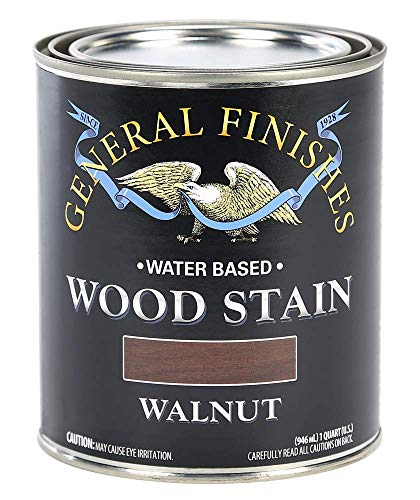
Choosing a suitable finish is the first step to enhancing the natural beauty of your timber items. Oil-based products provide a deep penetration that enriches color and grain, while water-based options offer a faster drying time with less odor. Both types can achieve stunning results, but the method of application varies.
Preparing the surface is critical. Begin by sanding gently with fine-grit paper, ensuring a smooth finish for optimal absorption. Always clean the dust thoroughly to prevent imperfections from appearing in the final appearance. After prepping, consider testing the finish on a hidden area to observe how the material responds.


Application techniques matter significantly. A brush allows for controlled coverage, while a rag can deliver more of a hand-crafted touch. Whichever method is chosen, ensure consistent strokes to avoid streaks. Allow sufficient drying time between coats, adhering to the manufacturer’s guidelines for the best durability.
Selecting the Right Type of Stain for Your Project
For optimal results, choosing a stain that matches the specific characteristics of the surface is crucial. Consider the species of timber involved, as different woods absorb pigments differently. For example, oak tends to take in color more evenly compared to pine, which can result in blotchiness if untreated.
Types of Stains
Different categories of colors can significantly impact the end look:
| Type | Characteristics |
|---|---|
| Oil-based | Offers deep penetration and long-lasting finish, but requires mineral spirits for cleanup. |
| Water-based | Fast-drying and easy to clean with soap and water; less odor and low VOCs. |
| Gel | Ideal for vertical surfaces, delivers even coloring, and minimizes blotching. |
| Acrylic | Provides a durable finish similar to water-based, great for exterior applications. |
Finishes to Consider
Selecting the right finish is as vital as the stain itself. Options include matte, satin, semi-gloss, and gloss, each providing a unique sheen and protection level. Opt for a finish that complements both the stain and the intended use of the piece.
Always test the chosen stain on a small, inconspicuous area to assess the hue and compatibility. This step can save time and material by avoiding undesired outcomes.
Preparing the Wood Surface for Staining
Careful preparation of the surface significantly impacts the final outcome. Begin with a thorough cleaning to remove dust, dirt, and oils. Use a damp cloth or sponge, followed by drying the piece completely.
Step-by-Step Preparation
- Sanding: Utilize sandpaper, starting with a coarser grit (e.g., 120) and gradually moving to a finer grit (220). This process removes imperfections and smooths the surface.
- Wipe Down: Remove sanding dust with a tack cloth or a vacuum. Ensure the surface is pristine before proceeding.
- Conditioning: Apply a pre-stain wood conditioner, especially for softwoods. This helps ensure an even application of color.
Additional Tips
- Work in a well-ventilated area to avoid inhaling dust and fumes.
- Always test the stain on a scrap piece or an inconspicuous area to gauge the final color.
- Consider the grain direction while sanding and wiping to minimize scratch visibility.
Following these guidelines ensures a smooth and even application that enhances the beauty of the material.
Choosing the Proper Application Tools for Staining
Select a high-quality brush or foam applicator for optimal coverage. For intricate designs or detailed areas, a natural bristle brush is ideal, as it holds more liquid and applies a more even layer. Choose a foam brush for flat surfaces to avoid brush marks and achieve a smoother finish.
Consider using a lint-free cloth or a rag for wiping off excess product. This method ensures that the color is even and prevents pooling in corners or grooves. Old t-shirts or microfiber cloths work well for this purpose.
If tackling larger surfaces, a roller can expedite the process. Pair it with an extension pole to reach elevated areas or large pieces without excessive bending.
Before application, test all tools on a scrap piece of the same material. This practice allows for a better understanding of how the medium interacts with your chosen items and helps perfect the technique.
Lastly, ensure that all tools are clean and dry before use. Any debris or moisture can negatively impact the finish quality, resulting in a less appealing outcome.
Applying Stain Evenly Across the Surface
To achieve a uniform finish, I prefer using a high-quality, lint-free cloth or a foam applicator. It’s crucial to work in manageable sections, typically 2 to 3 square feet, to prevent drying before I can blend the edges. Using a circular motion or going with the grain ensures an even application without lines or streaks.
Additionally, I keep the stain mixed throughout the process to avoid color variations. When dipping the applicator, I always remove excess stain by wiping it along the rim of the container. This prevents pooling and allows for better control over the amount applied.
If I notice uneven areas while working, I quickly go back with my applicator to feather in those spots, ensuring a seamless blend. For larger surfaces, I may use a brush or sprayer, always following up with a cloth to remove any excess and even out the application. Lastly, patience is key; allowing the stain to cure according to the manufacturer’s instructions before applying additional coats enhances the depth and consistency of the finish.
Understanding Stain Drying Times and Techniques
Ensure adequate air circulation when applying finishes. A well-ventilated area can significantly reduce drying times. Generally, oil-based products require 6 to 8 hours to dry between coats, while water-based alternatives often dry within 1 to 2 hours. Check manufacturer instructions for specific guidance.
Before layering additional coats, confirm that the previous one is completely dry. A quick touch test can help–if your fingertip leaves no residue, it’s likely safe to proceed. For optimal results, allow additional drying time in humid environments.
Techniques for Efficient Drying
Utilizing a fan can expedite drying by enhancing airflow. However, avoid direct contact with the surface, as it could lead to uneven finishes. Using heat sources like heat guns or hair dryers may accelerate the process, but exercise caution to prevent overheating which could damage the finish.
In cases of unforeseen delays, applying a thin coat sometimes allows subsequent layers to dry faster. If the surface remains tacky, it may benefit from light sanding to create a better bond when reapplying stain.
Monitoring Humidity Levels
Keep track of humidity levels, as high moisture content can slow down drying times. Use a hygrometer to gauge the environment, aiming for levels around 50% or lower for best outcomes. If conditions are unfavorable, consider delaying the staining process.
Applying Multiple Coats of Stain
After the initial layer reaches full dryness, I begin applying additional coats to achieve the desired depth of color. Each coat enhances richness while ensuring the finish remains consistent.
Step-by-Step Process
- Ensure the first layer is completely dry, typically 6 to 8 hours.
- Lightly sand the surface with fine-grit sandpaper (220 grit) to smooth any imperfections and promote adhesion.
- Remove dust with a tack cloth or a clean, lint-free rag.
- Apply the second coat using the same method as the first, maintaining even strokes to avoid pooling.
- Repeat the drying and sanding process for subsequent layers until achieving the desired finish.
Tips for Optimal Results
- Keep environmental conditions consistent; humidity and temperature impact drying times.
- Experiment with different application tools; brushes, rags, or foam applicators may yield varying results.
- Consider testing on a scrap piece before applying multiple coats on the main project.
- Monitor coverage closely; each additional coat should not obscure the wood’s natural grain.
Having patience is key; rushing between layers can lead to unsatisfactory outcomes. By following this approach, the final product will demonstrate a rich and well-defined appearance, enhancing the overall aesthetic of the project.
Protecting Your Stained Furniture with Finishes
For durable protection, a high-quality finish is crucial. Opt for polyurethane for water resistance or lacquer for a quick-drying, robust topcoat. Both provide ample shielding against scratches, spills, and UV damage.
Before applying any finish, ensure the stained surface is completely dry. Lightly sand with fine-grit sandpaper between coats to enhance adhesion, resulting in a smoother final product.
Application of finishes can be accomplished with brushes, rollers, or spray equipment. A brush allows for precision, while a sprayer offers an even coat without brush marks. Regardless of the tool, always follow the manufacturer’s instructions regarding application techniques and drying time.
Multiple thin coats yield a more resilient finish than one thick layer. Aim for at least three coats, allowing sufficient drying time between applications. After the final coat, let the item cure fully before use, as finishes can take several days to harden completely.
Regular maintenance, such as cleaning with a damp cloth and reapplying the finish as needed, will prolong the life and appearance of the stained surface. Consider using coasters and placemats to prevent everyday wear.
Caring for Stained Wood Creations After Finishing
Regular dusting with a soft, lint-free cloth keeps surfaces clean and preserves the integrity of the finish. Avoid harsh chemicals; a mild soap solution works best for deeper cleaning. Always test any cleaner on a hidden area first to ensure compatibility.
Protection from Environmental Factors
Maintaining stable humidity levels within the space minimizes warping and cracking. Direct sunlight can fade colors over time, so consider using UV-filtering window treatments or arranging placement to avoid direct exposure. Coasters and placemats help prevent water rings or scratches during daily use.
Periodic Maintenance
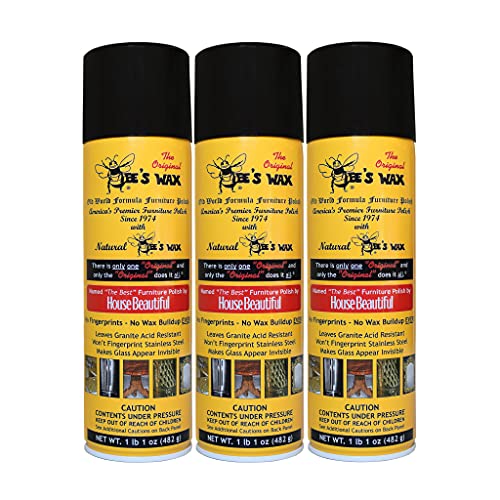
A thin application of furniture polish can revitalize the sheen and provide a protective layer against moisture and dirt. Apply polish sparingly with a soft cloth, following the manufacturer’s instructions. Regularly inspect for signs of wear, addressing any issues promptly to extend the life of the finish.