Caleb Turner


First step involves soaking up any moisture with paper towels or a clean cloth. Gently press to avoid pushing the liquid deeper into the fabric. Once the area feels dry, it’s time to prepare a solution using a mix of vinegar and water in equal parts. Apply this mixture to the affected area and let it sit for about 10-15 minutes.
Afterward, blot the area once again with a dry cloth to absorb the solution along with any remnants of the odor. For more stubborn scents, a sprinkle of baking soda can be a game changer; allow it to sit overnight before vacuuming it up. This not only helps neutralize odors but absorbs any remaining moisture.
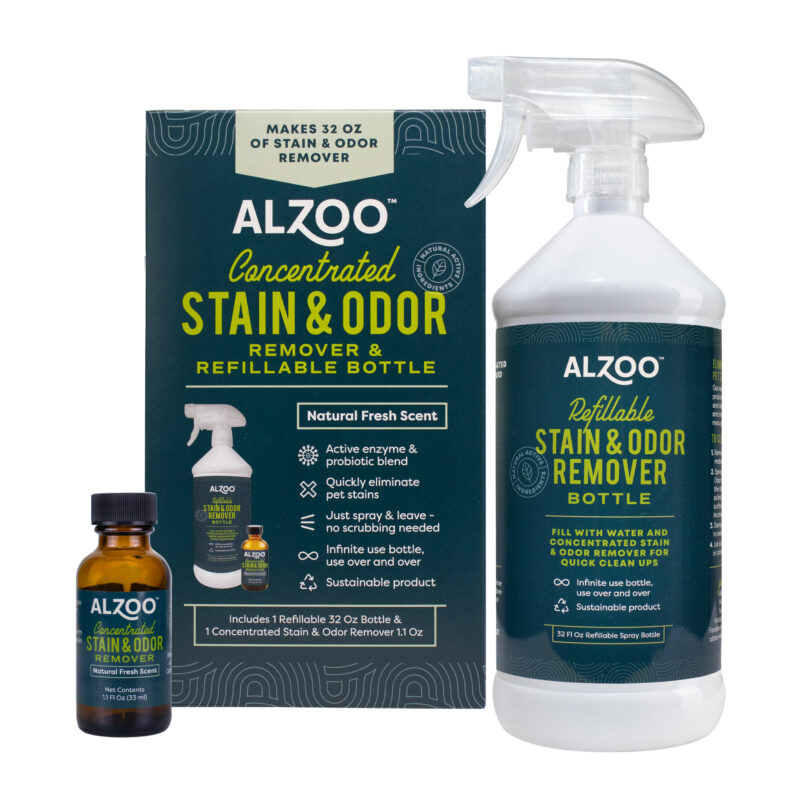
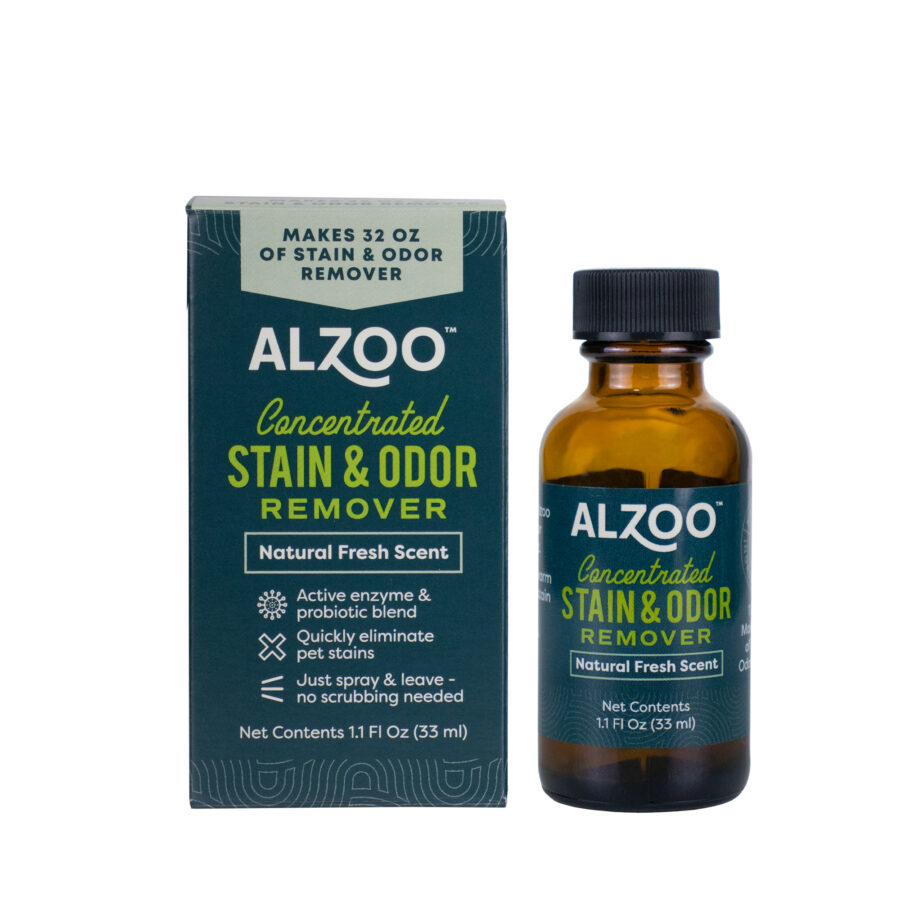
To finish the process, consider using an enzymatic cleaner specifically formulated for organic stains. Follow the instructions on the packaging for optimal results. It’s crucial to test any product on a hidden area first to ensure it won’t damage the fabric.
Tips for Eliminating Feline Odors from Upholstery
Combine equal parts of white vinegar and water in a spray bottle, then lightly mist the affected area. Blot with a cloth to absorb moisture.
Apply baking soda directly onto the stained region once dried. After 15-20 minutes, vacuum the area thoroughly to lift residual particles and odors.


For persistent scents, consider using enzymatic cleaners specifically formulated to break down organic compounds. Follow manufacturer instructions for optimal results.
After treating, ventilate the space, ensuring fresh air circulates to aid in odor dispersal.
Regularly check for remaining signs and treat any new spots immediately to prevent scent marking and further staining.
Consider covering the piece with a protective fabric or using deterrents to minimize recurrence of accidents.
Identify the Type of Furniture Material
Begin with analyzing the material composition. Common types include wood, fabric, leather, and synthetic blends, each requiring different approaches for cleaning.
For wooden surfaces, pinpoint whether the finish is varnished or untreated. A gentle cleanser mixed with water and a soft cloth works effectively on varnished wood, while untreated surfaces may need deeper treatments to avoid discoloration.
Fabric types vary significantly. Natural fibers like cotton or linen demand mild solutions, while synthetic variants such as polyester can often handle stronger cleaners. Always conduct a spot test in an inconspicuous area to check for colorfastness.
Leather requires specific care. Using a pH-balanced leather cleaner is advisable, followed by conditioning to restore moisture. Avoid excessive water, as it can lead to damage.
Synthetic materials, often found in modern furniture, are typically more resistant to robust cleaning techniques. Using enzymatic cleaners is often effective for these surfaces, but thorough rinsing afterward is crucial to prevent residue build-up.
Understanding the material aids in selecting appropriate cleaning methods, ensuring effective treatment while preserving the integrity of the furniture.
Gather Necessary Cleaning Supplies
First, assemble the following items to effectively tackle the issue:
- White vinegar
- Baking soda
- Hydrogen peroxide (3% solution)
- Dish detergent
- Spray bottle
- Soft cloths or paper towels
- Sponge or scrubbing brush
- Gloves (optional)
Cleaning Solutions
Mix a solution using equal parts of vinegar and water for a natural cleanser. Alternatively, combine baking soda with a small quantity of water to form a paste for tackling more stubborn spots.
Application Tools
Soft cloths are ideal for blotting liquids without damaging surfaces, while a sponge can assist in more thorough scrubbing. A spray bottle makes application convenient and precise.
Blot the Urine Immediately
Take a clean, dry cloth or paper towels and gently press it against the affected area to soak up as much liquid as possible. Avoid rubbing, as this can push the liquid deeper into the material.
Steps to Blot Effectively
Layer the cloth or paper towels on top of the stain, applying light pressure. Keep changing the cloth or using fresh towels until there’s no more moisture being absorbed. This initial step is vital to prevent the stain from setting.
Disposal of Soiled Towels
After blotting, discard the soiled cloths carefully. Sealing them in a plastic bag helps contain any lingering odor before washing your hands thoroughly.
| Step | Description |
|---|---|
| 1 | Press a clean cloth gently onto the stain. |
| 2 | Change cloths frequently until no liquid is absorbed. |
| 3 | Dispose of soiled towels in a sealed bag. |
Apply Homemade Cleaning Solutions
A mixture of vinegar and water offers a strong alternative for tackling unpleasant odors and stains. Combine equal parts white vinegar and water in a spray bottle, shake well, and apply it directly to the affected area. Allow it to sit for approximately 10 to 15 minutes before blotting with a clean cloth.
Baking soda also acts as an excellent deodorizer. After treating the area with vinegar solution and drying it, sprinkle a generous amount of baking soda over the location. Let it sit for several hours or overnight to absorb lingering scents, then vacuum it up thoroughly.
A solution of hydrogen peroxide, dish soap, and baking soda can intensify cleaning efforts. Mix one cup of hydrogen peroxide, one teaspoon of dish soap, and two tablespoons of baking soda. Apply this paste to the stained area, letting it sit for 10 minutes before rinsing with water and blotting dry.
<pFor situations requiring a gentler approach, a mixture of lemon juice and water can be effective. Squeeze fresh lemon juice into a cup of water, spray the solution on the stain, and wipe it away after a short period. This not only neutralizes odors but also leaves a fresh scent.
Experimentation with these homemade solutions can yield positive results, restoring the quality of materials while eliminating unpleasant residues. Adjust quantities based on the size and severity of the marks for optimal outcomes. Testing any solution on a small, inconspicuous area first is advisable to ensure the finish remains intact.
Use Commercial Enzyme Cleaners
Commercial enzyme cleaners are specifically formulated to break down the proteins found in waste, making them highly effective for neutralizing unpleasant odors. Select a cleaner that lists enzymes like protease or amylase on the label. Apply the product generously to the affected area, ensuring it penetrates deeply into the material.
Application Technique
Spray the cleaner on the stained surface, saturating it thoroughly. Allow the solution to sit for at least 10 to 15 minutes or as directed by the manufacturer. This time is essential for the enzymes to work effectively. Afterward, blot the area with a clean cloth to remove any excess moisture, and let the item air dry completely.
Repeat if Necessary
Stains may require multiple treatments. If the scent persists after the first application, repeat the process until the odor is fully eliminated. Always follow the instructions provided by the cleaner to achieve the best results.
Check for Residual Odor
After applying cleaning solutions, it’s crucial to assess if any lingering scent remains. To do this, I recommend a simple sniff test. Bend down to the surface, and take a deep breath near the area that requires attention. This will help identify if further treatment is necessary.
If an unpleasant smell persists, consider the following steps:
Re-treat Affected Areas
Utilize the same cleaning solution or a specialized enzyme formula to target stubborn residues. Allow time for the solution to penetrate the material, as this often aids in neutralizing odors more effectively.
Ventilation
Ensure the area is well-ventilated while the cleaning solution works. Fresh air circulation can help dissipate odors more quickly. Open windows and use fans if needed to promote airflow.
| Odor Type | Recommended Action |
|---|---|
| Strong | Reapply enzyme cleaner and ventilate |
| Mild | Use water with a splash of vinegar |
| Persistent | Consider professional cleaning services |
Continuously monitor the area over the next few days. If the scent returns, a deeper clean might be necessary to eliminate the problem at its source. Repeat the treatments as needed until the space is odor-free.
Clean Stains from Upholstery
Act on stains as soon as possible. It prevents further absorption into the fabric, making cleanup simpler. For upholstery, dab the affected area gently with a clean cloth, absorbing as much liquid as possible without spreading.
Choose Appropriate Cleaning Solution
Utilize a solution tailored to the upholstery type. For synthetic fabrics, a mixture of water and vinegar works well. Blend one part vinegar with three parts water, then spray it on the stain. For natural fibers, consider using a mild soap diluted in water to avoid damaging the material.
Rinse and Dry Thoroughly
After applying any solution, rinse the area with clean water to eliminate residue. Blot again with a dry cloth, ensuring all moisture is removed. Allow the upholstery to air dry completely before using the furniture to prevent any remaining odors.
Prevent Future Accidents
I recommend creating a designated area for your pet. Provide a comfortable space with their litter box, bedding, and toys to encourage appropriate behavior.
Regularly clean and maintain this area, as it will help to reinforce its importance. Praise your furry friend when they use the designated spot to strengthen positive habits.
Consider using pheromone diffusers or sprays that promote a calming environment. These can reduce anxiety and stress, potentially minimizing accidents.
Implement a routine for bathroom breaks, especially after meals or playtime, to encourage timely use of the litter box.
Monitor any changes in behavior or health. Sudden shifts may indicate underlying issues, making a visit to the veterinarian advisable.
Finally, invest in high-quality training pads. Place them strategically around your home for added assurance during transitions or when unfamiliar visitors are present.