Caleb Turner

Begin with a thorough cleaning using a soft brush and a mixture of mild soap and water. This will remove dirt, grime, and mildew that may have accumulated over time. Rinsing the surface with clean water will help ensure no soap residue remains.
After drying the piece completely, inspect for any wear or damage. Address scratches or dents with fine-grit sandpaper, gently smoothing the surface. This step is crucial for preparing the wood to absorb any treatment applied later.
Applying a high-quality marine varnish or oil specifically designed for wood exposed to the elements will protect and enhance the natural beauty of the structure. Follow the manufacturer’s instructions for the best results, ensuring that each coat is given ample drying time before adding another.

Lastly, periodic maintenance every year or two will preserve the appearance and longevity of the crafts. Regular cleaning and reapplication of protective finishes will keep the wood looking fresh and vibrant through changing seasons.
Refinishing Teak Outdoor Furniture
Begin with a thorough cleaning of the piece. Use a solution made from mild soap and water, applying it with a soft cloth or sponge. This removes dirt and grime effectively, allowing the natural beauty to resurface.
Dry completely before proceeding. Assess the condition for rough spots or faded areas. Light sand the wood using fine-grit sandpaper to smooth any imperfections. Ensure to follow the grain to avoid scratches.
Afterward, apply an appropriate oil designed for hardwood. Spread evenly with a clean cloth, focusing on absorbed areas, ensuring a uniform application. Let it sit for the recommended time stated by the manufacturer.
Wipe off excess oil with a separate cloth to prevent accumulation. This enhances the wood’s color and reduces drying out over time.
For long-lasting results, repeat this process once or twice a year, based on environmental exposure. Regular maintenance prolongs the lifespan and keeps the aesthetic appealing.
Assessing the Condition of Your Teak Furniture
Check for signs of fading, which indicates sun exposure over time. Look closely at any areas with discoloration; rich hues may have dulled or turned gray. Use a damp cloth to wipe the surface and reveal the true color underneath.
Inspect for cracks or splits, particularly on edges and corners. Stress from weather changes can create these imperfections. Gentle pressure can help identify any weaknesses without causing further damage.
Examine joints for stability. Loose connections can compromise structure and safety. Tightening screws or bolts may be necessary to restore firmness.
Observe the presence of mildew or mold, typically found in shaded areas. A mixture of mild soap and water can clean these spots effectively. Ensure complete drying afterward to prevent regrowth.
Look for scratches or gouges that affect appearance. Light surface damage can often be minimized using fine sandpaper, while deeper marks may require additional attention.
Assess the overall feel; a rough surface suggests it’s time for maintenance work. Running a hand across the surface can provide insight into texture and current treatment levels.
Documenting these findings can guide further steps, prioritizing areas needing immediate attention while planning a suitable course of action for restoration.
Gathering Necessary Tools and Materials
Prepare a complete toolkit for the task ahead. Essential items include sandpaper ranging from coarse to fine grit, a power sander for efficiency, and a hand sanding block for corners. A sturdy paintbrush and a foam applicator will ensure an even finish.
Cleaning Supplies
For cleaning, gather mild detergent, a sponge, and a bucket of water. A soft-bristle brush may help remove stubborn dirt or mildew. After cleaning, use a towel to dry the surfaces completely.
Finishing Products
Select high-quality oil or sealer specifically designed for wood treatment. Test samples on a small area to choose the best finish that enhances the natural beauty of the wood. Don’t forget protective gear like gloves and goggles for safety during preparation and application.
Cleaning Techniques for Teak Wood
For optimal maintenance, begin with a gentle scrub using a soft-bristle brush and a mixture of mild soap and warm water. This approach effectively removes dirt and grime without damaging the wood.
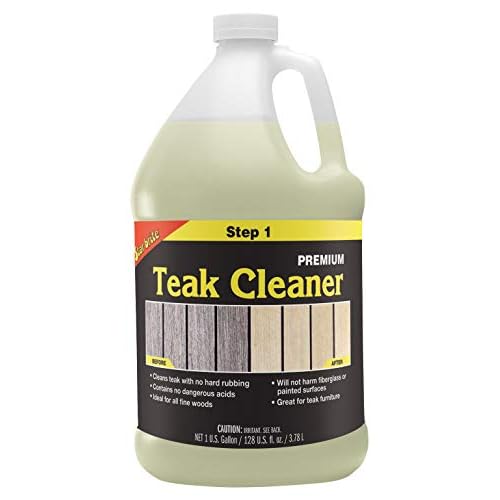
Consider employing a specialized teak cleaner if stains or mildew persist. Apply according to the manufacturer’s instructions, ensuring even coverage. Allow the solution to sit for the recommended time before rinsing thoroughly.
For touchy areas or stubborn spots, a mixture of white vinegar and water can be useful. Mix equal parts, apply to the affected area, let it sit briefly, and scrub gently with a cloth.
Regular maintenance involves rinsing the surface with clean water periodically to prevent buildup. After cleaning, always dry the wood with a soft towel to prevent water spots and additional marks.
Before applying any finish or oil, ensure the surface is completely dry and free from any cleaning residues. This preparation is essential for achieving the best results in subsequent treatments.
- Tools Required:
- Soft-bristle brush
- Mild soap
- Warm water
- Specialized cleaner (if necessary)
- White vinegar (optionally)
- Soft towel for drying
Implementing these methods consistently will maintain the beauty and durability of the wood, allowing it to remain a striking addition to any outdoor setting.
Sanding Procedures for Smooth Finishing
Begin sanding with coarse grit paper, typically around 60 to 80 grit, to remove old finishes and surface imperfections. Use a handheld sander or perform this step manually, ensuring even pressure across the entire surface.
Transition to medium grit, around 120 to 150, to smooth out rough areas created during the initial sanding. Maintain the same technique, moving in the direction of the wood grain to prevent scratches and achieve consistency.
Finish with fine grit, such as 220, to create a soft, smooth texture. It’s essential to sand lightly with this grit, as excessive pressure can remove too much material, compromising the integrity of the piece.
Sanding Tips
Always ensure the surface is clean and dry before starting the sanding process. For larger surfaces, consider using a random orbit sander for efficiency, but for intricate designs, hand sanding may be preferable. Regularly inspect the sandpaper for buildup, replacing it as needed to maintain cutting efficiency.
After sanding, wipe the surface with a damp cloth to remove dust particles, ensuring a clean platform for the application of oils or sealants.
| Grit Level | Purpose | Recommended Tool |
|---|---|---|
| 60-80 | Remove old finishes and imperfections | Hand sander/Manual |
| 120-150 | Smooth surface | Hand sander |
| 220 | Final smoothing | Hand sander |
Adhering to these sanding procedures guarantees a professional-quality finish, enhancing the aesthetic and longevity of the wood pieces.
Applying Stain or Oil for Protection
Choose a high-quality penetrating oil or stain specifically designed for outdoor usage. Products with UV protection help prevent fading and degradation from sunlight exposure.
Before application, ensure the surface is clean and completely dry. Utilize a soft cloth or brush to apply the oil or stain evenly. Follow these steps:
- Pour a small amount of oil or stain onto a clean cloth or brush.
- Apply in the direction of the wood grain to enhance absorption.
- Work in sections to avoid overlap and ensure an even coat.
- Allow it to soak in for the recommended time as per the product instructions, typically 10-20 minutes.
- Wipe off excess with a clean cloth to prevent a sticky finish.
For optimal protection, apply at least two coats, allowing sufficient drying time between applications. Inspect the furniture periodically; reapplication may be necessary every 6-12 months based on environmental conditions.
Store unused oil or stain securely for future touch-ups. Proper maintenance preserves the natural beauty and longevity of the wood.
Maintaining Your Refinished Teak Furniture
Regular care extends the life of your refurbished pieces. Every few months, I clean the surfaces to eliminate dirt and debris. A gentle solution of mild soap and water works wonders; I use a soft cloth to avoid scratches.
After cleaning, I inspect for any signs of wear. If I notice fading or dullness, applying a quality oil rejuvenates the luster. This not only enhances the wood’s appearance but also offers protection against moisture.
In areas with harsh sunlight, I rotate the items periodically. This even exposure helps prevent uneven fading. During rainy seasons, I cover the pieces or relocate them to a sheltered area to minimize weather-related damage.
Additionally, I recommend using coasters and placemats to protect surfaces from heat and moisture. This simple practice prevents staining and prolongs the fresh look of the finish.
At least once a year, I take the time to reapply oil or sealer, ensuring continued protection. Following the product’s guidelines guarantees a uniform application.
Lastly, I avoid the use of harsh chemicals or abrasive cleaning tools, as they can strip away the finish and damage the wood. Instead, embracing gentle alternatives yields better long-term results.