
 Caleb Turner
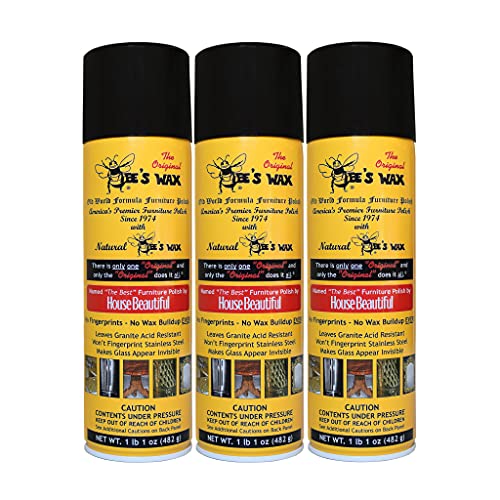
Opt for a gentle approach using a mixture of warm water and a few drops of mild dish soap. This solution helps remove dirt and stains without damaging the glossy finish. Dampen a soft microfiber cloth with this blend, ensuring it’s not overly soaked, to prevent moisture from seeping into joints or seams.
Once the surface is wiped down, follow up with a clean, dry cloth to buff away any excess moisture and restore shine. For stubborn spots, a mixture of vinegar and olive oil in equal parts can add extra luster while also acting as a natural polish. Apply this blend sparingly with a soft cloth and buff it gently.


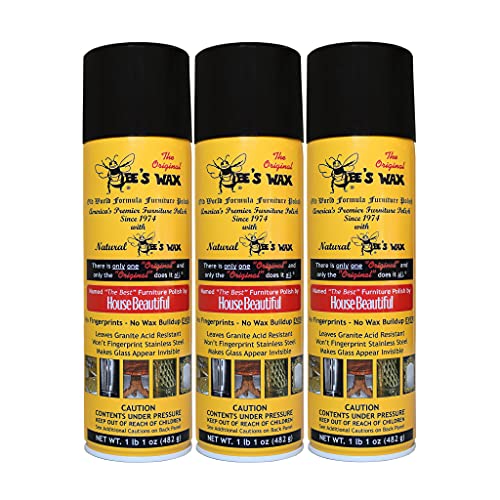
Avoid abrasive materials or harsh chemicals, which can scratch or dull the finish. For regular maintenance, simply dust with a soft, dry cloth to prevent buildup and maintain that pristine look. Storing items with protective pads underneath can also prevent scratching and prolong the life of the surface.
Understanding the Composition of Lacquer Furniture
Knowing the materials involved in crafting lacquered surfaces is vital for maintaining their appearance. Traditional lacquer involves a combination of natural resins and solvents, resulting in a durable and glossy finish.
Materials Used
- Natural Resins: Often derived from tree sap, these resins provide a strong adhesive quality and contribute to the finish’s luster.
- Solvents: Typically organic substances, solvents assist in application and drying processes, affecting the overall hardness of the final coat.
- Additives: Various chemicals may be included to enhance drying time and improve resistance to scratches and UV light.
Finishing Process
Application generally involves multiple layers, each requiring careful drying to ensure durability. The process often includes:
- Surfaces are sanded smooth to prepare.
- Thin coats are applied, allowing each layer to harden completely.
- Final buffing results in a high-gloss finish that highlights the wood’s grain.
Understanding these components allows for informed choices regarding care and upkeep, ensuring longevity and aesthetic appeal. Awareness of the specific resin and solvent combinations can also guide towards the right cleaning products.
Gathering the Right Cleaning Supplies
A microfiber cloth proves invaluable for removing dust and grime without causing scratches. Soft, lint-free options are preferable to maintain the shine of lacquered surfaces.
A pH-neutral cleaner is essential; harsh chemicals can damage the finish. Look for products specifically formulated for delicate coatings or wood treatments.
In addition, a spray bottle will aid in applying cleaner precisely, minimizing excess moisture exposure. Never pour liquids directly onto the surface.
A soft-bristle brush can assist in cleaning intricate details or hard-to-reach corners. This ensures no dirt buildup accumulates in these areas.
Having rubber gloves on hand protects skin from cleaning agents and ensures a better grip while working. An old cotton t-shirt can serve as an alternative cloth if needed.
Lastly, a polishing product specifically crafted for lacquered surfaces can restore luster and protect against future wear. Regular maintenance with these supplies keeps the finish pristine.
Dusting Techniques to Prevent Scratching
Utilize a microfiber cloth for dusting. This material attracts dust without harsh abrasion, ensuring a smooth surface remains unscathed.
Always dust in a straight motion; circular movements can create friction that leads to scratches over time.
For larger areas, consider using a vacuum cleaner with a soft brush attachment. This method lifts dust effectively without risk of scratching.
Avoid feather dusters; they may scatter dust rather than capture it, potentially leading to residue accumulation that can harm the finish.
When tackling intricate designs or crevices, opt for compressed air or a soft brush specifically designed for delicate surfaces. This helps remove trapped dust without scratching.
Regular dusting frequency is key. Establish a routine, ideally weekly, to prevent buildup that can lead to abrasive damage during cleaning.
Maintain optimal humidity levels in the environment. Excessive dryness can cause materials to expand and contract, risking cracks and scratches.
Consider wearing gloves during the dusting process. Oils from fingers can transfer onto surfaces, potentially leading to discoloration or damage.
Incorporating these techniques ensures a long-lasting, pristine appearance of polished items while safeguarding them from unsightly damage.
Choosing the Appropriate Cleaning Solution
Select a mild, pH-balanced cleaner specifically formulated for glossy finishes. Avoid harsh chemicals, as they can damage the surface. Consider options that are free from ammonia and abrasive ingredients.
To create a safe cleaning solution, mix equal parts of distilled water and white vinegar. This formula is effective without harming the coating. Alternatively, a few drops of a gentle dish soap in warm water can suffice for routine maintenance.
Testing the solution on a discreet area is advisable to ensure compatibility. Allow the spot to dry and inspect for any discoloration or adverse reactions.
Maintain a microfiber cloth on hand, as it captures dust without scratching delicate coatings. For sticky residues, a solution of water and a soft sponge will work, followed by drying with a clean cloth.
Refrain from using commercial all-purpose cleaners; they often contain solvents that can degrade the protective finish.
Store any cleaning products in a cool, dry location to preserve their integrity and effectiveness for future use.
Step-by-Step Cleaning Process for Lacquer Surfaces
Initiate the process by selecting an inconspicuous area on the surface to test the cleaning method. This ensures no adverse reactions occur. Prepare a soft microfiber cloth, free from lint and abrasives, for application. Begin with a thorough dust removal using this cloth, ensuring no particles remain to prevent scratching.
Application of Cleaning Solution
Lightly dampen the microfiber cloth with the chosen solution. It’s advisable to use a mixture of warm water and a gentle pH-balanced soap, or a specialized product for coated surfaces. Avoid soaking the cloth; excess moisture can damage the finish.
Wiping Technique
Gently wipe the surface in long, even strokes following the grain. This technique minimizes the risk of streaks and preserves the original sheen. Rinse the cloth frequently to remove accumulated dirt and residue.
| Step | Action |
|---|---|
| 1 | Test cleaning solution on an inconspicuous area. |
| 2 | Dust the entire surface with a microfiber cloth. |
| 3 | Dampen the cloth with the cleaning mixture. |
| 4 | Wipe following the grain in long strokes. |
| 5 | Rinse cloth and repeat as necessary. |
Once finished, dry the surface with a clean, dry microfiber cloth to prevent water spots and maintain the glossy finish. This method ensures a pristine appearance without compromising the integrity of the surface layer.
Removing Stains Without Damaging the Finish
Begin with a dry, soft microfiber cloth to gently blot the stained area. This helps lift the residue without scratching the surface. For stubborn marks, I recommend mixing equal parts of distilled water and white vinegar. Dampen a cloth with this solution and gently wipe the stain, avoiding excessive moisture.
If the mark persists, a paste of baking soda and water can be effective. Apply it sparingly on the stain and rub gently with a smooth cloth. Rinse the area with a slightly damp cloth to remove any residue, ensuring no moisture is left pooling on the surface.
For ink or similar tough stains, a cotton swab dipped in rubbing alcohol can be utilized. Carefully dab the affected area and follow up with a dry cloth to absorb excess liquid. Always remember to test any cleaning solution on an inconspicuous spot first to prevent unwanted damage.
After treatment, I recommend applying a small amount of high-quality furniture polish or wax to restore luster. This step helps protect the surface while also enhancing its appearance.
Tips for Polishing Lacquer Surfaces
Apply a high-quality, non-abrasive polish specifically designed for glossy finishes. This enhances sheen while preventing scratches.
Before polishing, ensure the surface is free from dust and debris. A thorough wipe with a microfiber cloth ensures an even application.
Use circular motions with gentle pressure to distribute the polish evenly. Avoid over-applying, as thick layers can lead to buildup and dullness.
For restored shine, consider using a soft buffing cloth after applying polish. This technique brings out the luster without harming the finish.
Always test the polish on an inconspicuous area first. This helps gauge compatibility and avoids potential damage.
Regular maintenance, including light polishing every few months, helps preserve the appearance and extend the life of the surface.
Store items on coasters or mats to minimize contact with the surface, preventing scratches and wear over time.
Preventive Care to Maintain Lacquer Shine
Regular dusting with a soft, lint-free cloth preserves the glossy appearance of surfaces. Opt for a microfiber cloth which effectively traps dust without scratching. Utilize gentle, circular motions to avoid abrasion.
Applying a protective wax specifically designed for glossy finishes can shield against minor scratches and enhance shine. Ensure the product is compatible with the existing finish before application. A thin layer is sufficient; too much can create a hazy look.
For placement, consider using coasters and mats to prevent heat and moisture exposure. This proactive approach minimizes the risk of damage and helps maintain the sleek aesthetic of the pieces.
Keep all items organized and avoid overcrowding surfaces to prevent incidental scratches. This not only preserves the visual appeal but allows for easy access during routine care.
In contrast to harsh chemicals, stick to pH-balanced cleaners for occasional upkeep. Testing on a hidden area first can prevent unexpected damage. Always follow up with a dry cloth to remove any residue.
Frequent checks for signs of wear or damage enable timely intervention, thus prolonging the lifespan and brilliance of the surfaces. Addressing small issues right away helps avoid more extensive repairs later.
Common Mistakes to Avoid When Cleaning Lacquer
Avoid using abrasive materials; they can scratch the finish and ruin the surface. Opt for soft cloths or sponges instead.
Steering clear of harsh chemicals is crucial. Products containing ammonia or bleach can strip the lacquer, leading to dullness and discoloration.
Neglecting to test solutions on a small, inconspicuous area may result in irreversible damage. Always perform a patch test beforehand to ensure compatibility.
Over-wetting surfaces is another common error. Excess moisture can seep into joints or seams, leading to warping or swelling. Use a damp cloth rather than soaking it.
Skipping the dusting phase can cause further scratches during cleaning if dust or dirt particles are not removed first. Thoroughly dust prior to applying any cleaning agents.
Applying excessive pressure while wiping can lead to unwanted marks. Gentle motions produce better results without compromising the finish.
Using the wrong type of polish can have negative effects. Ensure that polishing agents are suitable for lacquered finishes to avoid dulling or residue buildup.
Forgetting to maintain regular upkeep can result in a need for more intensive cleaning later on. Establish a routine care schedule to preserve the shine.


