
 Caleb Turner
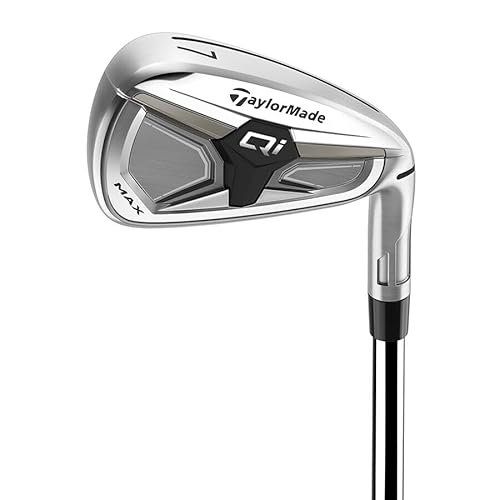
For accurate ball flight and control on the course, a five-iron typically features an inclination of around 25 to 28 degrees. This measurement influences how high the ball ascends and how far it travels, impacting overall performance. A club with a lower angle will produce a lower trajectory, whereas a steeper angle enhances lift.
Choosing a club with the correct angle is crucial for optimizing distance and precision. When striking the ball, the angle plays a pivotal role in determining how it interacts with the ground upon landing. A five-iron’s loft is engineered to assist golfers in achieving a balance between distance and accuracy, particularly when navigating mid-range shots.
It’s essential to account for personal swing characteristics as well. Players with a faster swing speed may require a different angle for optimal results, allowing for adjustments that cater to individual performance. Always consider testing various club specifications to find what aligns best with your unique style.
Understanding Iron Club Specifications
Choosing the right specifications for each club is critical. A standard medium-range club generally has an angle between 26 and 27 degrees. This angle impacts trajectory and distance, crucial for refining precision during play.


Weight distribution varies among different models and affects both feel and control. Heavier clubs can provide stability, while lighter ones might enhance swing speed. It’s essential to select based on personal preference and swing style.

Club length is another aspect worth considering. A standard length for this specific club typically falls around 38 inches. Adjusting length can influence accuracy and comfort, adjusting for your own height and stance.
Head design plays a role in performance as well. Cavity back designs often offer more forgiveness, while blades can provide better feedback to experienced players. Testing both styles can guide you toward the best option for your game.
Choosing grips that feel right is vital. Different materials and thicknesses can change how the club feels during a swing, impacting control and confidence on the course.
Clubs are part of an integrated system, so ensure consistency across your set. Mismatched specifications could lead to unpredictable results. Trust your instincts when selecting, and don’t hesitate to make adjustments based on your performance.”
Standard Angle Measurements for Five Irons
Typically, a 5-iron club features an angle of approximately 26 to 28 degrees. This value can slightly differ based on the manufacturer or specific model, so checking individual specifications is advisable.
While playing, I find that understanding these measurements aids in selecting the right club for desired shot distance and trajectory. Knowing the standard angles helps in comparing different clubs in a set for better shot accuracy.
Additionally, alterations in the angle can influence ball flight and distance. A club with a lower angle will generally result in a higher trajectory, making it suitable for various course conditions.
When fitting clubs, consider how these angles align with your swing style. Adjustments can be made to tailor clubs to individual preferences, optimizing performance on the course.
Ultimately, staying aware of these specifications allows for more informed decisions during play, enhancing both enjoyment and skill development in golf.
How Loft Impacts Ball Trajectory
A club’s angle significantly influences how high and far a ball travels. A steeper angle results in a higher launch, while a shallower angle promotes a lower trajectory. For instance, a typical club designed to produce a steep angle allows for optimal lift, making it especially useful for approach shots where elevation matters.
Height and Distance Relationship
This relationship can be quantified. Higher trajectories typically result in shorter distances compared to lower ones, which tend to carry further due to reduced air resistance and more roll upon landing. Understanding this principle allows for strategic choices on the course, adjusting positioning by selecting appropriate equipment.
Selection Tips for Trajectory Control
To manage trajectory effectively, consider these suggestions:
| Scenario | Recommended Angle |
|---|---|
| Approach to Elevated Green | Steeper Angle |
| Long Fairway Shot | Shallower Angle |
| Heavy Rough Recovery | Moderate Angle |
Understanding how varying angles influence shot outcomes allows for adjustments that align with playing conditions, enhancing overall performance on the course.
Comparing Five Iron Loft with Other Irons
In my experience, the standard angle for a typical 7-iron is generally around 34 degrees, while a 6-iron usually hovers near 30. This creates a distinctive gap when matched against my 9-iron, which averages about 40 degrees. When I pick up a 5-iron, I find its angle typically rests between those values, often around 27 or 28 degrees. This positioning allows it to generate a different flight path and distance compared to its counterparts.
Distance Differences
When evaluating distance, I’ve noticed that each club can be relied upon for unique performance. My 7-iron often produces an average of 150 yards for me, while the 6-iron can extend that range to about 160. On the flip side, I hit my 9-iron closer to 140 yards. The 5-iron offers a balanced performance that usually lands me in the 170-yard range, which provides an effective option for mid-range shots.
Trajectory and Control
Trajectory varies significantly across these clubs. My 5-iron allows for a piercing flight that can penetrate through the wind effectively. In contrast, the higher-degree clubs, such as the 9-iron, tend to produce a more balloon-like trajectory. When I utilize the 6 or 7-iron, I notice they strike a balance, providing both height and distance. Recognizing these differences helps me decide which specific tool to use in different on-course situations.
Choosing the Right Five Iron for Your Game
Selecting an exemplary club can significantly elevate performance on the course. Pay attention to your swing speed and ball striking ability. A mid to high swing speed often pairs well with this type of club, allowing for optimal distance and accuracy.
Assess Your Skill Level
Beginners might benefit from a more forgiving model, which can help mitigate mishits. Consider options with a wider sole and larger clubhead, designed for ease of use. Intermediate and advanced players may prefer a sleeker design that offers better control and shot shaping potential.
Test Different Variants
Don’t hesitate to experiment with various brands and models during practice sessions. Each club can have subtle differences influencing feel and performance. Utilize a launch monitor to evaluate distance, spin rates, and launch angles, ensuring you find a suitable match for your play style.
Finally, when making a choice, think about how comfortable you feel with the club in hand. Familiarity and confidence can make a marked difference in your overall results. Equip yourself with the right club, and it can enhance your experience on the course significantly.
Adjustable Features: Customizing Your Five Iron
Consider clubs with adjustable features to optimize performance and ball flight. These innovative designs allow for alterations in angle, giving personal control over shot dynamics.
Key aspects to think about:
- Angle Adjustment Range: Check the manufacturer specifications to know how much you can alter. Adjustments ranging from 1 to 3 degrees are common, affecting launch and distance.
- Impact on Spin: Changing angle influences spin rate. Increasing angle typically elevates spin, crucial for greenside control.
- Player Preference: Understand your tendencies. If you struggle with high shots, lowering the angle may provide better trajectory.
Explore dynamic configurations that fit your unique swing style. This customization allows for fine-tuning, ensuring your club performs to its utmost potential. Remember to test adjustments on the course to assess real-world impact.
Visit local pros or fitting centers for expert advice. They can provide insights tailored to your swing, ensuring that alterations enhance your overall play. Also, consider personal comfort with adjustments; frequent changes might not suit everyone.
Overall, experimenting with customizable options on your equipment can lead to notable improvements in accuracy and distance if approached thoughtfully.
Common Myths About Five Iron Loft
I often hear misconceptions surrounding a specific club’s angle that can impact golf performance. One prevalent myth is that all manufacturers adhere to uniform specifications. In reality, angles may vary across brands, leading to confusion among players regarding performance. Knowing the precise angle of your club can significantly affect your strategy on the course.
Another misunderstanding is that a steeper angle automatically translates to better accuracy. While a more vertical design can influence trajectory, skill level, swing mechanics, and club fitting play much larger roles in achieving precision and consistency. Therefore, relying solely on angle for improved performance might not yield desired results.
A common belief is that a specific club fosters a specific distance. Many assume their clubs can deliver a precise yardage based solely on the club type. In practice, various factors, such as swing speed, tempo, and environmental conditions, greatly dictate distance. Relying too heavily on assumptions surrounding distance can hamper overall performance.
Some golfers think that all players should utilize the same club options. This perspective ignores individual differences in swing characteristics and physical attributes. Tailoring equipment to one’s own style is essential for optimizing performance, rather than imposing a one-size-fits-all approach.
Finally, some tend to overlook adjustments. The notion that clubs maintain a fixed angle throughout their lifespan limits possibilities. Customization through adjustments can enhance performance and accommodate changes in playing style over time. Embracing this flexibility can lead to improved results on the course.


