Caleb Turner

Immediately wash the area with warm, soapy water. Use a gentle soap that won’t irritate your delicate epidermis. Pat the skin dry with a clean, soft towel instead of rubbing it, which may cause further irritation. Ensure that the water temperature isn’t excessively hot, as this can lead to discomfort.
For stubborn fibers, use adhesive tape. Press the tape onto the affected area and peel it away quickly. This method effectively lifts embedded particles without causing extra trauma to the tissue. Avoid using your hands to scrub the skin, as that can lead to a higher risk of micro-tears.
Keep your nails trimmed short to prevent accidental scratching. If irritation persists, consider applying a soothing lotion that contains aloe vera or other calming ingredients. Avoid using products with strong fragrances, as they might aggravate the sensitivity.
If you notice any significant reaction, consult a medical professional for further treatment options. Staying calm and addressing the situation promptly can make a substantial difference in your comfort and recovery.

How to Clear Fiberglass Particles from Your Body
Wearing gloves prevents direct contact with tiny glass filaments. If you’ve encountered fibers, follow these steps:

- Gently brush off any visible particles using a soft cloth or a brush. Avoid using your hands to prevent irritation.
- Take a shower with lukewarm water. Rinsing off with soap can help detach any lingering fragments.
- Consider using adhesive tape to lift off stubborn fibers. Lightly press the tape against the affected areas and peel it away.
- If irritation occurs, apply a soothing lotion or cream containing aloe vera to calm the skin.
Disposing of contaminated clothing is necessary to prevent recurrence. Seal the items in a plastic bag and wash before reusing them. If any irritation persists, consult a healthcare professional for appropriate advice.
Assessing the Type of Insulation Material
To accurately handle any residue, it’s crucial to identify the specific material causing the irritation. Common types include fiberglass, cellulose, and foam. Each has unique properties and may require different techniques for effective cleaning.
For fiberglass, I can often feel tiny shards on the surface, which can cause itching and discomfort. A good approach is to gently wash the area with soap and water, ensuring all fibers are thoroughly cleared. Protective gloves are beneficial during this process.
When dealing with cellulose, typically made from recycled paper, it tends to clump and may cause less irritation compared to other forms. If this is present, a simple rinse might suffice. I find that brushing off any loose particles beforehand helps minimize contact.
Foam insulation often has a smooth surface and is less likely to cause immediate irritation. However, I still take care to clean thoroughly, as small particles can break off and adhere to the skin. A cloth dampened with soapy water works effectively for this material.
In each case, ensuring I wear appropriate protective gear is essential to prevent further exposure. I also make a habit of checking the material type prior to any task in the vicinity to better prepare for what’s expected.
Immediate Actions After Contact with Insulation
Begin with thorough washing of the affected area using warm water and mild soap. This will assist in eliminating particles that may irritate. Ensure to do this gently to avoid further damage.
Steps to Take
- Rinse the area with cool water to remove any loose fibers.
- Apply a gentle, fragrance-free soap, lathering it well.
- Use a soft cloth or your hands to cleanse the area completely.
- Pat the skin dry with a clean towel; refrain from rubbing.
Follow-Up Care
If irritation persists after cleaning, consider applying a soothing lotion or cream. Products containing aloe vera or calendula can reduce discomfort. Avoid scratching the area, as this may lead to further irritation or infection.
Monitor for any signs of allergic reaction, such as redness, swelling, or hives. Should these symptoms appear, seek medical attention promptly.
In cases of severe exposure or if symptoms worsen, contacting a healthcare professional is advisable for further evaluation and treatment.
Using Tape to Remove Fibers and Debris
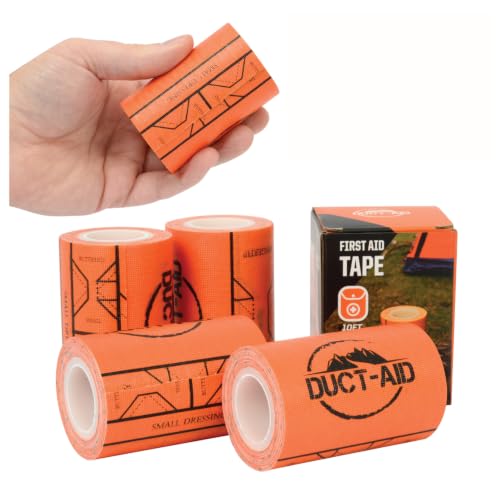
Applying tape offers a straightforward solution for extracting particles clinging to the surface. I recommend using duct tape or packing tape due to their strong adhesive properties. Begin by tearing off a piece that’s manageable in size, typically around six inches long.
Gently press the sticky side of the tape against the affected area. Ensure full contact with the fibers for better adhesion. Avoid rubbing or scrubbing, as this could push particles deeper into the skin. Once you feel confident that it has captured debris, peel the tape away slowly, keeping it as flat as possible to minimize discomfort.
In instances of stubborn fibers, it may require multiple applications to achieve satisfactory results. I suggest alternating directions with each piece of tape to cover more ground efficiently. If fibers remain, consider repeating the process with a new piece until most debris is removed.
For delicate skin areas, exercise caution. A gentle approach minimizes irritation. Finally, dispose of used tape properly, avoiding contact with other surfaces to prevent recontamination.
| Material | Recommended Type | Key Benefits |
|---|---|---|
| Duct Tape | Heavy-duty adhesive | Strong hold, versatile |
| Packing Tape | Clear or brown | Gentler on skin, effective |
Choosing the Right Cleaning Agents for Skin
For effective cleansing, I prioritize gentle, pH-balanced substances that minimize irritation. Mild soaps and cleansers specifically formulated for sensitive skin work best. Avoid harsh chemicals like bleach or strong solvents, as these can aggravate inflammation.
Top Recommended Products
Look for products containing natural ingredients such as aloe vera or chamomile, which soothe the skin. Fragrance-free options are preferable to avoid allergic reactions.
DIY Solutions
If commercial products are unavailable, a mixture of olive oil and baking soda creates a safe paste that I find helpful for exfoliating without causing damage. After use, always rinse thoroughly with lukewarm water.
Steps for Washing and Rinsing Affected Skin
Immediately rinse the area with cool or lukewarm water for at least 15 minutes. This helps to wash away any lingering particles. Avoid using hot water, as it may irritate the skin further.
Gently use soap, preferably a mild or hypoallergenic variety, to cleanse the affected area. Apply a small amount to your hands and create a lather, then massage it onto the skin without scrubbing harshly.
Rinse thoroughly to ensure all soap residue and contaminants are eliminated. Repeat if necessary, especially if there are still visible fibers or debris.
After rinsing, pat the skin dry with a soft towel instead of rubbing, as friction can exacerbate irritation. Ensure the area is completely dry before applying any aftercare products.
If mild irritation persists, consider applying a soothing lotion or gel containing aloe vera or chamomile. Avoid heavy creams that might trap any remaining particles against the skin.
Aftercare: Soothing Irritated Skin
I recommend applying a cold compress immediately to reduce swelling and irritation. Use a clean cloth soaked in cold water and place it on the affected areas for 10-15 minutes. This helps in calming the skin and alleviating discomfort.
Moisturizing Agents
Opt for a fragrance-free and hypoallergenic moisturizer. Look for ingredients like aloe vera, chamomile, or calendula, which are known for their soothing properties. Apply the moisturizer gently without rubbing, as scrubbing can worsen irritation.
Handling Persistent Irritation
If irritation continues, consider using over-the-counter hydrocortisone cream. Apply a thin layer on the inflamed area no more than twice a day. This can significantly reduce redness and itching, but avoid prolonged use without consulting a healthcare professional.
When to Seek Medical Attention
Immediately consult a healthcare professional if irritation or injury worsens despite initial care. Specific indicators prompting urgent assessment include:
| Symptoms | Action |
|---|---|
| Severe redness or swelling | Seek medical help |
| Persistent pain or burning sensations | Consult a doctor |
| Blisters forming on the affected area | Visit a healthcare provider |
| Signs of infection (e.g., pus, increased warmth) | Get medical assistance |
| Difficulty breathing or swallowing | Emergency services immediately |
| Allergic reactions (e.g., hives, swelling of face or throat) | Emergency services immediately |
Follow-Up Care
Even if symptoms appear mild, monitor for delayed reactions. Schedule a follow-up appointment if skin changes or discomfort persists beyond a few days. Document symptoms to discuss with your healthcare provider. Prompt evaluation can prevent complications and ensure proper healing.
Preventing Future Contact with Insulation
To minimize the risk of future encounters with these materials, it’s important to adopt proactive strategies.
Protective Gear
- Wear long sleeves and long pants made of thick fabric.
- Invest in goggles to shield your eyes.
- Use gloves specifically designed for insulation work.
- Consider a dust mask to avoid inhaling any particles.
Safeguarding Your Space
- Seal access points to areas with these materials using appropriate barriers.
- Regularly inspect insulation in attics and crawlspaces for integrity.
- Store tools and materials safely to prevent accidental contact.
- Educate family members about the hazards and proper handling techniques.
Implementing these precautions can significantly reduce potential exposure and enhance safety during maintenance or repairs in spaces containing these materials.
Disposing of Contaminated Clothing Safely
After handling contaminated garments, I ensure they are treated properly to prevent any further exposure. First, I place these items in a sealed plastic bag to contain any fibers and debris. This prevents cross-contamination with other clothing and surfaces.
Next, I label the bag clearly, indicating that it contains hazardous materials. This is essential for anyone who may come into contact with it later, such as waste disposal personnel.
I then follow local regulations regarding disposal. Many areas have specific guidelines for disposing of contaminated textiles, which I make sure to adhere to. If possible, I direct the sealed bag to a designated hazardous waste facility.
In instances where local regulations permit washing, I ensure that the clothing is washed separately on a hot cycle using a heavy-duty detergent. Following the wash, I either dispose of the clothing if it remains contaminated or consider reusing it only after thorough cleaning.
In sum, proper disposal not only protects others but also contributes to preventing environmental contamination. Keeping records of disposal methods can also be beneficial for future reference.