
 Caleb Turner
Transforming an area into a chic sleeping alcove seems daunting, but with careful planning, it becomes an exciting project. Prioritize the structural integrity by consulting with a professional; safety is non-negotiable. Begin by sketching designs that complement existing furnishings and define dimensions to optimize usage.
Select materials that harmonize with your aesthetic preference. Use sturdy wood for the frame, combining elegance with reliability. Create a cozy atmosphere with ample lighting; consider integrated fixtures to save space. Incorporate personal touches through textiles and decor for a warm ambiance.
Ensure access is seamless. A clever staircase or ladder not only serves a purpose but also becomes an eye-catching design feature. Finally, insist on adequate ventilation to maintain air quality, combining comfort with practicality. This elevated sanctuary will enhance both functionality and style while reflecting personal taste.


Constructing an Elevated Sleeping Space
Select a suitable area within the living space that maximizes vertical height. I measured the distance from the floor to the ceiling, ensuring a minimum of 4-5 feet clearance above the platform for comfort and safety.
Choose robust materials like plywood or sturdy timber for the frame. I utilized 2x4s for the support beams and cross-bracing. This ensured stability and durability, critical for sustaining weight without any wobble.
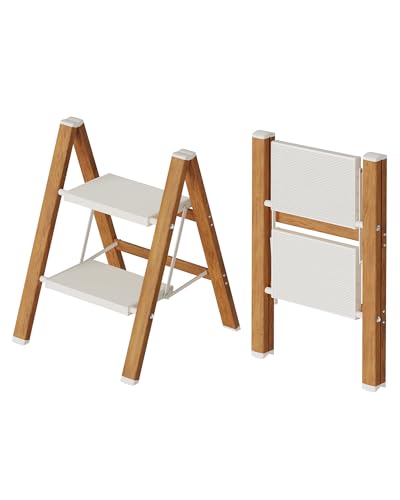
Incorporate a ladder or stairs that complement the aesthetic. I opted for a compact wooden ladder that attaches securely, making access easy without consuming much floor area.
Ensure a solid foundation with strong brackets or metal connectors. I used L-brackets at corners for added support, significantly enhancing the frame’s integrity.
Plan for flooring that provides comfort. I laid down memory foam padding on top of the plywood, covered with a soft area rug, making the elevated area cozy for resting.
Consider installation of railings to boost safety. I constructed a simple, low railing from the same materials as the frame, ensuring the structure remained secure while adding a stylish touch.
Implement proper lighting. I added wall-mounted sconces that illuminate the space without needing floor lamps, keeping the look uncluttered while enhancing usability in the evenings.
Utilize under-platform storage options. I installed drawers beneath the structure to store linens or seasonal items, maximizing functionality and reducing clutter.
Choosing the Right Location for Your Loft
Identify the most suitable corner of the space by examining ceiling height, proximity to windows, and access points. A minimum ceiling height of 8 feet is ideal to ensure comfort and airflow. If possible, position above areas that require less traffic, such as a workspace or storage, allowing you to maximize the usable floor area below.
Evaluate Natural Light
Utilize areas where natural light is abundant. Placing the elevated structure near windows not only enhances illumination but also creates a more inviting atmosphere. Consider how sunlight patterns change throughout the day to optimize the experience at different times.
Assess Accessibility and Stability
Ensure easy access to the raised area with safe ladders or stairs. Avoid tight spaces or locations that could obstruct movement. Calculate loads and stability, choosing a spot with solid support to guarantee safety. Prioritize areas with sturdy walls for attaching the frame securely.
Lastly, reflect on personal preferences and activities conducted in the area. Align the location with lifestyle needs, such as quietude for reading or sufficient space for hobbies, thereby making the most of the elevated design.
Determining the Best Materials for Construction
I recommend using solid wood for structural supports. It offers both strength and aesthetic appeal, making it a favorite for raised platforms. Look for options like pine or oak due to their durability.
For flooring, consider plywood paired with a quality finish, which provides stability at an affordable price. It’s lighter than traditional hardwood, reducing overall weight.
In terms of railings or guards, metal options like steel or aluminum provide safety with a modern touch. Their weather resistance ensures longevity.
If insulation is needed, I suggest foam boards or fiberglass, as both offer excellent thermal properties, helping maintain temperature and providing soundproofing.
For added safety, secure your platform with lag screws and appropriate brackets, choosing stainless steel to guard against rust and deterioration.
Finally, consider the finishing touches. Paint or stain not only enhances appearance but also protects the wood from wear and moisture. Look for non-toxic options for a healthier environment.
Calculating Space and Weight Requirements
Begin with a thorough measurement of the available space. Use a tape measure to determine the height from the floor to the ceiling, ensuring you account for any light fixtures or ceiling fans. This will dictate the maximum elevation for the structure.
Next, calculate the floor area. Measure the width and length of the room, then multiply these dimensions to find total square footage. This threshold dictates the footprint of the elevated structure.
Assess the weight capacity of the floor. Typically, residential floors support around 40 pounds per square foot. To determine the feasible weight for seating or storage, multiply the total square footage by the weight limit. For example, a 100 square foot space would support approximately 4,000 pounds.
Evaluate the materials chosen for construction. For wooden frames, consider the weight of beams, plywood, or any other components. Estimate the total weight based on the types of materials and their densities. Select lighter materials if the floor’s weight capacity is a concern.
Confirm compliance with building codes or regulations. Some areas have strict guidelines regarding weight limits for elevated structures, particularly in residential settings. Contact local authorities to ensure your design adheres to safety standards.
Finally, draw a scaled diagram of your concept. This visual representation will aid in adjusting dimensions for optimal use of available space while ensuring structural integrity. Regularly revisit your measurements and calculations as adjustments are made to the design.
Designing a Safe and Accessible Staircase
For a secure and user-friendly ascent or descent, I recommend a staircase with a minimum width of 36 inches, allowing easy passage even if multiple users navigate it simultaneously.
The rise and run dimensions should adhere to a comfortable ratio. Ideally, each step should have a rise between 7 to 8 inches and a run of at least 10 inches to ensure stability and reduce strain on the legs.
Handrails and Safety Features
Incorporating handrails on both sides of the staircase enhances safety. The handrails should be placed at a height of 34 to 38 inches and extend beyond the top and bottom steps. Use a non-slip material for the surface of each step to minimize the risk of slipping.
Lighting Considerations
Proper lighting is essential; I suggest installing illumination that covers the staircase adequately, whether through overhead fixtures or wall sconces. Consider motion-sensor lights to enhance visibility and safety, especially during the night.
Installing Proper Lighting and Electrical Outlets
Prioritize adequate lighting and electrical access to enhance functionality and comfort in the elevated space. For optimal brightness, consider a combination of ambient and task lighting. Recessed ceiling lights or wall-mounted fixtures provide overall illumination, while adjustable desk lamps or reading lights cater to specific activities.
Before beginning installation, evaluate the location of electrical outlets. Proper placement ensures convenience, especially for devices like chargers, lamps, and other electronics. Follow these guidelines:
- Install outlets at easy-to-reach heights, ideally between 12-18 inches from the floor.
- Position outlets near larger furniture pieces or work areas to minimize the use of extension cords.
- Incorporate multiple outlets to accommodate various devices without overloading circuits.
Consider integrating smart lighting solutions for added versatility. Smart bulbs can adjust brightness and color temperature remotely, allowing for tailored ambiance. Additionally, installing dimmer switches enhances flexibility for different activities.
Consult with a qualified electrician regarding local electrical codes and safety regulations before proceeding. This ensures compliance and prevents future issues. Adhering to code is non-negotiable, particularly when wiring new outlets or fixtures.
Finally, ensure all lighting fixtures are secured properly and that any new outlets are installed with appropriate backboxes. This step guards against electrical hazards and guarantees long-lasting performance.
Incorporating Storage Solutions into Your Loft
Maximize your setup with smart storage solutions that complement the elevated space. Consider utilizing the vertical height by installing shelving units that rise to the ceiling, providing ample room for books, decorative items, or storage boxes.
Under-bed Storage
Utilize the area beneath the elevated platform by incorporating drawers or pull-out bins. This makes it easy to access seasonal clothing, bedding, or other items that don’t need to be front and center.
Customized Built-ins
Opt for custom-built cabinetry that can seamlessly integrate into the structure. Design cabinets that match the aesthetic of the setting, and allocate space in a way that fits your personal needs.
- Consider multi-functional furniture, such as a bed with built-in drawers.
- Incorporate a desk with shelving above to create a workspace that also serves as storage.
- Install hooks for bags, hats, or accessories to keep the area tidy.
Always keep functionality in mind while designing storage elements; they should enhance the overall experience without compromising access or safety. Maintain an organization that allows quick retrieval, preventing clutter from overtaking your innovative retreat.
Finishing Touches: Decor and Functionality
Integrating decorative and functional elements is key to transforming an elevated sleeping area into a stylish and practical retreat. I often recommend investing in multi-purpose furniture pieces. For instance, a compact desk can serve as both a workspace and storage, while decorative organizers add personality without sacrificing space.
Choosing Color Schemes and Textiles
Selecting a cohesive color palette enhances visual appeal. Soft pastels or neutral tones create an airy feel, whereas bold colors can inject energy. Opt for textiles that complement your scheme–think cozy throw blankets or chic cushions. A well-placed area rug can define the space underneath, making it cozy and inviting.
Maximizing Storage Opportunities
Both aesthetics and utility come into play. Floating shelves offer display options without taking up floor area. Utilizing vertical storage solutions like wall-mounted racks keeps the design open and less cluttered. Consider underbed bins or baskets to store seasonal items or extra linens, ensuring everything has its place.
| Decor Element | Functionality |
|---|---|
| Multi-purpose Furniture | Offers additional storage and workspace |
| Floating Shelves | Creates display space without cluttering floors |
| Textiles | Enhances comfort and style |
| Underbed Storage | Keeps items organized and accessible |
Illuminate the area with a combination of task lighting and ambient fixtures. Wall sconces can create a cozy atmosphere while freeing up tabletop space. Lastly, personal touches such as artwork or photographs can establish a unique identity in the elevated space, making it feel like home.


