Caleb Turner

The average price range for installing an access point to attic space generally falls between $150 and $450, depending on materials and labor costs in your area. For a basic wooden frame option, expect to pay around $200, while a more elaborate design may increase the budget to approximately $400 or higher.
Factors influencing the overall expenditure include the type of access required, such as pull-down models, folding stairs, or hatches integrated within a ceiling. Each option features distinct pricing based on material quality and installation complexity.

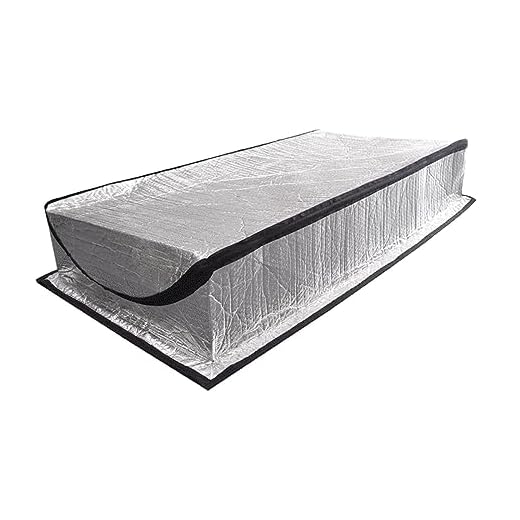

Prior to finalizing a purchase, obtaining multiple quotes from contractors can provide a clearer picture of local market rates. Detailed estimates should include not only the access point but also any necessary modifications to the existing ceiling structure. Additionally, consider potential long-term benefits, such as increased energy efficiency and improved accessibility for maintenance or storage.
Factors Influencing Hatch Pricing
Quality and material choice significantly impact costs. Wooden types often demand higher prices due to durability and aesthetic appeal, while metal options may provide lower pricing but compromise on insulation.
Size plays a critical role as well. Standard dimensions are usually more affordable, while custom sizing leads to increased expenses for manufacturing and installation.
Additionally, insulation values can alter pricing. High-quality, insulated units offer better energy efficiency, warranting a higher investment upfront that may save on energy bills in the long run.
The installation complexity influences labor charges. Simple installations typically incur standard fees, whereas additional structural modifications escalate the labor costs.
Brand reputation also affects price. Established manufacturers often price their products higher, reflecting reliability and warranty support, while lesser-known brands might offer more competitive prices but with varying levels of quality assurance.
Finally, regional market variations can lead to differing prices. Availability and local demand can either inflate or deflate costs for certain models, so always conduct thorough research before making a decision.
Average Cost Range for Various Types of Loft Access Points
The price for a standard access point generally varies from $150 to $400, depending on materials and design choices. Basic models often cost around $150 to $250, while more advanced or custom options can reach $300 to $400.
For fold-down mechanisms, the cost might range from $200 to $350. These are user-friendly and offer easy access, making them a popular choice for homeowners seeking convenience.
In contrast, telescopic versions tend to be priced between $300 to $500. These options are designed to save space and can be more complex to install, reflecting the higher pricing.
If considering insulated models, anticipate expenses from $250 to $600. They provide enhanced energy efficiency, which justifies the premium for many homeowners.
It’s advisable to set aside some budget for installation costs, usually ranging from $100 to $300, depending on the complexity and any adjustments needed in your ceiling structure.
DIY Installation vs. Professional Services Costs
Opting for a do-it-yourself approach can save you up to 50% compared to hiring experts. Basic projects, such as installing simple access panels, typically require minimal tools and skills. If you’re comfortable with home improvement tasks, purchasing a kit could range from $100 to $300, depending on the complexity and materials.
However, tackling the process solo may lead to additional costs if mistakes occur, such as damage to existing structures or improper installations. These errors can result in repair expenses that outweigh initial savings. Therefore, making sure you have the necessary skills and tools before proceeding is essential.
On the other hand, contracting a professional can range from $200 to $800. Professionals bring extensive knowledge, ensuring that installations comply with safety regulations and standards. This facilitates a quick and hassle-free process, eliminating unexpected complications.
In conclusion, carefully weigh the costs against your ability to carry out the project reliably. For those with limited experience, investing in professional services could be the most economical choice in the long run, avoiding future repairs and safety issues.
Additional Expenses: Insulation and Finishing Touches
Consider allocating approximately £100 to £300 for insulation upgrades connected to your access point. This investment ensures energy efficiency and reduces heating costs over time.
For finishing touches, such as framing and painting, budget around £50 to £150. This includes materials needed for a polished appearance and proper integration with existing ceilings.
Here’s a breakdown of the potential costs:
- Insulation Materials: £80 – £250
- Labour for Installation: £20 – £50
- Framing Supplies: £30 – £100
- Paint and Finishing Products: £20 – £50
Choose quality insulation options that suit your environment. Verify the thermal properties of materials to optimize performance. For aesthetics, consider a seamless design that blends with your interior.
Take into account local contractors’ rates if hiring professionals for insulation and finishing work. This may affect the overall expenditure depending on geographic location and project complexity.
With a clear understanding of these extra costs, you can effectively budget for your installation project, ensuring both functionality and visual appeal. Keep track of each expense to avoid surprises as you progress.
Comparing Brands and Materials for Best Value
For optimal results and budget efficiency, I recommend focusing on reputable manufacturers that offer a blend of quality and affordability. Popular brands like LCS and Fakro provide robust options with varying materials to suit different needs. Invest time in researching customer reviews for insights on durability and performance.
Wood vs. Metal
Considering the material is crucial. Wooden options, while traditionally appealing and often better for insulation, can require more maintenance over time. In contrast, metal versions tend to offer enhanced durability and lower upkeep, making them a solid choice for long-term use. Weighing the initial cost against longevity is key.
Insulation Ratings
Pay attention to insulation properties, as they significantly impact energy efficiency and future costs. Products with high thermal performance may carry a higher price tag but yield savings on heating and cooling. Look for brands that offer detailed insulation ratings; it’s an investment in comfort and reduced utility bills.
Utilizing this information, I can confidently assess the best options, ensuring that quality aligns with my budget. Making an informed choice will lead to both immediate satisfaction and long-term value.
Where to Buy: Retailers and Online Options
For purchasing an access point to your attic space, several reliable retailers and online platforms ensure a variety of options. Local home improvement stores such as Home Depot or Lowe’s provide a range of products, often allowing you to see and compare them physically. If immediate availability is crucial, visiting these stores can be advantageous.
Online marketplaces like Amazon, eBay, and specialist retailers offer a broader selection, including different types and styles. Buying online often gives access to user reviews, which can inform your decision. Brands such as Fakro and Manthorpe might feature prominently in your search, so checking their official websites could yield additional information on product specifications and warranties.
Retailers to Consider
| Retailer | Type of Offerings | Purchase Method |
|---|---|---|
| Home Depot | Physical and online sales, product variety | In-store, website |
| Lowe’s | Widespread selection, installation services | In-store, online |
| Amazon | Wide range, user reviews, competitive prices | Online only |
| eBay | New and used options, potential for bargains | Online only |
| Local hardware stores | Regional selections, potential for expert advice | In-store |
Always compare pricing and check for any shipping costs when buying online. Also, don’t forget to review the return policies to ensure flexibility in case the product doesn’t meet your expectations. Thoroughly researching will help you make an informed choice while acquiring an access solution for your upper areas.
FAQ:
What factors influence the cost of a new loft hatch?
The cost of a new loft hatch can depend on several factors. Firstly, the type of hatch you choose plays a significant role. Standard hatches are typically less expensive than more complex options, such as those with integrated ladders or those designed for better insulation. Secondly, the materials used can affect the price – wooden hatches might be costlier than plastic ones due to durability and aesthetic reasons. Additionally, the installation costs can vary based on whether you hire a professional or do it yourself. Local labor rates and any modifications needed to your ceiling structure can also impact total expenses.
Can I install a loft hatch myself, or should I hire a professional?
Installing a loft hatch yourself is certainly possible if you have some DIY experience and the right tools. Most standard hatches come with detailed instructions, making it feasible for a determined individual. However, if you are not comfortable with cutting into ceilings or if your loft has unusual dimensions, hiring a professional might be a safer choice. A professional installer will ensure the hatch is safe, properly insulated, and meets local building regulations, which can save you time and potential headaches in the long run.
How much can I expect to pay for a new loft hatch, including installation?
The total cost of a new loft hatch, including installation, can vary widely. Generally, you might expect to pay anywhere from $200 to $600. Basic models can be found at the lower end of this range, while more advanced options with additional features or better insulation could be towards the higher end. If you decide to hire a professional for installation, labor costs can add approximately $100 to $300 to the total. It’s a good idea to get quotes from different suppliers and installers to find the best deal.
Are there energy-efficient options available for loft hatches?
Yes, there are energy-efficient loft hatch options on the market. These usually feature better insulation materials that prevent heat loss, which is important for maintaining a comfortable temperature in your home. Some hatches are designed with integrated insulation boards or seals that enhance their energy performance. While these options might be slightly more expensive upfront, investing in an energy-efficient loft hatch can lead to lower energy bills and improve the overall comfort of your home.