
 Caleb Turner

Protection from harsh conditions begins with using high-quality covers specifically designed for outdoor settings. Choose breathable materials that prevent moisture buildup, which can lead to mold and mildew. Look for options that come with secure fasteners, ensuring a snug fit against strong winds.
Before covering, it’s wise to clean the items thoroughly. Utilize mild soap and water to remove dirt and debris, and allow them to dry completely. This step is crucial to maintain the integrity of the materials and prolong their lifespan.
For added protection, consider using tarps or specialized weather-resistant wraps for larger structures. Additionally, fill any empty spaces with cushions and throw pillows to maintain their shape. These precautions significantly limit the potential damage caused by freezing temperatures and snow accumulation.
Finally, store smaller pieces or accessories indoors if possible. Organizing and tucking away these items prevents unnecessary exposure to the elements, ensuring they remain in excellent condition until the next use.
Protecting Patio Essentials During Cold Months
First, gather specific materials: breathable covers made from weather-resistant fabric, bubble wrap, and straps or bungee cords. These items will effectively shield against moisture and temperature fluctuations.


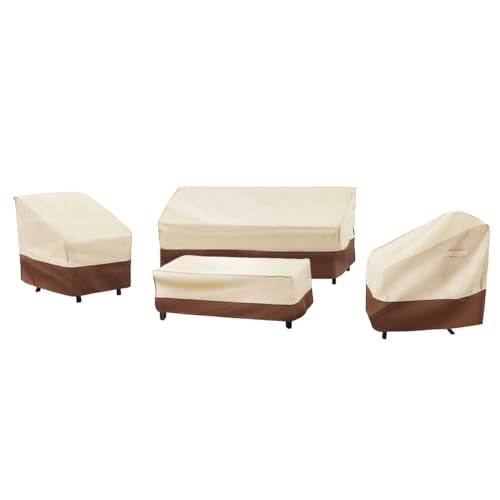
Begin with cleaning the surfaces thoroughly using a mild detergent. Remove any dirt, debris, or stains to ensure the protective layer adheres properly without trapping any harmful residues.
Next, apply a layer of bubble wrap around the more delicate pieces. Secure it using tape. This provides insulation that helps to minimize the risk of cracking or damage from freezing temperatures.
Utilize breathable covers for larger pieces to prevent mold and mildew. Make sure they are tightly secured at the base using straps or cords to prevent them from blowing away during storms.
Consider elevating wooden components off the ground using wooden blocks or pallets. This prevents prolonged contact with moisture, which can lead to rot or degradation.
For metal items, applying a rust-inhibiting spray can be beneficial. This adds an additional barrier against corrosion during harsh conditions.
Lastly, check the integrity of the coverings periodically throughout the season. Adjust or repair as necessary to ensure thorough protection against the elements.
Select the Right Materials for Protection
Choosing appropriate materials is vital for safeguarding items against harsh conditions. I recommend using items that are durable, water-resistant, and UV-protective.
Types of Materials
- Tarps: Heavy-duty tarps provide solid coverage and resist water. Look for options with reinforced grommets for secure tie-downs.
- Plastic Covers: Clear or opaque polyethylene sheets are lightweight yet effective in shielding against moisture and grime.
- Fabric Covers: Choose high-quality, breathable fabric like polyester or canvas with a waterproof backing to prevent mold growth.
- Bubble Wrap: Ideal for cushioning delicate elements, ensuring they remain intact during the cold months.
Considerations for Selection
- Ensure that the material is thick enough to withstand wind and snow loads.
- Opt for UV-resistant options to prevent fading and degradation from sunlight exposure.
- Check for ease of cleaning and storage, as some materials may require more maintenance than others.
By focusing on these aspects, I maximize the longevity of my belongings, ensuring they remain in excellent condition despite seasonal challenges.
Clean Furniture Thoroughly Before Wrapping
I recommend a meticulous cleaning process using a gentle soap and water solution. This will help remove dirt, grime, and any potential stains that could cause damage during storage.
Start with a soft brush or cloth to scrub surfaces and crevices. Pay close attention to areas where moisture might accumulate, as mold and mildew can develop if not treated properly.
Rinse and Dry
After scrubbing, thoroughly rinse with clean water. Ensure no soap residue remains, as this may attract dirt over time. Next, allow the pieces to dry completely–either by air or with a dry cloth–to prevent any moisture from being trapped inside.
Inspect for Damage
Once dry, examine each item for any signs of damage. Check for rust on metal, cracks in wood, or degraded fabric. Addressing these issues upfront will prolong the lifespan of each piece.
Disassemble Removable Parts for Easy Storage
Begin by detaching any removable components, as this facilitates more efficient organization and protection. This includes items such as cushions, table legs, and tabletops. Keeping these parts separate not only saves space but also reduces the risk of damage during the colder months.
Steps for Disassembly
Follow these straightforward steps to ensure a smooth disassembly process:
| Step | Action |
|---|---|
| 1 | Remove cushions and other soft materials, and store them in a dry location to prevent moisture absorption. |
| 2 | Unscrew or unclip detachable parts of chairs and tables, placing screws and small components in labeled bags for easy reassembly. |
| 3 | Stack or lean furniture parts vertically to save space and reduce the chance of scratches or dents. |
Benefits of Disassembly
Separating components not only simplifies subsequent setup when the season changes, but it also allows for better inspection and maintenance. This procedure reveals any wear or damage that can be addressed before the next use. By taking these steps, I ensure that everything remains in optimal condition and ready for enjoyment when warmer weather returns.
Use Proper Techniques for Wrapping Cushions
Begin by selecting breathable fabric covers that prevent moisture buildup yet provide protection. Avoid plastic wraps; they can trap humidity and lead to mold. Instead, opt for cotton, canvas, or high-quality tarp materials that keep cushions dry while allowing some air circulation.
Securely Fasten Covers
After placing cushions into the covers, ensure they are tightly secured to prevent movement. Employ clips or ropes to bind these covers, ensuring they fit snuggly around the cushions. Adequate fastening minimizes exposure to harsh elements, offering additional protection against wind and rain.
Store in a Dry Location
For enhanced safety, place wrapped cushions in a sheltered area away from direct contact with the ground. Utilizing a storage box or container not only keeps them organized but also protects them from rising dampness. Elevating the storage prevents potential water damage from pooled rainwater or melting snow.
Choose the Best Covers for Different Furniture Types
Selecting the appropriate protective coverings is crucial for various kinds of furnishings. For wooden pieces, opt for breathable fabric to prevent moisture buildup that can lead to mold or rot. Look for covers specifically designed with ventilated panels if your items are particularly large or bulky.
Metal items require covers made of waterproof materials that shield against rust. Verify that the cover fits securely to avoid wind from displacing it. Additionally, use rust-resistant zippers or straps for added security.
For padded seating, consider foam-lined covers that provide insulation against extreme cold. It’s important to ensure these covers are also water-resistant, guarding against rain and snow. Incorporate a cover that features elastic hems for a snug fit.
In the case of glass-top tables, an impact-resistant cover is advisable to protect the surface from falling debris or ice buildup. Seek options that include a soft inner lining to prevent scratches.
Ensure every cover is tailored to the specific dimensions of each piece you’re protecting. Custom-fit options may offer better protection compared to generic sizes. Regularly check the condition of the coverings to ensure they remain effective against the elements throughout the colder months.
Elevate Furniture to Prevent Water Damage
Raising the seating and tables above ground is paramount to averting moisture-related issues. I recommend utilizing sturdy blocks or platforms to achieve this elevation. A height of at least four to six inches minimizes the risk of standing water causing rot or rust.
Choosing the Right Elevation Method
Simple solutions such as cinder blocks, wooden pallets, or adjustable risers provide an effective means of lifting your items. Inspect the materials for stability and weight capacity before use. Ensure that these supports provide a solid foundation and can bear the weight of the entire structure without wobbling or collapsing.
Regular Inspection and Maintenance
Regularly check the elevation supports during the cold months to ensure they remain intact. Accumulated snow or ice can compromise the stability of the blocks. If any signs of weakness or shifting appear, I recommend replacing or readjusting them immediately.
| Method | Material | Advantages |
|---|---|---|
| Blocks | Cinder Concrete | Durable and weather-resistant |
| Pallets | Wood | Readily available and eco-friendly |
| Risers | Plastic | Adjustable height and lightweight |
By implementing these strategies, I ensure my outdoor equipment remains in top condition through harsh elements. Proper elevation not only protects against water damage but also promotes airflow, enhancing the overall longevity of the pieces.
Secure Wraps Against Wind and Ice
To effectively protect my patio items against gusty winds and icy conditions, I take specific precautions to ensure everything stays in place. First, I use heavy-duty tarps or plastic sheeting that can resist tearing. I make sure to secure all corners tightly, using strong ropes or bungee cords to keep them anchored to the ground or furniture supports.
Key Techniques for Stability
- I utilize weights, such as sandbags or bricks, to prevent movements caused by wind. Placing them on top of the covering adds extra security.
- Sticking to a method of tying down the edges of my coverings helps eliminate flapping and potential damage.
- When ice forms, the weight can become significant; thus, it’s crucial to have adequate drainage points in any coverings to prevent water accumulation.
Prevent Ice Formation
I also consider adding a layer of breathable material beneath the cover to prevent moisture buildup, which can lead to mold. This barrier keeps items dry while allowing air circulation. Checking periodically throughout the cold months ensures that nothing is trapped underneath, which could increase the risk of ice forming and causing deterioration.
Store Wrapped Items in a Suitable Location
Choosing the right spot for storing protected seating and tables is crucial. I find that placing them in a dry, temperature-controlled area minimizes the risk of damage from humidity and extreme temperature fluctuations. A garage, shed, or basement can be ideal for this purpose.
Avoid locations that are prone to water accumulation or excessive dampness. If an indoor area isn’t available, I often recommend covering the ground with a tarp or plastic sheeting before setting the items down. This helps prevent moisture from seeping up from the floor.
It’s also wise to keep these items off the ground to allow air circulation. I use pallets or blocks to elevate them. Doing so protects against pests and mold growth, further extending their lifespan.
Ensure that the selected location is also safe from potential external impacts, like falling branches or debris. If possible, store the items away from windows to reduce exposure to direct sunlight that could fade materials.
Finally, organizing items thoughtfully can save space. I typically stack smaller pieces and store them near larger units. This not only optimizes storage but makes retrieval easier when the season changes again.


