
 Caleb Turner
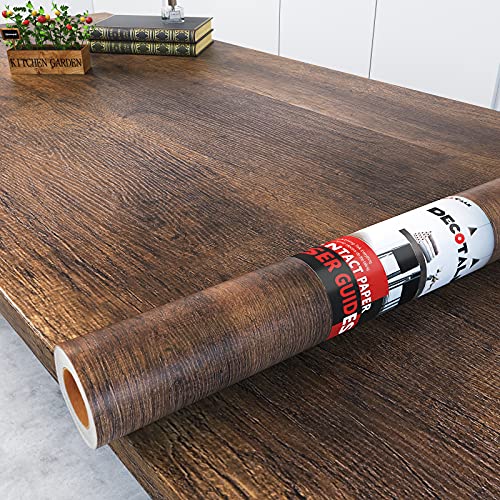
For a quick and affordable upgrade, consider applying adhesive vinyl to your surfaces. Start by measuring the area to ensure you purchase the right amount of material–typically, you’ll want to allow for a few extra inches on each side for adjustments.
Thoroughly clean the surface before application. Dirt and grime can prevent proper adhesion, leading to bubbles or peeling over time. A gentle cleaner will do the job, but be sure to dry the surface completely.


Once everything is prepped, peel a corner of the vinyl and align it with your starting point. Use a flat edge, like a credit card, to smooth out the material as you proceed; this will help eliminate air bubbles and ensure a sleek appearance. Take your time, and don’t rush the process to achieve the best results.
Techniques for Applying Adhesive Vinyl to Surfaces
I recommend beginning by thoroughly cleaning the surface to ensure maximum adhesion. Use a gentle cleaner and a cloth to remove dirt and oils. Dry completely before proceeding.
Prepare your material by measuring the dimensions of the area you wish to cover. Cut the film slightly larger than these measurements to allow for adjustments during application.
To reduce air bubbles, peel back just a segment of the backing on one edge. Align this edge carefully against the edge of the surface, applying gentle pressure as you work your way across.
If wrinkles appear, lift the material carefully and reapply. A smoothing tool or a credit card can aid in pressing out air pockets and ensuring a flat finish.
Finish by trimming any excess with a sharp utility knife, ensuring clean lines along the edges for a polished look. Allow the adhesive to set as per the manufacturer’s instructions for best results.
Choosing the Right Contact Paper for Your Furniture
Opt for a product that complements your interior style. Consider colors, patterns, and textures; minimalistic designs fit contemporary spaces, while bold prints add character to traditional settings.
Durability and Texture
Select a material that withstands wear and tear. Vinyl options are often resistant to moisture and scratches, making them ideal for high-traffic areas. Textured finishes can provide a more upscale appearance, while smooth surfaces may simplify cleaning.
Size and Application
Measure surfaces accurately before purchasing. Many brands offer rolls in various widths and lengths, ensuring you avoid excess waste. If you’re a beginner, choose a self-adhesive variant that simplifies the application process.
- Check for thickness; thicker options provide better coverage.
- Look for repositionable adhesive features for easier adjustments.
- Consider how well the adhesive will bond to your specific material; test a small area first if unsure.
Review product reviews and ratings to gauge user satisfaction. Reliable feedback can reveal potential issues or highlight standout features that may influence your choice.
Preparing Your Furniture Surface for Application
Thoroughly clean the surface is the first step. I use a mixture of mild soap and water, ensuring all dust, grease, and residues are removed. A lint-free cloth works wonders for achieving a spotless finish.
Next, any previous finish or coating should be sanded down. This creates a better bonding surface for adhesion. I prefer fine-grit sandpaper to avoid scratches and ensure smoothness.
After sanding, vacuum the area to eliminate any dust particles. This ensures that no debris interferes with the adhesion process.
Check for imperfections like scratches or dents. I recommend filling these with wood filler and sanding them flush once dry, as this creates a uniform surface for the adhesive material.
If the surface is glossy, I lightly sand it to create texture, which enhances grip for the adhesive layer. Finally, wipe the surface down with a clean, damp cloth and let it dry completely before proceeding.
Measuring and Cutting Contact Paper Accurately
To achieve precision, I always begin by measuring each surface meticulously. Using a measuring tape, I gather the dimensions of the piece, ensuring to note the height, width, and any unique features such as curves or edges.
Next, I transfer these measurements onto the adhesive material. I prefer to lay the self-adhesive sheet on a flat surface and utilize a straight edge or ruler to create clear guidelines. This step prevents any crooked lines, ensuring a clean cut.
When cutting, I opt for a sharp utility knife or scissors specifically designed for craft projects. For enhanced accuracy, I align the blade with my measurements, firmly holding the ruler to avoid slippage. I make long, even cuts to prevent jagged edges.
To accommodate corners or intricate areas, I cut small notches or make relief cuts, allowing the material to conform smoothly to the surface contours. Before removing the backing, I carefully check that each section fits correctly.
Finally, to minimize errors, I always leave a little excess around the edges. This extra material can be trimmed after application, ensuring a perfect fit and avoiding mishaps during placement.
Applying Contact Paper Without Air Bubbles
To achieve a smooth finish, I use a plastic squeegee or a credit card to gently press out any air. Start at the center and work your way toward the edges, ensuring that no air is trapped underneath the surface covering. This method distributes pressure evenly and minimizes the chances of bubbles forming.
Preparation Techniques
Before laying down the adhesive layer, I ensure the surface is clean and dry. Dust, dirt, or moisture can lead to adhesion issues and bubble formation. Wiping down the area with a mild cleaner and a lint-free cloth helps eliminate any potential contaminants.
Layering and Adjustment
After applying the first section, I peel back the backing gradually. If I notice a bubble forming, I carefully pull back the covering slightly and reapply it, using the squeegee to push out the air. This technique helps in achieving a flawless application.
If the temperature is cool, I heat the material with a hairdryer on a low setting while smoothing it out. This increases flexibility and can help eliminate minor bubbles as I work. Adjusting the temperature of the material allows it to conform better to any curves or edges.
Trimming Excess Adhesive Material Neatly
For a polished look, using a sharp utility knife or a pair of heavy-duty scissors is crucial. Ensure the blade is new to prevent jagged edges and achieve clean lines. Always cut away from yourself to maintain safety.
Start at one corner of the surface, pulling the adhesive carefully while trimming along the edge. This will minimize the risk of tearing the material. I often use a metal straightedge as a guide for accurate cutting; it helps in keeping the blade steady and aligned.
Pay special attention to corners. Instead of trying to trim too close, I recommend leaving a slight overhang that can be folded down neatly, which helps hide the rough edges. For rounded surfaces, consider making small cuts along the perimeter to allow the material to bend easier without creasing.
In case of any irregularities, a small touch-up with a craft blade can perfect the look–just be gentle to avoid cutting into the surface beneath. If any bubbles or wrinkles occur during this step, smoothing them out before finalizing the cut will ensure a flawless finish.
Finally, regularly step back to assess your work from different angles. It’s easy to miss small imperfections, and doing a visual check ensures everything appears seamless and well-finished.
Sealing Edges for a Professional Finish
To achieve a polished look, I always apply an extra layer of adhesive along the edges after finishing the initial application. This guarantees that the material stays securely in place and prevents peeling over time. I recommend using a clear adhesive or a specific edge banding glue that matches the finish of the surface.
After the adhesive is in place, I press down firmly using a plastic scraper or a similar tool, ensuring that the edges are well-sealed and pressurized to eliminate any gaps. Once the glue has dried, I inspect the edges closely for any imperfections or bubbling.
If I notice any air pockets, I gently lift the edge and reapply adhesive before pressing down again. For a seamless appearance, I often trim any excess material slightly beyond the edge and carefully sand it down for an ultra-smooth finish.
Lastly, I might consider adding a protective sealant over the edges. This adds an additional layer against wear and tear, while also enhancing the durability of the surface. When applying the sealant, I take care to follow the manufacturer’s instructions for the best results.
Maintaining and Cleaning Wrapped Surfaces
To ensure longevity, I recommend regular cleaning using a damp cloth and a mild detergent. Avoid abrasive cleaners that can scratch the surface, as they may damage the finish. Gentle materials like microfiber cloths work best for this purpose.
Daily Care Tips
Dust the surfaces frequently to prevent accumulation. Keeping items off the surface as much as possible will minimize wear and tear.
| Cleaning Method | Recommended Cleaning Agent | Frequency |
|---|---|---|
| Wipe Down | Mild detergent and water | Weekly |
| Deep Clean | Vinegar and water solution | Monthly |
| Spot Clean | Rubbing alcohol | As needed |
Handling Damage
If I notice any peeling or bubbling, I ensure that the affected area is pressed down firmly. For stubborn areas, a heat source, such as a hairdryer on low, can help soften the adhesive for a stronger bond. Always test in an inconspicuous spot before applying heat directly.
Removing Contact Paper Safely Without Damage
Begin by heating the surface gently using a hairdryer, focusing on the edges. This softens the adhesive, making removal easier.
- Choose a corner to lift. Utilize a plastic scraper or your fingernail for precision.
- Gradually pull away from the surface at a low angle to prevent tearing.
If resistance is encountered:
- Reapply heat as necessary.
- Use the scraper to assist in lifting while maintaining an even pull.
Dealing with Residue
If adhesive remains, dab the area with a cloth soaked in warm soapy water or a vinegar solution. Allow it to sit briefly, then gently scrub. For tougher spots, utilize rubbing alcohol or commercial adhesive removers, ensuring to follow manufacturer instructions. Test on a small area first to avoid discoloration or damage.
After removal, clean the entire surface with a mild cleaner to eliminate any leftover residue. This ensures a fresh start for future projects.


