
 Caleb Turner
To achieve a subtle hue on your natural surfaces, mix equal parts of water and a high-quality latex paint in your desired color. This blend will allow the grain to remain visible while adding a refined touch. Use a clean cloth or brush to apply the mixture evenly, making sure to work in the direction of the grain for the best results.
After applying the tint, it’s crucial to allow it to dry completely; this typically takes a few hours. Once dry, lightly sand the surface with fine-grit sandpaper to achieve an even smoother texture. Follow up by wiping the area with a damp cloth to remove any dust particles from sanding.
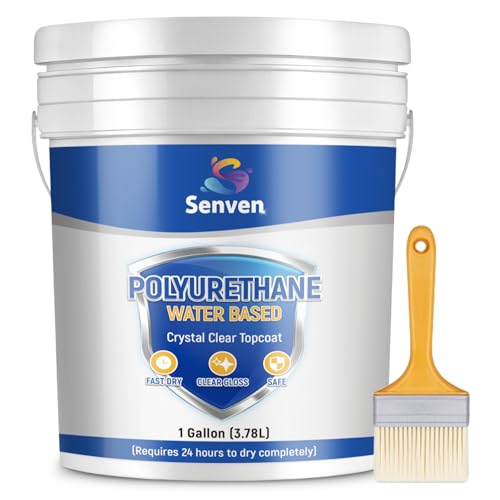
For added protection and durability, consider applying a clear topcoat. A water-based polyurethane will maintain the aesthetic while providing a resilient layer against scratches and stains. Apply it using a high-quality brush, always working with the grain.


Method for Lightening Wood Surfaces
I recommend using a mixture of equal parts water and white paint for the initial layer. Begin by testing the solution on a small, inconspicuous section to assess the resulting color. Utilize a clean, soft cloth or sponge to apply the mixture, ensuring even coverage without saturating the wood. Allow it to dry completely before proceeding.
Techniques for Enhanced Appearance
If the initial coat seems too faint, dilute the mixture a bit further for subsequent layers. For a more textured effect, consider lightly sanding the surface after each coat is dry. This approach helps to add depth while allowing the natural grain to peek through, achieving a pleasing aesthetic. Keep layers thin to maintain a delicate finish.
Final Touches for Protection
<pOnce the desired shade is achieved, seal the surface with a clear matte varnish or topcoat. This step protects the finish while ensuring durability. Apply the sealant in thin, even strokes and allow it to cure fully according to the manufacturer’s guidelines. Regular maintenance will prolong the life of the treated surfaces.
Selecting the Right Timber for Distressing
For a successful outcome, I prefer fine-grained species such as oak or maple. These types not only absorb the finish well but also provide a beautiful contrast after treatment.
- Oak: The open grain of oak allows for a rustic appearance, enhancing the character of the piece.
- Maple: A smoother surface ensures an even application, resulting in a refined aesthetic.
- Pine: An affordable choice with natural knots, it adds a unique texture, perfect for creating a cozy vibe.
- Birch: With its pale color, birch accepts finishes uniformly and brightens up any space.
Choosing reclaimed wood can also yield great results. It often comes with history and unique markings that enhance the final look.
- Consider the grain pattern: Choose wood that matches your desired aesthetic.
- Evaluate the hardness: Softer woods can dent easily, while hardwoods provide durability.
- Inspect for imperfections: Look for knots or blemishes that may affect the final appearance.
Before making a final decision, test a small sample to see how the particular type responds to the treatment. This ensures the visual effect aligns with your vision.
Preparing Your Timber Furniture for White Wash
First, I ensure that the surface is entirely clean. I use a damp cloth to remove any dust and dirt. For stubborn grime, a mild soapy solution works wonders. After washing, I let the piece dry completely to avoid trapping moisture underneath the finish.
Next, I assess the surface condition. If there are old finishes, like varnish or paint, I use a fine-grit sandpaper to gently sand them away. This step is crucial for proper adhesion of the new finish. I focus on creating a smooth surface; any imperfections may be highlighted once the light color is applied.
For optimal results, I check for any scratches or dents. If needed, I fill these imperfections with wood filler, ensuring a seamless appearance after the application. Once dry, I sand the filled areas to match the surrounding surface.
Before proceeding, I always apply a test coat on a small, inconspicuous area. This allows me to gauge how the finish interacts with the wood and if adjustments are needed in the dilution of the wash mixture.
| Step | Action |
|---|---|
| 1 | Clean the surface |
| 2 | Sand away old finishes |
| 3 | Repair scratches/dents |
| 4 | Test coat application |
Choosing the Best White Wash Formula
For achieving a beautiful finish, I opt for a mixture of one part paint to one part water. This combination allows the grain to show through while maintaining a lightened effect. For a more textured look, I sometimes add a tablespoon of cornstarch to create a thicker consistency.
Types of Paints
- Latex Paint: This is my go-to for interior projects, as it’s easy to clean up with soap and water.
- Chalk Paint: I favor this for its matte finish, which provides a more rustic appearance.
- Milk Paint: For a natural option, I occasionally use milk paint; it gives a unique, soft finish that’s eco-friendly.
Additional Ingredients
- Stain: Mixing a wood stain can add depth to the effect. I recommend using a light stain to maintain brightness.
- Varnish: Adding a clear coat afterwards enhances durability, especially for high-use items. I prefer a water-based varnish for easy application.
Testing the formula on a small piece before applying it to the entire surface is essential. This practice allows me to adjust the mixture to achieve the desired opacity and finish. Experimenting with different formulas can yield varied and beautiful outcomes, each tailored to specific projects and personal preferences.
Applying the White Wash Technique on Timber
To achieve a balanced and consistent finish, I prefer to use a clean, soft brush or a roller to apply the mixture. Working in small sections ensures even coverage. I start at one edge and move across, using long, smooth strokes to avoid streaks. After applying the mixture, I quickly wipe off excess with a lint-free cloth to let the grain show through while maintaining that desired lightened effect.
Once I’ve completed applying the mixture, I allow it to dry fully, which typically takes a few hours. After drying, I assess the coverage. If I want a more pronounced effect, applying a second coat is simple. I repeat the same application method, focusing on areas that need more brightness.
For added depth, I sometimes incorporate a light sanding between coats using fine-grit sandpaper. This not only smooths out any imperfections but also helps achieve a better adherence with subsequent applications.
Finally, after achieving the desired look, I finish with a protective topcoat. This step is crucial to safeguard the finish from wear and tear, ensuring a long-lasting, attractive appearance. I choose a matte or satin finish based on the look I want to maintain, carefully applying it with the same technique used for the previous layers.
Finishing Touches: Sealing and Protecting the White Wash
For optimal durability, I recommend applying a sealer after achieving the desired look. This step preserves the appearance and extends the life of the finish. Use a water-based polyurethane for a clear, non-yellowing coat.
Make sure the surface is clean and free of dust before sealing. Lightly sand the surface with fine-grit sandpaper (around 220 grit) to enhance adhesion. Wipe away any debris with a damp cloth to ensure a smooth finish.
Apply the sealer with a foam brush or a lint-free cloth to avoid brush marks. I typically use long, even strokes, allowing each layer to dry for at least two hours. Depending on the humidity and temperature, drying times can vary, so keep an eye on it.
After the first coat, I recommend applying 2-3 additional layers for enhanced protection. Lightly sand between each coat with fine-grit sandpaper, ensuring a consistent finish. For high-traffic surfaces, consider a matte or satin sheen, as they tend to hide imperfections better than glossy finishes.
Once all layers are applied and dried, allow the piece to cure for several days before heavy use. This ensures all layers fully bond and harden, protecting the finish against scratches and stains.
Regular maintenance will keep the piece looking fresh. Clean with a soft cloth and mild soap solution, avoiding harsh chemicals that can damage the surface. Every few years, consider reapplying the sealer to maintain its protective qualities.
Common Mistakes to Avoid When Achieving a Light Finish
Avoid using an overly thick mixture, as it can obscure the grain of the wood and create an unnatural appearance. Instead, aim for a more diluted solution for a balanced look.
Skipping the preparation phase is another pitfall. Properly sanding and cleaning the surface ensures better adhesion and enhances the final result. Any residue or imperfections will show through the finish, compromising the aesthetic.
Ignoring Test Swatches
Always conduct test swatches on a less visible area or a scrap piece. Each type of wood absorbs the mixture differently; without testing, you may end up with an undesired outcome.
Neglecting Proper Application Techniques
Rushing the application can lead to streaks and uneven distribution. Use a brush or rag in a controlled manner, applying in thin layers for optimal results.
Failing to seal the finished piece leaves it vulnerable to stains and damage. A protective topcoat ensures longevity and maintains the integrity of the finish.
Finally, overlook drying times at your own risk. Each layer requires adequate time to dry before adding more to prevent smudging or lifting of previous coats.
Maintaining the Look of White Washed Furniture
Regular dusting with a soft, dry cloth preserves the appearance of your piece. Avoid abrasive cleaners, as they can damage the finish. Instead, opt for a damp cloth when needed, ensuring the surface is dried immediately.
Preventing Damage
To maintain the integrity of the finish, place coasters under beverages and avoid exposing the surface to direct sunlight. Prolonged exposure can lead to fading.
Refreshing the Finish
Over time, I find that applying a light coat of protective sealer every year helps to rejuvenate the surface. Choose a product compatible with your existing layer to ensure seamless results.
FAQ:
What materials do I need to white wash timber furniture?
To white wash timber furniture, you’ll need a few basic materials. First, gather white paint or whitewashing stain. You can also use water-based paint for a more transparent look. Next, you’ll need a paintbrush or a rag for applying the whitewash. A sandpaper or sanding block is important for preparing the surface of the furniture. Additionally, having a clean cloth on hand for wiping off excess paint will be helpful. Finally, a clear sealant is advisable to protect the finished surface.
Can I white wash furniture made from different types of wood?
Yes, you can white wash furniture made from various types of wood. However, the final appearance may differ depending on the wood’s natural color and grain. Softer woods like pine tend to absorb whitewash well, resulting in a lighter, rustic look. Hardwoods, such as oak or maple, may require more coats for the same effect. Always test the whitewash on a small, inconspicuous area to see how it interacts with the wood before applying it to the entire piece.
Is white washing furniture a permanent finish?
White washing is not necessarily a permanent finish, as it can be altered or removed later if desired. The longevity of the whitewash depends on the type of paint used and how well it is sealed. Applying a clear varnish or topcoat after the whitewash process can protect it from wear and tear. If you ever want to change the look, you can sand it down and repaint it. So, while it creates a lasting effect, it’s also flexible for future changes.
How do I prepare my timber furniture for white washing?
Preparing your timber furniture for white washing is crucial for achieving a great finish. Start by cleaning the surface to remove any dirt or grease. Then, sand the furniture lightly to create a smooth surface and help the whitewash adhere better. Always sand in the direction of the grain to avoid scratches. After sanding, wipe down the furniture with a damp cloth to eliminate dust particles. This preparation ensures that the whitewash will go on evenly and adhere properly.
Do I need to apply a protective coat after white washing furniture?
Applying a protective coat after white washing is highly recommended. While whitewash offers a nice aesthetic, it doesn’t provide much protection. A clear polyurethane or similar sealant can enhance durability and prevent damage from spills or scratches. Choose a matte finish if you want to maintain the rustic look of whitewash. Allow the whitewash to dry completely before applying the protective coat to ensure it adheres well.
What materials do I need to whitewash timber furniture?
To whitewash timber furniture, you’ll require a few materials. You will need white paint (water-based or latex is ideal), water, a mixing container, a sponge or brush for application, fine-grit sandpaper, and a protective finish like clear sealant. If your timber is already stained or varnished, you may also need a stripper or sandpaper to prepare the surface properly. It’s important to gather these items before you begin the process to ensure you have everything at hand.


