
 Caleb Turner

To create comfort and aesthetics in your backyard or patio, selecting high-quality materials is key. Rattan, wicker, or synthetic fibers offer durability and resilience against the elements. I always recommend checking for UV resistance and waterproofing to extend the life of your seating arrangements.
Begin constructing the frame using strong materials like aluminum or treated wood, ensuring stability and strength. Once the structure is ready, start with the bases, then layer your chosen material around it systematically. Use a combination of tight and loose patterns for a balanced look, allowing for both structure and style.

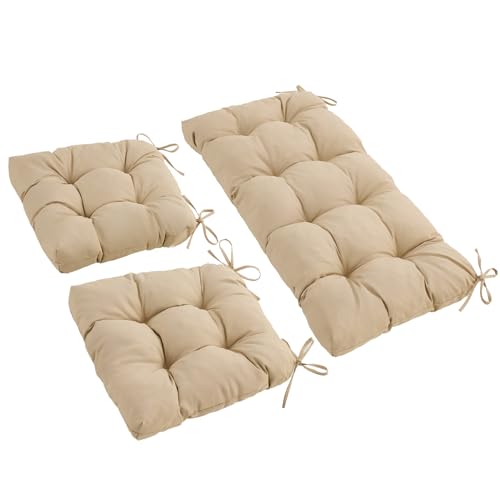
Adding cushions not only enhances comfort but also allows for personalization in terms of color and pattern. Opt for weather-resistant fabric to maintain appeal and functionality. Overall, thorough preparation and attention to detail make the difference in crafting inviting and durable outdoor pieces.
Crafting Your Assembled Seating
Begin with a quality framework, as this will determine the durability and comfort of the seating. Select materials like aluminum or treated wood, which withstand weather and resist decay. Pre-drill holes to avoid splitting the wood, ensuring accurate measurements beforehand.
Choosing the Right Material
For the crafting element, synthetic strands offer longevity and require minimal maintenance. Natural fibers lack durability but present an appealing aesthetic. If selecting the latter, consider treatments to protect against moisture and UV damage.
Finishing Touches
Upon completion, ensure all connections are tight and inspect for sharp edges. Apply a weather-proofing sealant to enhance longevity. Consider adding cushions for comfort; choose coverings that repel water and are easy to clean.
Selecting the Right Materials for Outdoor Weaving
For durable outdoor creations, I recommend using high-density polyethylene (HDPE) or polypropylene. These synthetic fibers resist UV rays, moisture, and mildew, ensuring longevity while maintaining vibrant colors.
Natural Options
If I prefer a more organic aesthetic, teak and eucalyptus offer excellent options. These woods are naturally resistant to water and insects, making them suitable for outdoor environments. Regular oiling can enhance their appearance and extend their lifespan.
Metal Components
Incorporating aluminum or stainless steel frames adds structural integrity. Lightweight yet sturdy, aluminum prevents rust, while stainless steel is ideal for its strength and corrosion resistance. I often choose powder-coated finishes for added protection against the elements.
Lastly, selecting weather-resistant cushions crafted from solution-dyed acrylic fabrics enhances comfort and durability. This fabric choice prevents fading and facilitates easy cleaning, an essential factor for any outdoor seating solution.
Tools Needed for Weaving Outdoor Furniture
For creating stunning seating and tables, having the right tools is critical. Here’s a list of items that I found indispensable during my crafting process:
- Weaving Tools:
- Plastic or wooden needles for threading materials through the frame.
- Scissors to cut the synthetic fibers or natural cords to the desired lengths.
- Measuring tape to ensure uniform lengths and spacing when laying out the design.
- Tension Tools:
- Clamps or weights to hold materials in place while working.
- Rubber mallet for securing any loose ends without damaging the frame.
- Protective Gear:
- Gloves to prevent blisters from repetitive motion and to maintain grip.
- Safety glasses for protection against splinters or debris when cutting materials.
- Finishing Tools:
- Sanding block or electric sander for smoothing rough edges of the frame.
- Sealant or waterproof spray to protect the completed piece from weather damage.
With these tools, I confidently tackled my projects, ensuring every piece was constructed to last and visually appealing.
Preparing the Frame for Weaving
The first step I take in this process is ensuring the frame is clean and free of any debris or dirt. A spotless foundation guarantees that the materials adhere properly and increases the longevity of the finished piece. I use a damp cloth to wipe down all surfaces, paying special attention to joints and corners where dust tends to accumulate.
I then inspect the structure for stability. If there are any wobbly parts or loose connections, securing them with screws or wood glue is necessary. This not only reinforces the framework but also ensures safety during use.
Choosing the Right Finish
Applying a protective finish is next on my list. A weather-resistant sealant or outdoor-safe paint can significantly enhance durability. I usually opt for a spray or a brush-on sealant, ensuring even coverage to prevent moisture damage. This preparation step is crucial if the item will be exposed to the elements.
Measuring and Marking
Before I start laying down any materials, I measure and mark where the weaving will occur. Using a tape measure, I determine the spacing required for the woven sections, and I make light pencil marks on the frame. This simple act saves time and provides a clear guide for the upcoming work. Accurate measurements lead to a more polished final product.
With these preparations completed, I feel confident that the frame is ready for the next stage of creation. Each step plays a vital role in the overall outcome, and attention to detail makes all the difference in the crafting process.
Choosing the Weaving Technique: Wicker vs. Rattan
For projects requiring durability and an aesthetic appeal, I prefer rattan over traditional wicker. Rattan material comes from flexible palms, known for its robustness and resistance to moisture, making it ideal for items exposed to weather elements.
Wicker is not a material but a weaving process. It typically implies using various materials like willow or reed. While the crafting technique allows for intricate designs, it may not hold up well in high-humidity conditions without proper treatment.
When opting for rattan, its natural sheen adds an elegant touch. I appreciate its ability to be stained in various colors, allowing for customization. Additionally, rattan structures are lightweight, making transportation and rearrangement easy.
For a tighter weave that enhances durability, I find using rattan strips advantageous. The density of the strips creates a protective layer against wear and tear. This technique provides a sturdy framework that prolongs the life of the piece.
If intricate patterns are desired, I might choose wicker techniques, but I ensure to use weather-treated materials. This ensures longevity despite exposure to moisture. However, the trade-off is often a heavier finished product.
In conclusion, rattan is my go-to for creating resilient and visually appealing items, while wicker techniques serve well for decorative, lighter constructions. Prioritizing material properties directly impacts the longevity and overall success of the crafting endeavor.
Steps to Weave Seat Cushions and Backs
Begin by preparing the seat cushions and backs, measuring each piece of fabric to ensure a snug fit. Always allow extra material for seams.
- Cut the Fabric: Measure and cut your fabric according to the dimensions of the cushions and backs. Use a sharp fabric scissors for clean edges.
- Choose a Filling: Select a weather-resistant foam or batting for cushioning. Cut the filling to fit the cushions precisely.
- Assemble Layers: Place the filling between the outer fabric layers. Align the edges carefully for a neat finish.
- Sew the Edges: Using a sewing machine, stitch along the edges. A zigzag stitch can add extra durability against wear and tear.
- Add Fasteners: For removable cushions, attach Velcro or zipper closures to edges, ensuring easy access for cleaning.
- Prepare Back Support: For chair backs, repeat the previous steps. Ensure proper attachment methods are used to secure the backing.
- Final Touches: Inspect the finished product for any loose threads or imperfections. Trim excess fabric and threads to enhance the overall appearance.
After completing the cushions and backs, consider adding decorative elements like ties or unique patterns to elevate the aesthetic appeal.
Finishing Touches: Sealing and Protecting Your Work
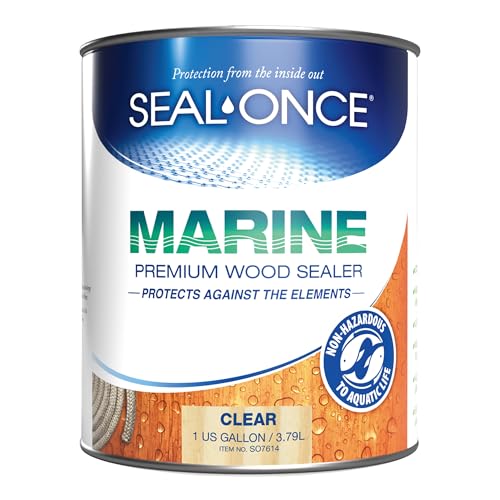
Apply a high-quality sealant designed for outdoor use to safeguard against moisture and UV damage. I choose a clear sealant that maintains the original color and finish of the materials while providing a barrier against the elements.
Before applying the sealant, ensure the structure is clean and free from dust. Use a damp cloth to wipe down all surfaces. Allow adequate drying time based on the product’s specifications. For effective coverage, use a brush or spray application, ensuring all areas are evenly coated.
Regular maintenance extends the life of the piece. Reapply sealant annually to ensure ongoing protection. For any damaged areas, sand lightly to smooth imperfections before resealing.
Consider adding furniture covers during harsh weather to shield the work from rain, snow, and intense sunlight. These covers prevent fading and wear while allowing ventilation to avoid mildew.
Additionally, check for rust or corrosion in metal components, treating with an appropriate rust-inhibiting spray. This helps maintain both functionality and aesthetics.
Finally, consider the use of outdoor cushions that are water-resistant and fade-resistant. This not only enhances comfort but also adds a layer of protection to the framework beneath.
| Materials | Application Method | Frequency |
|---|---|---|
| Clear Sealant | Brush or Spray | Annually |
| Rust-Inhibiting Spray | Spray | As needed |
| Protective Covers | On/Off as needed | During harsh weather |
Maintenance Tips for Longevity of Outdoor Seating
Regular cleaning is key. Use mild soap and water to wipe down surfaces, preventing dirt buildup and maintaining appearance. For tougher stains, consider a soft brush or sponge. Ensure all areas, including crevices, are free from debris.
Weather Protection
Invest in high-quality covers to shield pieces from rain, snow, and sun exposure. This simple measure reduces wear and prolongs the life of materials. If possible, store items indoors during harsh weather conditions.
Periodic Inspection
Check for signs of damage every season. Look for fraying, rust, or any loose joints. Promptly address any issues to prevent further deterioration. Tightening screws or replacing broken parts can extend usability significantly.
For wood structures, apply a protective sealant annually to guard against moisture. In contrast, synthetic options benefit from UV-protective treatments to reduce fading. A little maintenance goes a long way in preserving the quality of your seating.
FAQ:
What materials are best for weaving outdoor furniture?
When it comes to weaving outdoor furniture, several materials are particularly suitable. Synthetic fibers like polyethylene (HDPE) and polypropylene are popular due to their weather resistance and durability. These materials do not fade easily in sunlight and are resistant to moisture, making them ideal for outdoor use. Natural fibers such as wicker can also be used but tend to require more maintenance and care. It’s important to consider the climate and environmental factors in your area when choosing the best weaving materials.
How do I prepare the framework for weaving outdoor furniture?
Preparing the framework begins with selecting a sturdy base, which can be made from materials like aluminum, wood, or PVC. Make sure to clean the framework thoroughly to remove any dirt or debris. You might want to sand wooden frames for a smoother surface. If you’re using metal, a coat of waterproof paint can protect against rust. Ensure that the structure is stable and secure before starting the weaving process to guarantee a durable piece of furniture.
What techniques can I use for weaving outdoor furniture?
There are several techniques for weaving outdoor furniture, with the most common being traditional over-and-under weaving. This method involves alternating your material over and under each other to create a tight, sturdy pattern. You can also explore more intricate designs like herringbone or basketweave patterns for added visual interest. It’s helpful to practice your technique on a small scale before committing to a larger piece to ensure you achieve the desired look.
Can I weave outdoor furniture without prior experience?
While having prior experience can be beneficial, it is certainly possible to weave outdoor furniture as a beginner. Starting with simple projects, like small chairs or tables, can help you gain confidence and understand the basics. There are plenty of tutorials and guides available online that can walk you through the process step by step. Just remember to be patient with yourself and practice, as this will improve your skills over time.
What maintenance is required for woven outdoor furniture?
Maintaining woven outdoor furniture involves a few straightforward steps. Regular cleaning is essential; use mild soap and water to remove dirt and stains, and avoid abrasive cleaners that might damage materials. For synthetic fibers, simply hosing down the furniture occasionally can help prevent buildup. If using natural materials, consider applying a protective sealant or coating periodically to prolong their life. Additionally, store the furniture indoors or cover it during harsh weather conditions to minimize wear and tear.
What materials are best for weaving outdoor furniture?
When selecting materials for weaving outdoor furniture, it’s important to choose ones that can withstand the elements. Common options include synthetic fibers like polyethylene or PVC, which resist fading and mildew, and are more durable than natural fibers. Additionally, some craftsmen use natural materials such as rattan or wicker, but these may require more maintenance and protection from moisture. Metal frames are often used for added strength, while cushions should be made from quick-drying foam covered in weather-resistant fabric to enhance comfort and longevity.
Can I weave outdoor furniture myself, and what skills do I need?
Yes, you can weave outdoor furniture yourself, and it can be a rewarding project if you enjoy crafting. Basic skills required include knowledge of different weaving techniques, such as over-under patterns, and familiarity with using tools like scissors and a staple gun. It is also beneficial to have an understanding of design principles to ensure comfort and aesthetics in your finished piece. Tutorials and guides are available online, which can provide step-by-step instructions. With some practice and patience, you can create beautiful, functional furniture that enhances your outdoor space.


