Caleb Turner
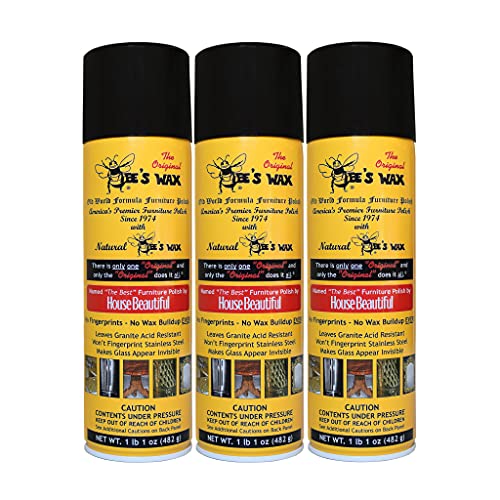
Begin with a thorough cleaning of your metallic items using a compatible cleaner. A mild dish soap diluted in water works well to eliminate dirt and grease. Rinse the surface with clean water and dry it completely to avoid trapping moisture.
Select a high-quality finishing cream designed for metallic surfaces. Apply a small amount onto a soft cloth or sponge, then buff the surface in circular motions. Make sure to concentrate on intricate designs to ensure even coverage.
Allow the treated surface to sit for a few minutes, letting the product penetrate. Then, take a clean cloth to polish the metal, enhancing its shine and protection against corrosion. This step not only beautifies but also extends the lifespan of your items.
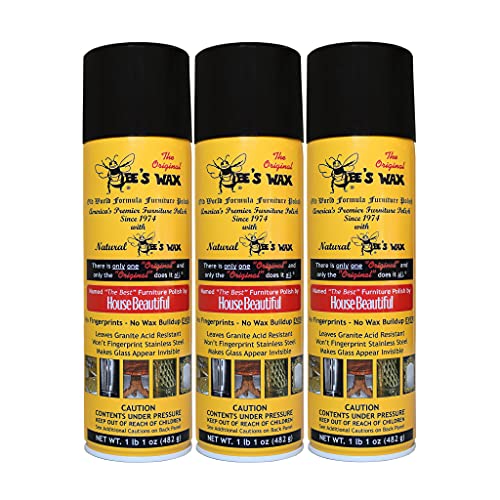

Regular maintenance is key. Repeat this process every few months to maintain the luster and condition of your metallic belongings. Keeping them coated prevents oxidation and maintains their appeal for years to come.
How to Maintain Your Metallic Pieces
To achieve a lasting shine on your metallic items, I recommend using a quality polishing compound specifically designed for this surface. Apply a small amount onto a soft cloth and rub it in circular motions to prevent streaks. Pay attention to any intricate designs or crevices, ensuring you get into every detail.
After applying the compound, let it sit for a few minutes. This allows the product to bond with the surface, enhancing the protective layer. Wipe off the excess gently with a clean cloth, buffing lightly to bring out the luster.
For maintenance, consider regular touch-ups every few months. This will keep your items looking fresh and well-cared-for. Additionally, avoid using abrasive materials, as they can scratch and diminish the finish.
Storing these pieces in a dry, controlled environment can significantly extend their life. If exposed to moisture or extreme temperatures, apply a protective coating to prevent oxidation. Choosing an appropriate cleaner tailored to non-corrosive surfaces is also advisable for regular dusting and light cleaning tasks.
Choosing the Right Wax for Metal
Opt for a natural or synthetic option specifically formulated for surfaces like steel or aluminum. Look for products enriched with carnauba or beeswax for added durability and shine.
Considerations for Selection
- Finish Type: Select between matte, satin, or glossy finishes based on your design preference.
- Application Method: Paste forms often allow easier application, while liquid versions can cover larger areas swiftly.
- Durability: Choose a long-lasting variant, especially if the piece is exposed to outdoor elements.
- Drying Time: Consider how quickly the formula dries, aligning it with your project timeline.
- Environmental Impact: Opt for eco-friendly options to reduce your ecological footprint.
Popular Brands
- Minwax – known for its ease of use and effective results.
- Rust-Oleum – provides reliable protection with its advanced formulations.
- Scotchgard – offers protective finishes that repel moisture and dirt.
- Johnson’s – a classic choice for a brilliant shine and ease of maintenance.
- Renaissance – features a specialized blend perfect for antiques and collectibles.
Evaluate these aspects to ensure the right choice complements the surface while enhancing its appearance and longevity.
Preparing Your Surface for Waxing
Begin with thorough cleaning. Use a mild detergent mixed with water and a soft cloth. Wipe down the entire area to eliminate dust, grime, and any residue. Rinse with clean water and dry with a lint-free towel to prevent water spots.
If there are stubborn stains or rust, consider using a fine steel wool or a citrus-based cleaner. Gently scrub the affected areas until they are clean, then repeat the rinsing and drying process.
Next, inspect the entire surface for scratches or imperfections. If found, use sandpaper to smooth out these areas. Start with a coarse grit and gradually move to a finer one for a polished finish. Always sand in the direction of the grain.
Once the surface is smooth, apply a suitable prep solution. This could be a solvent that removes any leftover oils or residues from your cleaning agents. Ensure the area is dry before proceeding.
Before applying any protective coating, check for compatibility through a small test patch in an inconspicuous area. This drastically reduces the chances of adverse reactions.
| Step | Description |
|---|---|
| Cleaning | Remove dust and grime using a detergent solution. |
| Removing Stains | Address stains or rust with steel wool or citrus cleaner. |
| Surface Inspection | Look for scratches and smooth them with sandpaper. |
| Prep Solution | Use a solvent to eliminate any oils. |
| Test Patch | Check compatibility with a small area before full application. |
Applying Wax: Techniques and Tools
For optimal results, I prefer using a soft, lint-free cloth or specialized applicator pads designed for this task. These materials glide smoothly over surfaces, ensuring an even application without risking scratches.
Application Techniques
- First Layer: I apply a thin, even layer of the chosen product, working in small sections. This ensures full coverage and allows for better adhesion.
- Circular Motion: Using a circular motion helps to work the substance into the surface. This aids in filling any fine scratches or imperfections.
- Buffing: After the initial application dries, I buff it with a clean, dry cloth to enhance the shine. Regular buffing not only brings out brilliance but also helps in the longevity of the finish.
Recommended Tools
- Applicator Pads: Foam or microfiber pads are effective for smooth application.
- Soft Cloths: 100% cotton or microfiber cloths work best for buffing and final touches.
- Brush: A soft-bristled brush is beneficial for getting into crevices or detailed areas.
Always remember to test on a small, inconspicuous area first, ensuring the effect matches my expectations before proceeding further. Consistent maintenance assures that surfaces remain protected and visually appealing.
Buffing Waxed Metal Surfaces
Begin with a soft, lint-free cloth. Microfiber works best for this task. Ensure that the surface is cool and free from dust. Lightly buff the coated areas using circular motions, applying gentle pressure. This technique will enhance the shine and remove any excess product that may have accumulated during the application.
Buffing Techniques
For a more polished look, consider using a hand buffer or drill attachment specifically designed for delicate surfaces. Set the tool to a low speed to avoid damaging the finish. Always keep the buffer moving to prevent heat buildup, which can lead to degradation of the coating.
Finishing Touches
After buffing, inspect the surface under good lighting. If any dull spots remain, repeat the buffing process on those areas. To maintain a consistent shine, I recommend buffing regularly and avoiding harsh chemicals that can degrade the protective layer.
Regular care and maintenance will ensure your items stay looking their best for years to come.
Maintaining Waxed Surfaces
I recommend regular upkeep every few months to maintain the protective layer. Begin by gently dusting the surface with a soft, dry cloth to remove any debris or dirt that may compromise the finish.
For deeper cleaning, use a damp cloth with a mild soap solution. After cleaning, make sure to dry the surface thoroughly to prevent moisture retention, which can lead to tarnishing.
Reapplication of the protective substance should occur when you notice a decrease in sheen or a rough texture. Using a clean applicator, apply a thin layer, ensuring even coverage and avoiding excess that might create buildup.
After reapplication, buff the surface using a soft, lint-free cloth. This process enhances the shine and ensures a smooth finish. For persistent scratches or scuffs, consider using a fine polishing compound specifically designed for metal surfaces.
Store pieces indoors and avoid exposing them to harsh weather conditions. For items used outdoors, consider a protective cover when not in use. This practice significantly extends their lifespan.
Troubleshooting Common Waxing Issues
If the finish appears dull, it could be a sign that the application was too thin. Ensure even coverage by layering a little more product, allowing it to cure before adding additional coats. The objective is to create a uniform sheen that enhances the base surface.
Dark spots or uneven patches might indicate inadequate cleaning prior to application. Scrub the surface thoroughly with a suitable cleaner to remove any dust or grease before reapplying. This ensures better adhesion and a more consistent finish.
Dealing with Residue
If a sticky residue develops post-application, it typically suggests an excess of the substance was used. Wipe the area with a clean, dry cloth to lift any surplus material. In more extreme cases, a very mild solvent may be required to remove stubborn areas before reapplying with a lighter touch.
Protecting Against Scratches
To prevent scratches or scuff marks, consider using felt pads beneath items placed on the surface. Regular maintenance with appropriate cleaners will help retain the integrity of the finish and protect it from everyday wear.