
 Caleb Turner

Begin your project by thoroughly cleaning the surfaces of your outdoor seating. A mixture of warm water and mild soap will effectively remove dirt and grime, ensuring that the new coating adheres properly. Rinse with clean water and allow the pieces to dry completely before proceeding.
Next, lightly sand the surfaces to create a smooth base. Use fine-grit sandpaper to avoid deep scratches; this step helps the finish to bond effectively. After sanding, wipe away any dust using a damp cloth for a clean application.
Select a high-quality, weather-resistant finish specifically designed for exterior use. Apply the first coat evenly with a brush, ensuring to cover all areas, including nooks and crannies. Allow the finish to dry according to the manufacturer’s instructions before applying a second coat for optimal protection against the elements.
Finally, remember to inspect your pieces regularly. If you notice any signs of wear, a quick touch-up will prolong their life and maintain their appearance. Regular maintenance allows you to enjoy your outdoor seating for many seasons to come.
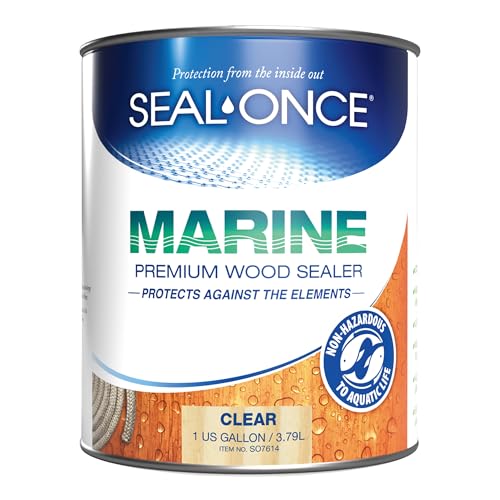


Varnishing Steps for Outdoor Trestles
Prepare the surface meticulously. I sand the wood using varying grits, starting from 80 and progressing to 220, ensuring a smooth finish while removing any old coatings. I make sure to wipe away dust with a damp cloth afterward.
I select a high-quality outdoor finish, checking for UV protection and water resistance. The choice of product can significantly influence durability and maintenance frequency. I opt for a satin or semi-gloss for a balanced look that highlights the wood grain.
In a well-ventilated area, I use a high-quality brush or foam applicator to apply the finish evenly. I work in long strokes along the grain, avoiding drips and puddles. Multiple thin coats are preferable; I typically apply at least three, allowing adequate drying time between each application according to manufacturer recommendations.
After finishing, I let the piece cure for several days before exposure to rain or direct sunlight. Regular inspection and touch-ups prolong the life of the treatment and maintain aesthetics. For any wear or minor damage, I lightly sand and reapply the finish only to the affected areas.
Selecting the Right Finish for Outdoor Use
I recommend using a product specifically designed for outdoor conditions. Look for finishes that offer UV protection and resistance to moisture. A polyurethane or marine-grade finish often provides superior durability and protection against the elements.
Types of Finishes
Oil-based finishes penetrate wood deeply and enhance its natural grain, while offering significant water resistance. However, they may require more frequent reapplication than other options.
Water-based finishes dry quickly and have lower levels of volatile organic compounds (VOCs). They are easier to clean up and provide a clear finish, allowing the wood’s character to shine through.
Application Considerations
Ensure the surface is clean and dry before applying any product. Multiple thin layers are better than a single thick one, allowing for better adhesion and a smoother finish. Prior to the final coat, sand lightly to remove any imperfections, which will help achieve a professional-looking result.
Check the manufacturer’s recommendations on drying time and reapplication intervals to maintain longevity. Selecting the right product becomes essential in preserving the beauty and functionality of your outdoor pieces.
Preparing the Surface of the Furniture
Begin with thorough cleaning. Remove dust, dirt, and any old finishes using a suitable cleaner. A mix of mild soap and warm water works effectively for this purpose. Use a soft cloth or sponge to avoid scratching the material.
Sanding the Surface
After cleaning, sanding is crucial. This step enhances adhesion and creates a smooth finish. Use medium-grit sandpaper (around 120 to 150 grit) for initial sanding. Follow up with fine-grit sandpaper (220 grit) to refine the surface.
- Sand with the grain to avoid scratches.
- Pay extra attention to corners and detailed areas.
- Remove any dust created by sanding using a vacuum or a damp cloth.
Checking for Damage
Inspect for any signs of damage, such as cracks, chips, or splinters. Fill in any imperfections with a suitable wood filler; ensure it’s flush with the surrounding material. Allow it to dry completely before proceeding.
Seal gaps with caulk if necessary, especially if the piece is made of different materials. This prevents moisture penetration and damage over time. Once completely dry, repeat the sanding process on the repaired areas.
/p>By following these steps, the surface will be adequately prepared for the application of the protective coating, ensuring a long-lasting and appealing finish.
Tools Needed for Varnishing Outdoor Seating
Gather these items for a successful application:
- Brushes: Use high-quality synthetic brushes for smooth application. Sizes should vary; a wider brush for large surfaces and smaller ones for detailed areas.
- Rollers: A foam roller can provide a quick method for covering flat surfaces. Ensure it has a short nap to avoid excess texture.
- Sandpaper: Select a range of grits from medium (120) to fine (220) for surface preparation and smoothing between coats.
- Stirring Stick: A wooden stick to mix the coating thoroughly before use is crucial for consistency.
- Clean Cloths: Lint-free cloths will help wipe down surfaces and remove dust before applying the finish.
- Drop Cloth: Use this to protect the surrounding area from splashes and spills.
- Protective Gear: Safety glasses and gloves are necessary to protect from staining substances.
- Vacuum or Shop Vac: Keeping the area free of debris will ensure a cleaner application.
Additional Recommendations
- Respirator Mask: This is vital if you’re working in a poorly ventilated area to avoid inhaling vapors.
- Painter’s Tape: Use this to mask off areas that should not be coated, allowing for crisp lines and neat work.
- Trays: A paint or stain tray is useful for easily accessing coating material without making a mess.
Step-by-Step Guide to Applying Varnish
Prepare your workspace by choosing a well-ventilated area to ensure proper drying. Set up a drop cloth to protect the ground from any spills.
Begin by stirring the chosen product thoroughly using a clean stir stick. This helps to mix any settled materials for an even application.
Using a high-quality brush or foam applicator, dip it into the mixture, removing excess liquid to prevent drips. Apply a thin, even coat, following the grain of the wood for best results.
Allow the first coat to dry completely, which varies based on the specific product used–consult the label for recommended drying times.
Once dried, lightly sand the surface with fine-grit sandpaper, focusing on any raised areas or imperfections. Wipe away the dust with a clean, damp cloth on a drying surface.
Apply a second layer using the same technique. Check for areas that may need additional attention or coverage and touch up accordingly.
After the final coat, let it cure for the time suggested, typically several days, before placing any items back on the surface.
| Step | Action |
|---|---|
| 1 | Set up workspace and protect surroundings |
| 2 | Stir product thoroughly |
| 3 | Apply first thin coat |
| 4 | Allow to dry completely |
| 5 | Sand lightly and clean |
| 6 | Apply second coat |
| 7 | Let cure completely before use |
Maintaining Proper Ventilation During Varnishing
Prioritize working in a well-ventilated space. Open windows and doors to create cross-ventilation. If indoors, use fans to enhance airflow and direct fumes outside.
Avoid working in confined areas or during windless days, as stagnation increases concentration of harmful vapors. Fresh air helps to disperse these fumes quickly, safeguarding your health.
Consider working outside on a mild, breezy day. This natural airflow not only aids in drying but also minimizes exposure to strong odor and chemicals.
Wear a mask rated for chemical vapors to protect respiratory health, especially if ventilation isn’t optimal. The right equipment can reduce discomfort and associated risks.
Monitoring temperature and humidity is vital–excess moisture can slow drying, while extreme heat may cause the finish to dry too quickly, compromising the results. Aim for stable conditions around 50-85°F with moderate humidity.
Understanding Drying Times and Conditions
Waiting for the finish to properly set is critical. Typically, a suitable time frame for drying is between 24 to 48 hours, depending on the product used and environmental conditions. Always refer to the manufacturer’s instructions for specific guidance.
Temperature plays a significant role in the drying process. Aim for a range between 50°F and 90°F (10°C to 32°C) for optimal results. Avoid applying the finish in high humidity or during wet weather, as moisture can affect curing times.
Humidity Levels
Monitor humidity levels carefully. High humidity can extend drying periods and might lead to issues such as bubbling or poor adhesion. Ideally, keep humidity below 70% during the application and initial drying phase.
Ventilation
Ensure adequate airflow in the workspace to facilitate efficient drying. Good ventilation helps evaporate solvents quickly, promoting a smooth finish. Using fans or opening windows can enhance air circulation without introducing dust or debris.
Applying Additional Coats for Durability
Applying multiple layers enhances protection and extends the lifespan significantly. I typically use two to three coats to achieve optimal results. Permit ample drying time between layers to ensure proper adhesion and durability.
Before adding more product, inspect the current layer for any imperfections, such as bubbles or drips. Lightly sand the surface with fine-grit sandpaper to create a smooth base for the next coat. After sanding, clean the surface thoroughly to remove dust particles.
In the case of an opaque finish, I find that brushing on additional coats provides a richer appearance and increases resistance to weather elements. For transparent products, I aim for an even application, ensuring that each layer is consistent in coverage.
Below is a table summarizing the recommended time intervals for drying between coats:
| Layer | Drying Time (Hours) | Additional Tips |
|---|---|---|
| First Coat | 4-6 | Inspect for bubbles; sand lightly if necessary. |
| Second Coat | 4-6 | Check for evenness; adjust application technique if needed. |
| Third Coat | 6-8 | Ensure complete dryness; consider final sanding for a smooth finish. |
After the final application, avoid placing the items outdoors immediately. Allow at least 48 hours for full curing, which bolsters the resilience against moisture and UV exposure. Regular maintenance evaluations will help in identifying the need for touch-ups or resealing in the future.
Tips for Preventing Common Varnishing Issues
Ensure the surface is free from dust and debris before starting any application. A clean surface reduces the likelihood of imperfections.
Avoiding Bubbles
Apply the finish using a synthetic brush or foam applicator. Traditional bristle brushes may trap air, leading to bubbles. If bubbles appear, lightly sand the area once it dries and reapply.
Preventing Marks and Streaks
Use even strokes when applying. Overlapping areas can cause visible marks. Work in sections and maintain a wet edge to blend applications seamlessly.
Monitor humidity levels; overly humid conditions can elongate drying times, resulting in dust attraction and uneven texture. Aim for a dry, temperate environment.
If temperature is too cold, the finish may not properly adhere. Ensure the ambient temperature is suitable according to the manufacturer’s recommendations for ideal application.
Regularly check for drips during the application process. This allows time to smooth out any excess before it sets.
Finally, to enhance durability, avoid exposing the surfaces to direct sunlight during the drying phase. Ultraviolet rays can adversely affect the curing process.
Cleaning and Caring for Varnished Items
Regular maintenance is key to ensuring the longevity of coated pieces. I recommend dusting with a soft, dry cloth to remove surface debris, avoiding any overly abrasive materials that could scratch the finish.
Routine Cleaning Steps
- For light cleaning, use a damp cloth with mild soap. Make sure to wring out excess water.
- Wipe in the direction of the grain to prevent streaks or damage.
- Dry immediately with a clean, soft cloth to avoid moisture accumulation.
Periodic Care
- Inspect for any signs of wear or damage regularly, as early detection can prevent further issues.
- Apply a specialized maintenance product designed for coated surfaces every couple of years or as needed.
- Avoid exposing pieces to harsh chemicals or prolonged sunlight, which can lead to fading and deterioration.
By adhering to these maintenance tips, I ensure that my outdoor pieces remain both functional and visually appealing throughout the seasons.
FAQ:
What materials do I need to varnish my garden furniture?
To varnish your garden furniture, gather the following materials: high-quality wood varnish suitable for outdoor use, a paintbrush or applicator, sandpaper (medium and fine grit), a clean cloth, and a drop cloth to protect the surface beneath your furniture. Additionally, it’s good to have a paint thinner or solvent if you need to clean your brushes after use.
How do I prepare my garden furniture for varnishing?
Preparing your garden furniture is crucial for a successful varnishing job. First, remove any dirt, dust, or debris by washing the furniture with soap and water. Make sure the furniture dries completely. Next, use sandpaper to lightly sand the surface, which helps the varnish adhere better. Be sure to smooth out rough spots and remove any old finishes if necessary. After sanding, wipe the surface with a clean cloth to eliminate any dust created during the sanding process.
How many coats of varnish are needed for the best protection?
The number of varnish coats you need can vary depending on the type of varnish used and the condition of the furniture. Typically, two to three coats are ideal for optimal protection against the elements. Allow each coat to dry thoroughly according to the manufacturer’s instructions before applying the next one. Applying multiple coats enhances durability and provides a more polished finish, making your furniture look and last better.
How long does it take for the varnish to dry completely?
Drying times for varnish can differ based on the brand and environmental conditions such as temperature and humidity. Generally, most varnishes will be touch-dry within a few hours, but it’s advisable to wait 24 hours before using the furniture. For complete curing, which means the finish has fully hardened, it can take anywhere from a few days to a couple of weeks. Always refer to the product label for specific drying and curing times to ensure the best results.


