
 Caleb Turner

Mix a small amount of epoxy compound according to the instructions on the label. Make sure to select a shade that matches the color of your item. I find that testing a tiny amount on an inconspicuous area can help ensure the perfect color match.
With a clean putty knife, apply the mixture directly into the damaged area, pressing firmly to ensure it fills the entire void. After smoothing the compound over the surface, allow it to cure completely, typically for 24 hours.
Once fully set, sand the repaired section lightly with fine-grit sandpaper, blending it seamlessly with the surrounding area. It’s beneficial to finish with a wood stain or sealant that matches the original finish to restore the piece’s luster.


Regular maintenance for wooden items can extend their lifespan and maintain their aesthetic appeal. Keeping the surfaces clean and applying protective coatings as needed will help minimize future blemishes.
Choosing the Right Wood Filler for Your Furniture Type
Select a formulation based on the specific type of timber in your piece. For softwoods such as pine or cedar, a water-based compound is often suitable due to its ease of application and quick drying time. On the other hand, hardwoods like oak or maple typically benefit from a solvent-based choice, which offers superior adhesion and durability.
Consider the color match as well. Many products come in a variety of shades, allowing for closer alignment with the natural hue of your item. Custom-tinting can also be an option if an exact match is paramount. Always test a small area first to ensure the selected color blends seamlessly.
Check the texture as well. If the surface is smooth, a finer-grade filler will be more effective. For rougher finishes, look for a coarser option that can fill larger gaps without compromising the structure.
Finally, assess the intended use of the item. High-traffic pieces like tables or chairs may require a more resilient product that can withstand wear, while decorative items can make do with something less robust. Select accordingly to preserve the integrity and longevity of your cherished possessions.
Preparing the scratched surface before application
Clean the area thoroughly before any remedial action. Dust, dirt, or grease can interfere with adhesion.
Here’s a step-by-step approach:
- Wipe down the affected region with a damp cloth to remove surface debris.
- If necessary, use a mild detergent solution for stubborn stains. Make sure the area is rinsed well and completely dry afterward.
- Inspect for any loose finish or splinters; gently sand the edges with fine-grit sandpaper to create a smooth transition. This step prevents any imperfections from showing through later.
- Once sanded, clean the area again to remove any dust particles that may have accumulated during the sanding process.
After these preparations, ensure the environment is suitable. Good lighting will help you see any remaining imperfections that might need attention.
Testing the surface
Before proceeding, consider testing the product in an inconspicuous area. Apply a small amount to ensure compatibility and to check that the final result will match the surrounding finish.
Final checks
Confirm that the surface is not only clean but also dry and smooth before beginning the application process. Any remaining imperfections can affect the outcome, so take the time to prepare adequately.
Step-by-step guide to applying wood putty
First, gather your tools: a putty knife, clean cloth, and fine-grit sandpaper. I prefer a knife that has a flexible blade, making it easier to work with the compound.
Next, take a small amount of the filler and place it on the knife. Carefully apply it into the damaged area, pressing firmly to ensure it fills the scratch completely. I find it helpful to work in a circular motion to get an even application.
Once the spot is filled, scrape off any excess with the edge of the knife, making sure the surface is as flat as possible to avoid additional sanding later.
Let the compound dry according to the manufacturer’s instructions. In most cases, this will take a few hours. During this time, I recommend checking back occasionally to ensure it’s setting evenly.
After drying, gently sand the area with fine-grit paper until it’s smooth and level with the surrounding surface. This step is crucial for blending the repair seamlessly with the rest of the piece.
Finally, clean the area with a cloth to remove any dust from sanding. If desired, I apply a matching finish or polish to restore the piece’s original luster. This brings everything back together beautifully.
Techniques for Smoothing and Leveling the Compound
To achieve a seamless finish, I begin by ensuring that the compound is applied generously but not excessively, allowing it to fill the imperfections without overflowing. Once I’ve applied the mixture, I prefer using a straight edge or a putty knife for leveling the surface. This helps in scraping off any excess and creating an even surface.
Sandpaper and Abrasive Techniques
After the initial drying period, I take a fine-grit sandpaper (around 220 grit) to gently sand the area. I make sure to use light pressure, moving in a circular motion to feather the edges into the surrounding area. This step is crucial for blending the repair with the original finish.
Finishing Touches
For the final touch, I focus on polishing the repaired sections. Using a sanding sponge can help me achieve a smooth texture, especially on curved surfaces. After sanding, I wipe the area clean with a damp cloth to remove any dust before applying a finish that matches the existing surface. This step ensures that the repair is practically invisible and enhances the overall aesthetic.
Color Matching Wood Putty to Your Furniture Finish
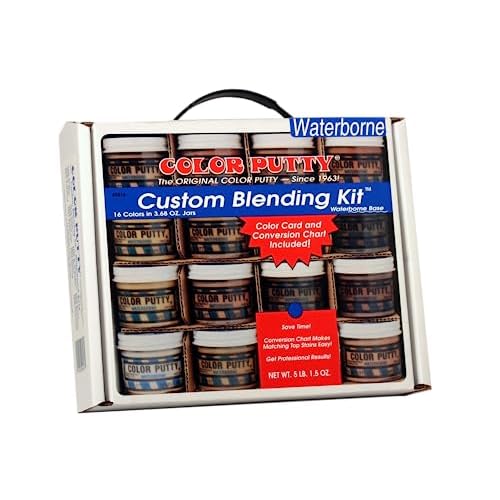
Choosing a color that harmonizes with the existing surface is crucial. I typically bring a small sample of the item needing repair when selecting the filler. Natural light reveals the true color, so I check it under different lighting conditions.
I often find it beneficial to have a variety of shades on hand. If the exact match is unavailable, I mix a couple of shades together to achieve the desired tone. Experimenting on a hidden area or excess material gives me a better idea of how it will look once dried.
Once I’ve found the closest shade, I apply it to the scratched area and observe how it interacts with the surrounding finish. If there’s a discrepancy, I can adjust it with a light sanding, followed by a new application of the blended filler. This allows me to layer until I achieve a seamless match.
Finish the process by sealing the filled area with a similar topcoat to further ensure uniformity. Matching not only the base color but also the sheen makes a notable difference in the final appearance.
Drying Time and Curing Process for Wood Filler
Typically, I find that the drying period for most fillers ranges from 30 minutes to several hours, depending on factors like humidity and temperature. It’s crucial to adhere to the manufacturer’s recommendations for optimal results.
During the initial drying phase, it’s essential to avoid any disturbance to the repaired area. Here are some key points to consider:
- Wait at least 30 minutes before lightly touching the area.
- Avoid sanding until the filler has fully dried to the touch.
- Thicker applications may require extended drying times, often up to 24 hours.
The curing phase is when the compound hardens fully and achieves maximum strength. This can take anywhere from a few hours to several days based on the specific product and conditions. To ensure optimal curing:
- Keep the environment well-ventilated to facilitate drying.
- Avoid exposing the area to moisture or temperature fluctuations during this period.
- Check for hardness by gently pressing the surface; if it feels firm and not tacky, it is likely fully cured.
For best outcomes, I always allow additional time beyond the minimum suggested drying duration before proceeding with any finishes or further sanding. Investing time in this process leads to a smoother, more durable repair that blends seamlessly with the surrounding surfaces.
Sanding for a Seamless Finish
Begin with a medium-grit sandpaper, like 120 grit, to carefully smooth the surface once the filler has completely dried. Ensure the area is well-ventilated, as dust can accumulate. Apply gentle pressure, moving in the direction of the grain to avoid scratches.
After achieving a smooth surface, switch to a finer grit, such as 220 or 320, for a polished finish. This step will help blend the filled area with the surrounding material, creating an invisible repair. Consistent, light sanding strokes will yield the best results.
Regularly check your progress by wiping away dust with a clean, dry cloth. This helps ensure you can see any imperfections before proceeding further. If necessary, repeat the filling and sanding process until you achieve the desired level of smoothness.
To finish, consider using a sanding sponge for contours or edges to maintain an even surface outline. After your final touch, clean the area to remove any debris, preparing it for staining or varnishing.
| Step | Grit Type | Action |
|---|---|---|
| 1 | 120 | Smooth surface with light pressure |
| 2 | 220 | Polish for seamless blending |
| 3 | Sanding sponge | Ensure contours are even |
By following these guidelines, a flawless and cohesive surface will enhance the overall appearance, ensuring the repair is virtually undetectable.
Sealing and finishing the repaired area
First, I ensure the repaired spot is completely dry and well sanded. I apply a clear sealant or top coat compatible with the surrounding finish for protection. Using a small brush for precision, I cover the area lightly, making sure to blend with adjacent surfaces.
After the initial coat has dried, I inspect for any imperfections. If necessary, I lightly sand the area again to achieve a smooth texture. This helps in achieving a seamless transition between the repaired and original surfaces. One or two additional coats may be applied, depending on the desired sheen.
When the final coat is applied, I allow adequate drying time as recommended by the manufacturer. This is crucial for the durability and appearance of the work. If the furniture has a specific sheen, I may consider buffing the area gently with a soft cloth once everything is fully cured to enhance the finish.
Common mistakes to avoid when applying filling compound
Avoid using the product straight from the container without mixing. Always stir it well to achieve a uniform consistency. This ensures better adhesion and a smoother finish.
Don’t overfill the damaged area. Apply only as much as needed to get a flush surface. Excess material will require more sanding and can lead to uneven patches.
Be cautious with application tools. Using a tool that isn’t suited for the task can result in rough edges. A putty knife with a flexible blade is ideal for achieving a smooth application.
Don’t rush the drying process. Ensure the mixture cures completely according to the manufacturer’s instructions before proceeding to sanding. Premature sanding can lead to messier results.
Neglecting color matching can ruin the repair. Always test the hue on a small, inconspicuous area first to verify it blends well with the surrounding surfaces.
Avoid using too much pressure while sanding. Light, even strokes work best to prevent removing too much material and damaging adjacent areas.
Lastly, skip sealing the repaired area. It’s crucial to finish the work with an appropriate sealant to protect the patch and enhance its longevity.


