
 Caleb Turner

If you’re looking to refresh your pieces with a soft, matte appearance, the key lies in preparation and application techniques. I always ensure the surface is clean and free from grease or old finish. Sanding lightly helps the new layer adhere better, while cleaning with a damp cloth removes any dust.
After prepping, I choose a high-quality brush for smooth application. Working in long, even strokes allows the mixture to spread evenly. I prefer to apply multiple thin layers rather than one thick one. This not only enhances the texture but also ensures better durability.
Between coats, I allow ample drying time. In my experience, this step prevents any chalky residue and promotes a more refined finish. For added character, distressing techniques can be employed once everything is dry, revealing some of the underlying material for a vintage feel.
Finally, sealing the surface with a clear protective coat ensures longevity and protects against wear. I typically opt for a matte or satin finish that complements the soft look of the underlying layer. Following these steps consistently delivers beautiful, timeless results.
Selecting the Right Piece for Application
Opt for items made of wood, as this material typically allows for better adhesion and a smoother finish. Avoid heavily laminated or plastic-coated surfaces, as they often resist any coating application.

Older pieces often exhibit unique textures and details, making them ideal candidates. Look for items with intricate carvings or shaped edges; these will enhance the aesthetic once coated.
Assessing Condition
Evaluate stability; ensure structures are intact. If there are loose joints or damaged areas, reinforce these before starting. Minor scratches and imperfections can become charming features under a fresh layer, while deep gouges might need repair.
Style Considerations
Choose designs that complement your overall decor. Rustic or farmhouse styles feel harmonious with a matte finish, while modern silhouettes provide a dynamic contrast. Understanding the desired end look will guide your selection effectively.
Keep functionality in mind. Ensure that the selected pieces will maintain their usability post-application. Tables, chairs, or cabinets should still serve their purpose while enhancing the room’s character.
Preparing the Surface Before Application
I tackle surface preparation diligently to ensure optimal adhesion and finish. First, I thoroughly clean the item to remove dust, grease, and any residues. A mixture of warm water and mild detergent works effectively; I wipe with a lint-free cloth. After cleaning, I let it dry completely.
Sanding for a Smooth Finish
Next, I lightly sand the surface using fine-grit sandpaper. This step is critical even if the object appears smooth. Sanding not only enhances grip but also minimizes imperfections. I focus on any rough or glossy areas, ensuring an even texture throughout.
Repairing Imperfections
If I notice dents, scratches, or other flaws, I fill them with wood filler or appropriate repair putty. Once it dries, I sand those areas down flush with the surface. I make sure to wipe away any dust from sanding before applying my coating.
Finally, I assess whether a primer is needed. For porous materials or conditions like high humidity, I opt for a suitable adhesive primer. This step improves longevity and uniformity in the final appearance. With a well-prepared surface, I’m ready for the next phase of the project.
Choosing the Right Tools for Applying Chalk-Based Finish
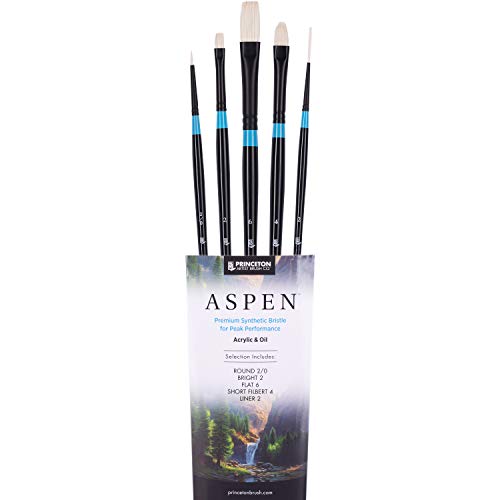
For an optimal application of a matte coating on various surfaces, the selection of tools plays a significant role. Begin with high-quality brushes that feature synthetic bristles. They provide a smooth application and resist shedding. A flat brush is ideal for larger areas, while an angular brush excels in corners and detailed work.
Rollers can also be a suitable choice, especially for flat surfaces. A mini roller, in particular, allows for efficient coverage without leaving noticeable lines. Pair it with a tray for convenience and to minimize mess.
Don’t overlook the importance of sandpaper in your toolkit. A fine-grit sandpaper is necessary for surface preparation, ensuring proper adhesion of the finish. Keep a sanding block handy for additional control over flat surfaces.
Consider using a spray bottle filled with water. Lightly misting the surface can increase the flow and reduce the absorption into porous materials, leading to a smoother finish.
| Tool | Purpose |
|---|---|
| Synthetic Brushes | For detailed and smooth application |
| Mini Rollers | Efficient coverage on flat surfaces |
| Sanding Block | Surface preparation and smoothing |
| Water Spray Bottle | Enhances application flow |
Lastly, a drop cloth is indispensable. It protects the surrounding area and simplifies the cleanup process post-application. Selecting appropriate tools will have a direct impact on the outcome of your project.
Applying the First Coat of Chalky Finish
Before applying the initial layer, ensure the surface is clean and dry. I prefer to use a high-quality brush or a foam roller for even coverage. Start from the top and move down, using long, even strokes to avoid the dreaded drips.
Steps to Follow
- Dip the brush lightly into the product, removing excess to prevent pooling.
- Begin painting in small sections, maintaining a wet edge to blend seamlessly.
- Pay attention to corners and detailed areas; a smaller brush may be beneficial here.
- Once a section is completed, step back to check for missed spots or uneven areas.
Let the first coat dry according to the manufacturer’s instructions–typically 30 minutes to an hour. If necessary, lightly sand with a fine-grit sandpaper once dry to create a smooth foundation for the second layer.
Final Tips
- Avoid painting in direct sunlight to prevent quick drying, which can lead to streaks.
- Check for any drips and smooth them out with your brush before the layer fully dries.
Careful application at this stage will set the tone for the final appearance, ensuring a professional and polished finish.
Techniques for Distressing and Finishing Chalk-Painted Furniture
I recommend distressing with sandpaper or a sanding block for a worn, antique look. Start with fine-grit sandpaper, focusing on edges and corners where wear would naturally occur. Applying varying pressure creates different levels of distress, giving unique character to each piece.
Waxing for a Durable Finish
After distressing, a clear wax helps seal the surface and enhances the color. I suggest using a lint-free cloth to apply a thin layer, working it into the paint with circular motions. Allow it to set for a few minutes before buffing with a soft cloth for a satin finish.
Alternative Finishing Techniques
If a more durable alternative is desired, consider using a polyurethane topcoat. This provides excellent protection while maintaining the look of the applied color. Opt for a matte or satin finish for a natural effect. Be sure to use a high-quality brush or foam applicator to avoid bubbles.
Experiment with aging solutions, such as vinegar mixed with steel wool, for an innovative texture. Apply this mixture in areas where natural aging would occur, allowing it to react with the underlying layers for an authentic look.
Maintaining and Protecting Chalk-Painted Surfaces
To ensure longevity, I regularly apply a protective wax or polyurethane finish after the initial curing period of the applied layer has passed. This step safeguards against everyday wear and tear, enhancing durability while preserving the aesthetic appeal.
Routine Care
I recommend dusting surfaces weekly with a soft cloth to prevent dirt buildup. For deeper cleans, a damp microfiber cloth with a gentle soap solution works efficiently. I avoid any harsh chemicals that could compromise the finish.
Minor Repairs
If scuffs or scratches occur, I touch them up using a small brush and left-over product. For significant damage, lightly sand the affected area before reapplying the finish for better adhesion.


