Caleb Turner

For a flawless finish on your cabinetry, I recommend preparing the surfaces meticulously. Begin by cleaning the items with a degreaser, ensuring that all residues are removed. Sanding the surfaces lightly promotes better adhesion and results in a smoother outcome.
Next, opt for a high-quality primer suited for the specific material of your cabinetry. This step significantly enhances durability and color retention of the final coat. Once the primer dries, it’s essential to apply the coating in thin, even layers using a high-quality brush or roller. This approach minimizes streaks and brush marks.
Allow adequate drying time between coats, typically four to six hours, before applying the next layer. If you desire a polished look, a light sanding between these coats can yield a glass-like finish. Always remember to ventilate the working area well to ensure an aromatic-free environment during the application process.
Preparing Surfaces for Paint Application
Clean surfaces thoroughly with a degreaser to remove any oils, dust, or residues. A lint-free cloth works best for wiping down surfaces after cleaning.


Lightly sand the surfaces using fine-grit sandpaper (220-grit recommended) to create a smooth texture and ensure adhesion. Be sure to wipe off dust with a damp cloth afterwards.
Fill any imperfections such as holes or scratches with a high-quality wood filler. Allow it to dry completely, then sand it smooth to match the surrounding area.
Priming
Apply a primer suitable for the material prior to coating. This step enhances adhesion and promotes an even finish. Make sure to choose an appropriate primer for wood, laminate, or metal surfaces.
Final Preparation Steps
- Ensure the workspace is well-ventilated to help with drying times.
- Protect areas not being painted with painter’s tape to prevent unwanted marks.
- Check humidity and temperature; ideal conditions promote optimal drying.
With the surface prepped, I’m ready for a flawless application of the finish.
Selecting the Right Tools for a Smooth Finish
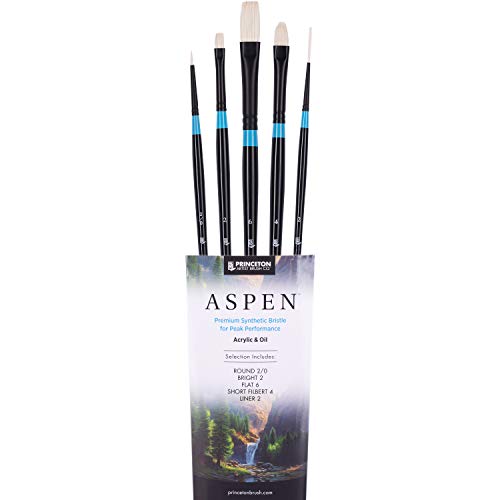
For achieving a flawless look, I recommend investing in high-quality tools. A good quality brush is key; I prefer a synthetic bristle brush for smooth application on various surfaces. The brush should be angled for precision, especially in corners and detailed areas.
Rollers
Using a roller can significantly improve speed and uniform coverage. Opt for a foam roller or a high-density knit roller, which helps in minimizing texture. Rollers with a ¼ to ¾ inch nap are ideal for most surfaces, providing a smooth finish without leaving lint.
Painting Accessories
Do not overlook the value of accessories such as painter’s tape, drop cloths, and a paint tray. I always tape off edges to protect adjacent surfaces, ensuring clean lines. A sturdy drop cloth saves time on cleanup and prevents mishaps. Finally, a paint tray with a built-in liner simplifies paint loading and reduces waste.
Mixing and Applying Valspar Cabinet Paint
Before mixing, I ensure I have a clean, dry space. I stir the product thoroughly to achieve a uniform consistency. If desired, I’ll thin it with a small amount of water or a recommended paint conditioner, but I check the manufacturer’s instructions for recommendations on thinning ratios.
When applying, I prefer a high-quality synthetic bristle brush for detailed areas, as it provides a smooth application. For larger surfaces, a foam roller works effectively, reducing the appearance of brush strokes. I begin in a corner, using even strokes, and maintain a wet edge to prevent lap marks. Two thin coats yield better results than one thick application.
I allow adequate drying time between coats, typically 1 to 2 hours. Following the final coat, I avoid heavy use of the furniture for at least 24 hours. This helps ensure the finish cures properly, resulting in a durable surface. Using a topcoat can enhance protection, especially in high-traffic areas, so I consider that for added longevity.
Techniques for Achieving a Professional Look
To achieve a flawless finish, I focus on spray application. This method provides an even coat without brush marks. Holding the spray can or gun 6-12 inches from the surface ensures optimal coverage. I always use smooth, sweeping motions and work in sections, maintaining a wet edge to avoid drips and laps.
Surface Techniques
For wood surfaces, sanding is vital. I start with 120-grit sandpaper and finish with 220-grit for a smooth base. A clean cloth helps remove any dust before applying the finish. For previously painted surfaces, I lightly sand the gloss to promote better adhesion. This step is crucial for durability.
Layering and Drying
When applying multiple coats, I wait at least 2-4 hours between layers. It’s essential to observe the manufacturer’s recommended drying times. Thin layers build up better than thick applications, ensuring durability and optimal appearance. If I notice imperfections, a light sanding can smooth out any bumps before adding the next coat.
| Technique | Description |
|---|---|
| Spray Application | Even coat without brush strokes, 6-12 inches from surface. |
| Sanding | 120-grit followed by 220-grit for a smooth surface. |
| Thin Coats | Apply multiple thin layers for durability. |
| Drying Times | Wait 2-4 hours between coats for best results. |
Drying Times and Curing Process Explained
For optimal results, adhere to the following drying timelines. After applying the finish, allow it to dry for at least 1 to 2 hours before adding another coat. This time can vary based on temperature and humidity levels. Ensure the environment remains well-ventilated to facilitate this process.
Initial Drying vs. Full Curing
While the surface may feel dry to the touch after a couple of hours, full curing will take significantly longer. Plan for at least 7 days for the coating to achieve maximum hardness and durability. During this curing period, avoid heavy use or placing objects on the treated surfaces to prevent indentations or damage.
Environmental Factors Affecting Drying
Be mindful of the surroundings. Higher humidity levels will extend drying times, while a warmer environment can hasten the process. A consistent temperature around 70°F (21°C) is ideal. Performing tests with smaller pieces can provide additional insight into timing adjustments based on your specific conditions.
Cleaning and Maintaining Your Painted Furniture
I recommend using a soft, damp cloth for initial cleaning. Avoid abrasive materials that might scratch the surface. For deeper cleaning, a mixture of mild soap and water can effectively remove dirt without damaging the finish. Rinse with a clean, damp cloth afterwards.
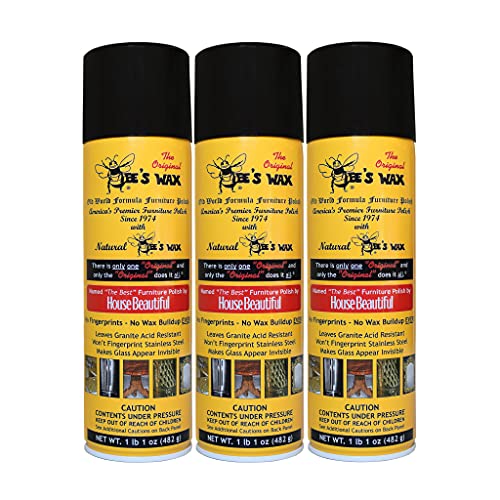
To maintain the appearance, apply a wax or furniture polish every few months. This not only enhances the sheen but also provides a protective barrier against moisture and grime. Ensure to buff it with a soft cloth for a smooth finish.
Be cautious with exposure to heat and direct sunlight. Use coasters and placemats to prevent water rings and scratches. Regularly check for chips or wear, addressing them promptly to prevent further damage.
If any marks or stains occur, a gentle touch-up using the same product or a matching color can restore the original look. Always test in an inconspicuous area to ensure color matching.
Troubleshooting Common Painting Issues
If I encounter bubbling on the surface after application, I check the conditions during application. High humidity or applying too thick layers can lead to this. Allow the bubbles to dry completely, then sand down the surface and apply a thinner coat next time.
In case of brush marks or uneven texture, using the wrong brush can be the reason. A high-quality synthetic brush for oil-based formulations is essential. I ensure to maintain a wet edge and work in small sections to achieve a uniform finish.
If paint peels or chips easily, it might be due to insufficient surface preparation. Ensuring complete cleaning and sanding is vital. I also verify that the previous layer is cured before applying another coat.
For unpleasant odors lingering after drying, I recommend increasing ventilation in the area. Opening windows and using fans can significantly help dissipate any unwanted smells.
- If I spot drips or runs, I gently scrape the area with a razor blade once the paint is dry. Then, I sand the surface lightly before applying another layer to blend it in.
- In case the color appears different once dry, I check the mixing process and lighting in the room. Always view colors in natural light to assess true appearance.
- If I notice the finish is not glossy where expected, I consider the drying conditions. Maintaining a consistent environment can help achieve the desired sheen.
For issues with adherence, areas that weren’t properly primed could be at fault. I always use a primer suited to the surface type prior to applying my top layer for best results.
FAQ:
What preparation is needed before using Valspar cabinet and furniture paint?
Before you start painting with Valspar cabinet and furniture paint, proper preparation is key. First, remove all hardware from the cabinets or furniture, including handles, knobs, and hinges. Clean the surfaces thoroughly with a mild detergent and water to remove grease, dirt, or any previous finishes. If the existing surface is glossy, consider lightly sanding it to create a better bonding surface for the paint. Make sure to fill any dents or scratches with a wood filler and sand it smooth once it dries. Finally, wipe down the surfaces with a damp cloth to remove any dust and let them dry completely before applying paint.
Can Valspar cabinet and furniture paint be used on different types of wood?
Yes, Valspar cabinet and furniture paint can be used on various types of wood surfaces. Whether you are working with oak, pine, or MDF, the paint adheres well when the surface is properly prepared. It’s essential to clean and sand the wood accordingly to enhance adhesion. For best results on softer woods like pine, you might consider applying a primer first, especially if the wood has knots that may bleed through the paint. This will also help in achieving a uniform finish.
How long does Valspar cabinet and furniture paint take to dry?
Valspar cabinet and furniture paint typically dries to the touch within 30 minutes, but it’s advisable to wait at least 2 to 4 hours before applying a second coat. Full curing may take up to a week, depending on temperature and humidity levels. To ensure durability, avoid heavy use of the furniture during this period. Always check the label for specific drying times, as they can vary based on the environmental conditions and the paint’s formulation.
What tools are recommended for applying Valspar cabinet and furniture paint?
For the best results with Valspar cabinet and furniture paint, consider using high-quality tools. A synthetic bristle brush works well for precision work and delivering a smooth finish on flat surfaces. For larger areas, a foam roller can provide efficient coverage without leaving brush marks. If you need to reach into corners or detailed areas, a small artist brush can be very helpful. Additionally, have painter’s tape on hand to mask off areas you don’t want to paint. Lastly, ensure you have a drop cloth to protect the surrounding surfaces from paint spills or splatters.