
 Caleb Turner
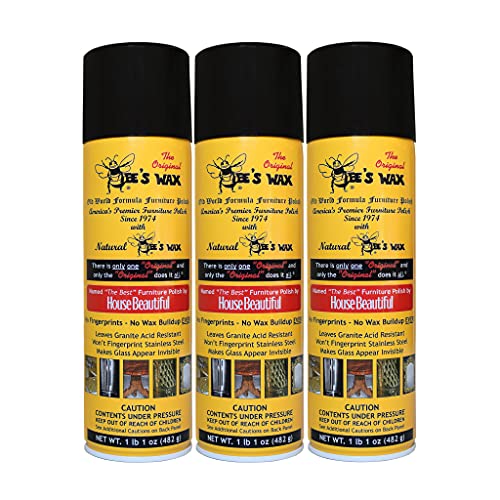
Before beginning, ensure that the surface is clean and free of dust. A simple microfiber cloth is ideal for this task; it captures particles without scratching. This preparation sets the stage for treating the wood effectively.
Next, apply a small amount of the product onto a clean cotton cloth. The key here is moderation; too much liquid can lead to residue buildup. Gently rub the cloth against the wood in the direction of the grain. This method helps the formula penetrate deeper, enhancing the natural beauty of the piece.
Allow the treatment to sit for a few minutes to absorb fully. Afterward, take another clean, dry cloth and buff the surface lightly. This step brings out a beautiful luster while ensuring that the application is even. Regular maintenance will keep your pieces looking splendid and prolong their lifespan.
Application Techniques for Classic Wood Care Formula
Before applying the product, ensure the surface is free from dirt and dust. I recommend dusting with a dry microfiber cloth or a vacuum with a brush attachment.

Step-by-Step Application
- Shake the container well to mix contents thoroughly.
- With a soft, lint-free cloth, apply a small amount to the fabric. Avoid soaking the cloth; dampening is sufficient.
- Work in small sections, gently rubbing the mixture into the wood in the direction of the grain. This promotes absorption and ensures an even finish.
- Allow the surface to sit for a few minutes to let the solution penetrate.
- Buff the area with a clean, dry cloth to bring out the shine. Repeat this process for the entire item.
- For heavily soiled surfaces, a second application may be warranted after the first has dried.
Maintenance Tips
- Regularly dust surfaces to minimize buildup between treatments.
- Reapply every few months or as needed, based on exposure to environmental factors.
- Avoid using water or harsh chemicals on treated surfaces to preserve the integrity of the finish.
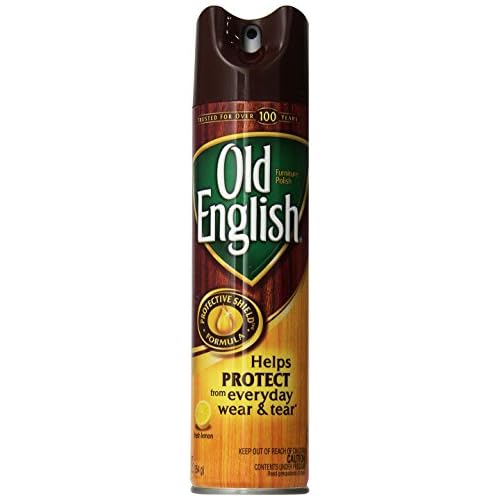
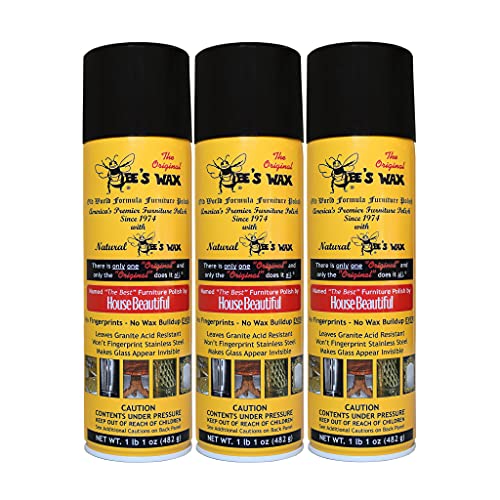
Choosing the Right Old English Furniture Polish for Your Needs
For optimal care, it’s crucial to select the correct product tailored to your specific materials and goals. Consider the following factors:

Type of Wood
Different varieties of timber require distinct treatments. Softer woods such as pine may benefit from lighter formulations that nourish without overwhelming, whereas hardwoods like oak can handle deeper conditioning. Take note of your pieces’ wood species and read labels to ensure compatibility.
Desired Finish and Shine
Decide on the level of shine you wish to achieve. For an understated luster, look for matte finishes that enhance natural beauty. If you prefer a more glossy surface, opt for products specifically designed to provide a high shine. Test on a small, inconspicuous area first to gauge the outcome.
| Wood Type | Recommended Product | Finish Type |
|---|---|---|
| Pine | Light Nourishing Formula | Matte |
| Oak | Deep Conditioning Mix | Glossy |
| Walnut | Natural Oil Blend | Natural |
Identify if you seek a cleaner, restorer, or a combination. Each option serves unique functions, so align your choice with your restoration goals. Always consult instructions for product application techniques, as proper usage enhances efficacy and longevity, ensuring your wood remains a beautiful centerpiece in your home.
Preparing Furniture for Application of Old English Polish
Begin with a thorough cleaning of the surface. I prefer a lint-free cloth dampened with water or a suitable cleaner. This removes dirt and grease, ensuring better absorption of the product.
Next, inspect for any damage. Look for scratches, dents, or unfinished areas. Repair any imperfections using wood filler or touch-up markers; this creates a uniform surface for application.
A light sanding with fine-grit sandpaper helps to remove previous finishes and improves adhesion. I make sure to follow the wood grain during this process. After sanding, wipe away dust with a clean cloth.
Assessing the Environment
Control the room temperature and humidity. I find a moderate climate, ideally between 60°F and 80°F, to be most effective for application. Avoid direct sunlight or drafts that could interfere with the drying process.
Gathering Supplies
Have your materials ready: the chosen product, clean rags, and gloves. I recommend wearing gloves to protect my skin and enhance grip on the cloth.
By following these steps, I ensure that the surface is properly prepared for a flawless application, maximizing the benefits of the finish.
Applying Polish Evenly
I recommend using a clean, soft cloth for application. Fold the cloth into quarters to create a manageable surface area. This allows for better control and helps prevent streaking.
First, pour a small amount of the product onto one section of the cloth. Avoid soaking it; a little goes a long way. Starting at one corner of the piece, gently apply in circular motions. This method encourages even distribution and minimizes the risk of buildup in any single area.
As I work across the surface, I overlap slightly with each stroke to blend seamlessly. Pay extra attention to edges and corners, where dust and grime tend to gather. If I notice any excess product pooling, I buff it out immediately with a clean area of the cloth.
For intricate details or carvings, I switch to a smaller cloth or a soft brush. This ensures the polish reaches all the nooks and crannies without leaving residue behind.
After the initial application, I let it sit for a few minutes to let the finish settle. Once dried, I give the surface a light buff with a separate clean cloth to enhance shine and achieve a smooth finish.
Best Techniques for Buffing After Applying Polish
I recommend using a clean, lint-free cloth for the buffing process. Microfiber cloths work exceptionally well due to their softness and ability to absorb excess product without scratching surfaces.
Begin buffing once the applied coating has had time to set, usually around 10-15 minutes. This delay allows the product to penetrate properly, making it easier to achieve a smooth finish.
Employ a circular motion while buffing. This technique promotes an even shine and helps to blend any areas that may have excess residue. Be gentle to avoid removing too much of the applied layer.
If you notice any streaks remaining after the initial buffing, follow up with a second clean cloth. A little additional friction can enhance the luster significantly.
For intricate designs or hard-to-reach places, I suggest using a soft brush. This approach allows for precise buffing in crevices where a cloth might not reach effectively.
After the buffing phase, I check the surface for any missed spots or inconsistencies. A keen eye during this phase ensures a flawless finish that showcases the richness of the wood.
Maintaining Furniture After Using Old English Polish
To ensure durability and appearance, I focus on regular maintenance. After applying the treatment, I follow these steps:
- Wipe surfaces with a soft, lint-free cloth. This removes any excess product and avoids build-up.
- Dust frequently using a microfiber cloth. This prevents dirt accumulation and preserves the shine.
- For deeper cleaning, I use a slightly damp cloth with a mild soap solution. I always ensure to immediately dry the area with a soft towel.
Periodic reapplication is key. I do this every 3 to 6 months to maintain a protective barrier. Before reapplication, I check for any wear or damage that may require repair.
In case of scratches or marks, I address these promptly. Using a matching touch-up marker or crayon works wonders for small imperfections. For larger areas, I consider refinishing or consulting a professional.
Avoid placing hot items directly on the surface. Coasters and mats provide additional protection against heat and moisture. I always encourage using felt pads beneath items to prevent scratches.
Lastly, I ensure the environment is suitable, maintaining stable temperature and humidity levels. This helps in preventing warping and cracking over time.
Common Mistakes When Using Old English Furniture Polish
Avoid over-application; too much product can lead to sticky residue that attracts dust. Use a small amount on your cloth for best results.
Don’t neglect surface preparation. Dust, dirt, and grime can interfere with the effectiveness. Wipe down your surfaces before applying any treatment.
Rushing the buffing process is unwise. Allow adequate time for the application to settle. Buff gently and gradually to achieve a smooth finish.
Using the wrong type of cloth can damage surfaces. Opt for a soft, lint-free material to prevent scratching and ensure an even application.
Ignoring the manufacturer’s instructions is a common error. Each product may have specific guidelines for optimal results, so always read the label before starting.
Failing to test on a small, inconspicuous area can result in unexpected reactions. A patch test helps avoid potential issues with color or finish alterations.
Using a harsh cleaner beforehand can strip protective layers. Stick with mild detergents or plain water to maintain the integrity of the surface before application.
Neglecting to follow up with regular maintenance can diminish the benefits achieved. Consistent care ensures longevity and beauty of treated surfaces.
| Common Mistake | Recommendation |
|---|---|
| Over-application | Use a minimal amount to avoid residue. |
| Poor surface preparation | Dust surfaces thoroughly before application. |
| Rushing the buffing process | Take your time to achieve a well-finished look. |
| Wrong type of cloth | Use a soft, lint-free cloth. |
| Ignoring manufacturer’s instructions | Always read the label for specific guidance. |
| No patch test | Test in a hidden area before full application. |
| Using harsh cleaners | Stick with mild soap or water. |
| Neglecting regular maintenance | Schedule routine care for lasting beauty. |
Storage Tips for Old English Furniture Polish
Store the product in a cool, dry place away from direct sunlight to maintain its integrity. An airtight container is recommended to prevent contamination and evaporation.
Avoid locations with high humidity, as moisture can alter the composition. A garage or basement might not be ideal unless temperature and humidity are controlled.
Keep out of reach of children and pets. Using sealed cabinets can add an extra layer of safety. Label the container clearly to avoid confusion with other household products.
Check the expiration date periodically. While many items have a long shelf life, it’s wise to dispose of any that look discolored or have an unusual odor.
Consider organizing your cleaning supplies. A dedicated shelf or section in a storage area can prevent accidents and ensure that I can quickly find the necessary items when needed.
For frequent users, I recommend storing it in a spot that is accessible but still safe. This balance ensures I can maintain my antiques without hassle.
Repairing Damages Before Applying Polish
Evaluate surfaces for imperfections like scratches, dents, or deep stains before proceeding with a protective coating. Addressing these issues ensures a smooth finish and enhances the overall appearance.
Steps for Repairing Damages
- Clean Thoroughly: Use a gentle cleaner to remove dust and grime from the surface.
- Assess the Damage: Identify all visible flaws. Bright lighting helps to see fine scratches.
- Wood Filler Application: For scratches or holes, apply an appropriate wood filler. Choose a shade that matches the natural hue of the item.
- Sand Smooth: Once the filler dries, gently sand the area using fine-grit sandpaper until even with the surrounding surface.
- Staining (if needed): If the sanded area doesn’t match, stain it lightly to blend it with the rest of the piece.
- Seal the Repair: Using a suitable sealant can protect the repair before the final coating is applied.
Final Check
Inspect the entire surface again after repair. Ensure it is completely dry and smooth before applying any kind of protective treatment. This attention to detail will yield the best outcome when you finally do apply the enhancement product.
When to Apply Old English Furniture Polish vs. Other Products
I recommend using this particular product when dealing with wood surfaces requiring a deep cleaning and conditioning. It excels in restoring luster to dulled finishes and nourishing the wood, making it an ideal choice for antique or heritage pieces that need regular maintenance.
For surfaces with heavy grime or sticky residues, I suggest first using a dedicated wood cleaner or a mild soap solution to eliminate dirt. Once cleaned, my preference is to apply this product to bring back shine and protection.
If you encounter items with modern finishes or synthetic coatings, this product may not be suitable. In such cases, opt for formulas specifically designed for those materials to avoid any adverse reactions or damage. Always check compatibility with the surface before applying this treatment.
For quick touch-ups on regularly maintained pieces, I find this polish particularly efficient. However, if a surface shows significant scratches or signs of wear, I first recommend a repair process before proceeding with the conditioning. Repairing imperfections ensures the product works at its best and enhances the overall appearance.
In summary, choose this polish for regular upkeep and preservation of natural wooden surfaces, but prioritize compatibility and cleaning methods based on the specific needs of each piece.
FAQ:
What is Old English furniture polish made of?
Old English furniture polish typically consists of a blend of natural waxes and oils that nourishes and protects wood surfaces. The main ingredients often include beeswax, carnauba wax, and mineral oils, which help to enhance the natural beauty of the wood while providing a protective layer against moisture and dirt.
How do I apply Old English furniture polish to my furniture?
To apply Old English furniture polish, first ensure that the surface of the furniture is clean and free of dust. Shake the can or bottle to mix the contents thoroughly. Using a soft, lint-free cloth, apply a small amount of polish to the cloth rather than directly to the furniture. Rub the cloth onto the wood in the direction of the grain, working in small sections. After coverage, buff the area with another clean cloth to achieve a shine. Repeat this process across the entire piece, allowing it to dry appropriately before use.
How often should I use Old English furniture polish?
The frequency of using Old English furniture polish depends on the condition of your furniture and how much use it gets. For most pieces, a light polish every 1 to 3 months is recommended to maintain their luster and protection. However, if your furniture is in a high-traffic area or frequently exposed to sunlight, you may choose to polish it more often to keep it looking its best. Regular dusting and cleaning can also help reduce the need for frequent polishing.
Can I use Old English furniture polish on any type of wood?
Yes, Old English furniture polish is suitable for most finished wood surfaces. It works well on hardwoods and softwoods alike. However, it’s important to note that it should only be used on surfaces that are already finished with a varnish, lacquer, or similar coating. If you have raw or unfinished wood, it’s best to apply a proper wood conditioner or sealer before using polish to avoid any adverse effects.
Are there any precautions I should take when using Old English furniture polish?
When using Old English furniture polish, ensure you work in a well-ventilated area, as the fumes can be strong. Avoid applying the polish near heat sources or open flames, as it may be flammable. Additionally, protect your hands by wearing gloves if you have sensitive skin, and always read the label for specific instructions and safety warnings. Keep the polish out of reach of children and pets to prevent accidental ingestion or spills.
What are the key steps to using Old English furniture polish correctly?
To use Old English furniture polish effectively, you should first ensure that the surface of your furniture is clean and dust-free. Begin by shaking the can well to mix the contents. Next, apply a small amount of polish to a soft, lint-free cloth. It’s best to work in small sections, applying the polish evenly in the direction of the wood grain. After letting it sit for a few moments, buff the surface with a clean part of the cloth to achieve a shine. Repeat this process as needed for deeper luster.
How often should I apply Old English furniture polish to keep my furniture looking its best?
The frequency of applying Old English furniture polish can depend on the type of wood and the environment where the furniture is kept. As a general guideline, using the polish every 6 to 12 months is sufficient for most furniture. However, if your furniture is exposed to sunlight or moisture, you may need to polish it more often to maintain its appearance. Regular dusting and cleaning will also help preserve the finish and reduce the need for frequent polishing.


