Caleb Turner
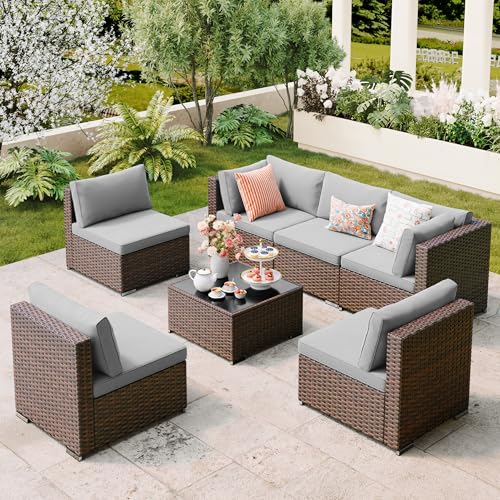
Incorporate garden seating into living areas by choosing durable materials that align with your style. Wicker, metal, and teak can add personality while proving functional in various settings.
Consider using a set of outdoor chairs in your dining room. Their sturdy construction can withstand daily use, while a stylish atmosphere can be created with the right upholstery and accessories. Pairing them with a classic wooden table enhances the aesthetic, making for a versatile space that bridges indoor and outdoor design.


Repurposing tables designed for the patio can introduce charm to your interiors. Opt for a bistro table for a cozy breakfast nook or a larger rectangular version for a statement piece in spacious areas. The added bonus is easy maintenance, requiring little more than a quick wipe down.
Accessorize with cushions crafted for external environments to provide comfort and warmth. Look for water-resistant materials and vibrant colors to enliven your living room, ensuring a seamless blend of functionality and flair.
Integrating elements typically reserved for the outside can enhance your home’s character and demonstrate a unique design approach. Keep the practical aspects in mind, and you’ll create inviting spaces that reflect a fresh aesthetic.
Choosing the Right Outdoor Furniture for Indoor Spaces
Focus on lightweight materials like aluminum or teak; they enhance the mobility and ease of arrangement in a room. A classic adage is to select pieces with clean lines to avoid visual clutter.
Consider the dimensions of the area; avoid oversized items that can overwhelm smaller rooms. Look for modular seating arrangements, as they can be adjusted to fit your space perfectly.
Textiles play a pivotal role; opt for indoor-rated cushions to ensure comfort and durability. Natural fabrics like cotton and linen offer an inviting atmosphere, while synthetic options can provide resilience against spills.
Color selection should complement existing decor. Earthy tones like terracotta and greens tend to integrate well, while brighter accents can serve as statement pieces.
Wood accents can add warmth, so prioritize sustainably sourced options which resonate with eco-conscious living. Consider retro or vintage styles, as they can bring character and a touch of nostalgia to contemporary settings.
Mixing is key; I often combine various textures such as woven rattan with metal or wood elements to create a dynamic look. This contrast adds depth and interest to your interior.
Lastly, functionality matters. Select versatile items like a coffee table that can double as extra seating or storage. This adaptability maximizes both space and utility while retaining aesthetic appeal.
Designing a Cozy Indoor Area with Outdoor Seating
Incorporating seating designed for external environments can transform a room into a cozy retreat. Choose cushions with indoor-friendly fabrics, ensuring style and comfort are balanced. Select pieces with weather-resistant materials for durability and easy maintenance.
Layering Textures
Mixing textiles brings warmth to your space. Combine soft throws, decorative pillows, and woven rugs with your selected seating. This layering not only enhances comfort but also creates visual interest. Natural fibers like jute or cotton add a touch of rustic elegance.
Color Coordination
Align the colors of your chosen seating with the existing palette of your home. Shades of earth tones or soft pastels work well to create a serene atmosphere. A splash of bold color can serve as a focal point, drawing attention while complementing the surroundings.
- Use a neutral base for larger pieces.
- Add accent colors through cushions or decorative items.
- Consider patterns that align with your decor theme.
Arranging chairs and tables in conversational clusters encourages relaxation and social interaction. Create zones within the room to define areas for reading, working, or enjoying meals. Groups of varied heights can add visual appeal and functionality.
Integrate greenery with potted plants or hanging planters. This not only enhances the aesthetic but also promotes a calming environment. Additionally, adjusting lighting–through warm-toned bulbs or soft artificial sources–can elevate the ambiance significantly.
To sum up, embracing outdoor pieces within your interior invites a unique charm and comfort, transforming living spaces into welcoming havens.
Maintaining Outdoor Furniture for Indoor Use
Regular cleaning is crucial. I use a soft brush and mild soap mixed with warm water to remove dirt and grime. Avoid harsh chemicals, as they can damage the finishes. Make sure to rinse thoroughly and let the items dry completely to prevent moisture buildup.
Inspect for signs of wear. Look for cracks, loose joints, or rust on metal components. I often repair minor scratches with sandpaper and a suitable touch-up paint, ensuring a seamless appearance.
Store properly when not in use. If an item is lightweight, I recommend keeping it in a dedicated storage area to avoid accidental damage. For heavier pieces, placing felt pads under legs helps prevent scratches on floors.
Condition materials regularly. Wooden elements benefit from a quality wood conditioner or sealer. This protects against fading and cracking. For metal parts, a rust inhibitor can extend longevity significantly.
| Material | Cleaning Method | Maintenance Frequency |
|---|---|---|
| Wood | Soft brush, mild soap | Every 2-3 months |
| Metal | Warm water, mild detergent | Monthly |
| Plastic | Soap and water | As needed |
| Fabric | Vacuum and spot clean | Every 1-2 months |
Choose breathable fabrics for textiles, as they reduce moisture retention. I also use protective covers when items are not in active use to safeguard against dust and potential spills.
Incorporating Accessories to Enhance Indoor Outdoor Furniture
To elevate the aesthetic of items designed for the exterior, I suggest layering textiles such as plush throws and decorative cushions in colors that harmonize with your interior scheme. These additions not only provide comfort but also introduce warmth to the space, making it more inviting.
Consider utilizing natural elements like potted plants; they enhance the organic feel often associated with patio pieces. Choose greenery that matches indoor lighting conditions, opting for low-maintenance varieties if you’re not keen on extensive upkeep.
Integrating lighting elements such as lanterns or string lights can create a cozy ambiance during evenings. Placing them strategically helps highlight the unique characteristics of these pieces while ensuring a soft, welcoming glow.
Using creative storage solutions like decorative baskets or vintage crates can integrate functionality into your design. These can serve to store extra cushions or blankets while maintaining a cohesive look.
Incorporating artwork, such as wall hangings or sculptures inspired by nature, can amplify the outdoor essence, merging it beautifully into your interior space. Choose pieces that resonate with the theme and color palette for a balanced look.
Lastly, a thoughtfully arranged area rug can define the space where these unique pieces reside. Selecting a weather-resistant fabric ensures durability while providing a soft foundation that ties together all elements within the room.
Creating a Functional Layout with Outdoor Pieces
Begin by determining the primary function of your interior space. This clarity will guide the placement and selection of external decor. For example, if a cozy gathering spot is needed, arrange seating in a circular layout to foster conversation. Ensure there’s ample space for movement and that each piece is positioned within arm’s reach of surfaces for convenience.
Utilizing Zones for Activities
Designate different areas for various activities. A reading nook can benefit from a pair of armchairs and a small side table, while a dining area may feature a larger table surrounded by matching seating. Creating defined zones enhances functionality, allowing each section to serve its purpose efficiently.
Balancing Aesthetic and Practical Elements
Select items that complement your existing decor while being practical for daily use. Lightweight options can be easily moved for cleaning or rearranging. Consider incorporating rugs to define spaces and provide comfort underfoot. This not only adds style but also enhances practicality, especially in high-traffic areas.
Seasonal Decoration Tips for Indoor Use of Outdoor Furniture
Incorporating seasonal elements can transform your space, making it more inviting. During autumn, I cover seating with cozy throws in warm colors and place decorative pumpkins around. In winter, a combination of faux fur throws and rich jewel tones creates an inviting atmosphere, while placing evergreen branches in vases adds a touch of nature.
Springtime shines with vibrant floral accents. I often swap out heavier cushions for lighter, pastel ones, and fill the area with fresh blooms or potted plants. This breathing life into the setting instantly enhances the ambiance.
For summer, I focus on a cool vibe. Light, airy fabrics and bright colors dominate the cushions and accessories. I always include citrus fruits in bowls for a refreshing and lively feel, creating both a visual and sensory delight.
Using string lights or lanterns can provide soft, atmospheric lighting, enhancing the seasonal theme during evening hours. I tend to place these around the space to create a cozy glow, perfect for relaxation or gatherings.
Focusing on scents, I often utilize seasonal candles or essential oil diffusers. For example, cinnamon and vanilla during winter, fresh lemon or mint in summer, and pine or cedar in autumn elevate the overall experience, making it even more enjoyable.
Seasonal artwork or wall hangings can mark the time throughout the year. Switching out art to reflect distinct seasons keeps the environment feeling fresh and engaging.
By implementing these decoration ideas, the transition of outdoor seating into a lovely indoor setting reflects both comfort and seasonal spirit effortlessly.
FAQ:
What are some benefits of using outdoor furniture inside?
Using outdoor furniture indoors can bring a breath of fresh air to your interior decor. It often features durable materials that can withstand wear and tear, making it suitable for high-traffic areas. Additionally, outdoor pieces can add a unique touch to your home, introducing a casual and relaxed vibe. They can also be easy to clean and maintain, as many are designed to resist weather elements and stains.
How can I incorporate outdoor furniture into my living room design?
Incorporating outdoor furniture into your living room can be a stylish and functional choice. For instance, a sturdy outdoor coffee table can serve as a great centerpiece. Consider pairing it with cozy cushions or throws to create a comfortable seating area. Use items like wicker chairs or metal lounge chairs to add variety. When arranging the space, balance the visual weight of indoor and outdoor pieces to create a harmonious look.
What types of outdoor furniture are suitable for indoor use?
When selecting outdoor furniture for indoor use, consider items made from materials like aluminum, wicker, or treated wood, as these are often lightweight and easy to move. Chairs, benches, and tables designed for patios can work well inside when styled appropriately. Ensure that the pieces are versatile and complement your indoor theme for a cohesive aesthetic.
Are there specific styles of outdoor furniture that work better indoors?
Certain styles of outdoor furniture can blend seamlessly into indoor spaces. For instance, mid-century modern outdoor chairs often pair well with contemporary interiors. Rustic wooden pieces can add warmth and character, while sleek metal designs can enhance a modern aesthetic. Consider the overall design theme of your home to choose pieces that will enhance the overall look rather than clash with it.
How do I care for outdoor furniture that I use indoors?
Caring for outdoor furniture used indoors is relatively straightforward. Regularly dust and wipe down surfaces with a damp cloth to remove any dirt or residue. For more durable materials, such as metal or treated wood, consider applying a suitable protective finish to keep the surface in top condition. Store cushions and fabrics in a dry place to prevent wear over time, ensuring they remain comfortable for use.