
 Caleb Turner

To initiate the transformation of your chosen items, thoroughly clean the surfaces to eliminate any dust, grease, or previous coatings. A mixture of warm water and mild soap should suffice for most scenarios. Allow the surfaces to dry completely to ensure optimal adhesion of the material.
I recommend opting for a high-quality bonding primer prior to applying any top coat. This step is critical, particularly for slick surfaces, as it increases the likelihood of a lasting and durable finish. After applying the primer, always give it time to cure according to the manufacturer’s instructions before proceeding.
When it’s time to apply the top layer, a synthetic brush or foam roller yields the best results. Apply the mixture in thin, even coats, allowing each layer to dry before adding additional coatings. Depending on the desired opacity and richness of color, two to three layers may be necessary for a seamless look.
For maintenance, ensure to handle the reimagined surface gently, using soft cloths for cleaning and avoiding harsh chemicals. This careful approach will extend the life of your new finish, keeping it looking fresh and inviting for years to come.
Selecting the Right Latex Paint for Furniture
Opt for a high-quality acrylic option designed for surfaces that endure wear and tear. Ensure it possesses a durable finish that can withstand frequent cleaning and potential scratches.
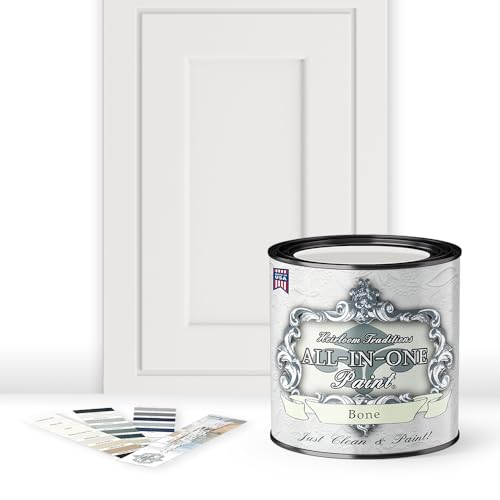
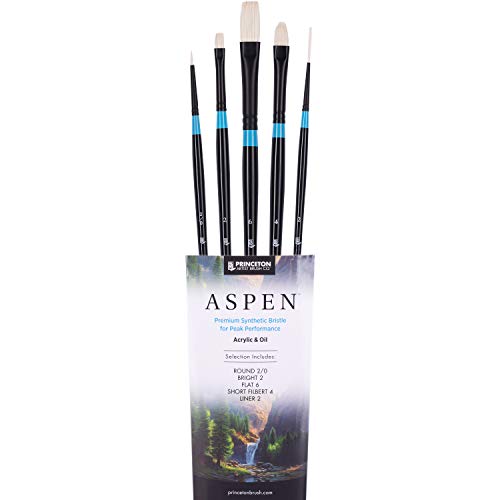

Sheen Levels
Consider the sheen level that aligns with the intended look. Satin or semi-gloss finishes offer a balance between elegance and functionality, allowing for easier maintenance without sacrificing aesthetic appeal. Glossy varieties reflect light well, enhancing visual depth, while matte finishes provide a soft, understated character.
Color Selection
Select hues appropriate for the desired ambience. Test samples on small areas to observe how the color behaves in different lighting conditions throughout the day. Consider undertones that might affect the overall appearance; warm tones can create a cozy atmosphere, while cool shades lend a more modern touch.
Research eco-friendly options, as some formulations emit fewer volatile compounds. This choice contributes to a healthier environment, particularly in enclosed spaces.
Lastly, prioritize brands with a solid reputation among DIY enthusiasts and professionals alike. Their products often come with detailed application instructions, ensuring a smoother endeavor.
Preparing Furniture for Painting: Cleaning and Sanding
Clean the surface thoroughly before applying any coating. Use a mild detergent mixed with warm water to remove dirt, grease, and residue. A sponge or soft cloth works well for this step. Rinse with clean water to eliminate any soap, then let it dry completely.
Sanding the Surface
Next, focus on sanding to ensure proper adhesion. Start with a medium-grit sandpaper (around 120-grit) to scuff up the surface. This creates a better bond for the new finish. Sand in the direction of the grain and apply even pressure.
After the initial sanding, switch to a finer grit (around 220-grit) to smooth out any rough spots. This step is particularly important for achieving a polished look after finishing. Clean off any dust with a damp cloth after sanding to prepare for the application.
Dealing with Imperfections
If there are dents or scratches, apply wood filler to those areas, smoothing it out with a putty knife. Once dry, sand again to make the surface even. This preparation ensures a professional-looking result once the color is applied.
Taking the time for thorough cleaning and sanding enhances the durability of the finish, leading to a striking transformation of the piece.
Choosing the Correct Tools for Painting with Latex
I recommend using a high-quality synthetic bristle brush for detailed areas. These brushes hold the material well and provide a smooth finish. For larger surfaces, opt for a roller with a nap that matches the texture of the piece. A ¼-inch nap works well for smooth surfaces, while a ¾-inch nap suits more textured areas.
Invest in a paint tray to hold your chosen medium, which allows for easy loading of the roller without excessive dripping. A paint edger or tape can help create clean lines, especially around intricate shapes or edges.
Keep a small container or bucket handy for mixing colors or blending shades; this ensures consistency in your project. Additionally, a sanding block or fine-grit sandpaper is useful for buffing out blemishes and achieving a smooth base before applying any finish.
Wear gloves to protect your hands and use a mask to avoid inhaling fumes. Lastly, do not overlook drop cloths or newspaper to safeguard your workspace from spills.
Applying Primer Before Acrylic Coating: Is It Necessary?
I recommend using a primer, especially on surfaces that have been previously finished, are glossy, or made of a material like MDF. A primer enhances adhesion, ensuring the top layer adheres properly and lasts longer. It also prevents staining and uneven absorption of the final coat.
If the surface is raw wood or has an uneven texture, priming can help create a smooth, uniform base. Some primers also have sealing properties that minimize the risk of bleed-through from any underlying finishes.
For projects where color accuracy is paramount, a white or light-colored primer can enhance the true tone of the final shade. Dark backgrounds may require a tinted primer to avoid extensive layering of the top coat.
However, if you’re working with a well-prepped surface that’s previously coated and the finish is in good condition, a primer may not be necessary. In such cases, proper cleaning and sanding may suffice before proceeding with the top layer.
Always check the manufacturer’s instructions on the products you plan to use, as some formulations are designed specifically for adhesion without the need for a base layer. In summary, while it’s not universally required, applying primer often leads to a better quality result and greater durability for your project.
Step-by-Step: How to Paint Furniture with Latex
Choose a suitable environment. I always prefer a well-ventilated area, free from dust and direct sunlight, to prevent drying issues.
Begin with a clean surface. I wipe the piece with a damp cloth to remove dust and debris. For greasy spots, I use a mild cleaner to ensure optimal adhesion of the new coating.
Step 1: Sanding
Lightly sand the surface with fine-grit sandpaper (220-grit works well). This creates a texture for better grip. After sanding, I use a damp cloth to remove the dust created by sanding.
Step 2: Primer Application
If I’m working with a raw or glossy surface, I apply a quality primer. I use a brush for detailed areas and a roller for larger surfaces, allowing it to dry completely.
Step 3: Painting
I start applying the chosen coating using a brush for corners and edges, then switch to a roller for flat areas. Multiple thin coats yield better results; I wait around two hours between layers.
Step 4: Finishing Touches
Once the final coat dries, I assess the finish. If any imperfections appear, I lightly sand them and apply a touch-up coat as needed. A topcoat is optional for added durability.
| Step | Task | Time Estimate |
|---|---|---|
| 1 | Sanding | 30 minutes |
| 2 | Primer Application | 1 hour (drying time included) |
| 3 | Coating Application | 2-3 hours (including multiple layers) |
| 4 | Finishing Touches | 1 hour |
Patience is key; allowing adequate drying between each step ensures a high-quality finish. Happy transforming!
Techniques for Achieving a Smooth Finish
For a flawless final look, I focus on applying thin layers. Each coat dries faster and reduces the chances of drips, ensuring a sleek surface. I utilize a high-quality synthetic brush or foam roller, which provides a smooth application and minimizes brush marks.
Time Between Coats
I wait at least two hours between coats, allowing sufficient drying time. This prevents the previous layers from getting disturbed, resulting in a smoother texture.
Final Sanding and Topcoat Application
After the last coat has dried, I lightly sand the surface with fine-grit sandpaper. This step eliminates any imperfections and promotes adhesion for the topcoat. I then apply a clear sealer to enhance durability and provide a polished finish.
Drying and Curing Time for Water-Based Coatings on Home Decor
Allow at least 1 to 2 hours for the initial drying of the coating before moving onto the next step. This ensures a tack-free surface, reducing the risk of smudges.
The curing process, however, requires more patience. Full curing can take up to 2 weeks, depending on environmental factors such as humidity and temperature. Here’s what I consider during this phase:
- Humidity: High levels slow down the curing. Ideal conditions are below 50% humidity.
- Temperature: Optimal range is between 65°F and 75°F. Extreme cold or heat can adversely affect the finish.
- Airflow: Good ventilation promotes proper curing. I often open windows or use fans to circulate air.
I recommend waiting at least 4 to 6 hours before light handling after the initial dry time. For heavy usage, allow a full week or two for best results. Patience during this stage is rewarding; it ensures durability and a smooth, even surface.
If you need to apply a second or third coat, adhere to the manufacturer’s instructions regarding recoat times. Generally, waiting for 4 to 6 hours between coats is advisable.
Checking the finish can be done by lightly touching a small, inconspicuous area. If it feels tacky or leaves residue, additional curing time is necessary.
Lastly, avoid placing objects directly on the surface until fully cured. This helps prevent indentations or marks that could damage the finish.
Sealing and Protecting Latex Painted Surfaces
Applying a protective finish to surfaces coated with aqueous formulation is critical for durability. I recommend selecting a water-based polyurethane as an ideal sealant, as it enhances resistance to scratches and stains without yellowing over time.
Types of Sealers
- Water-Based Polyurethane: Dries clear and maintains the original color, offering excellent durability.
- Clear Acrylic Sealer: Provides a non-yellowing finish and is easy to apply; great for items with minimal wear.
- Wax Finish: Adds a soft sheen and tactile feel but requires more frequent reapplication.
Application Tips
- Ensure the surface is thoroughly dry and cured before applying any sealant.
- Use a high-quality brush or roller to apply a thin, even coat of the chosen product.
- Allow adequate drying time as specified by the manufacturer’s instructions.
- Consider light sanding between coats for enhanced adhesion and a smoother finish.
- Buff the surface lightly after the final coat, especially if waxing, for optimal sheen.
Be mindful of the environment; apply sealers in a well-ventilated area to avoid inhaling fumes. Follow these guidelines to maintain the beauty and longevity of your newly refreshed items.
Tips for Maintenance and Touch-Ups on Painted Furniture
Regular cleaning is key. I use a damp cloth with a mild soap solution to avoid damage to the finish. For stubborn stains, a soft bristle brush can help without scratching the surface.
Addressing Scratches and Chips
To repair minor imperfections, I keep a small container of matching color on hand. For chips, I apply a tiny amount directly to the affected area with a brush or a cotton swab, then gently blend the edges to ensure a seamless look.
Applying Additional Coats for Wear and Tear
After several months, I check high-traffic areas for signs of wear. A light sanding followed by a fresh layer of the chosen finish can reinvigorate the appearance. It’s best to do this on a dry day for optimal results.


