Caleb Turner

Positioning a tall bookcase or a vintage armoire against an existing wall can immediately establish a boundary within an expansive area. This approach not only enhances vertical space but also introduces elements of style and storage.
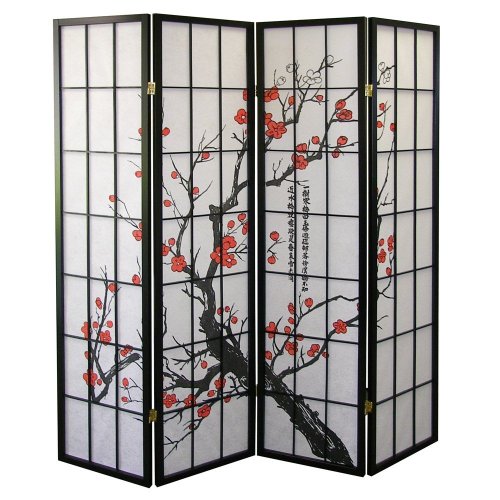
Decorative screens or room dividers work wonders in adding personality while clearly marking off different zones. Opt for designs that reflect your aesthetic–whether it’s bohemian, modern, or industrial, this can set the tone for the adjoining sections.
Strategically placed rugs can define areas without physical barriers. Choosing a distinct pattern or color for each section helps in visually separating the spaces, making transitions smoother and more inviting.
Incorporating larger pieces like sofas or armchairs can carve out dedicated lounging or working areas. Arranging them in a conversational layout naturally creates pockets of intimacy, perfect for conversation or focused activities.

Lastly, plants can serve a dual purpose. Not only do they add life and vibrancy, but they also act as natural dividers. Staggering potted greens between spaces fosters a fresh environment while subtly marking boundaries.
Strategic Placement of Large Pieces
Position a substantial bookshelf or a tall cabinet against a wall to create a visual boundary. This approach maintains an open feel while establishing distinct zones. Choose items that match your decor to ensure cohesion.
Utilizing Sofas and Seating Arrangements
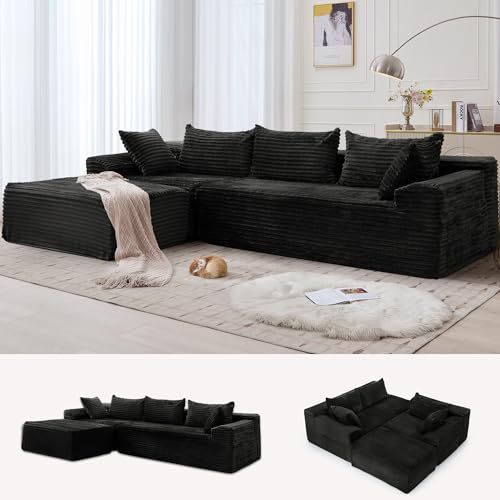
Angle sofas or place a sectional in a way that naturally separates activities. For instance, facing the back of a sofa toward one area can discourage foot traffic and signal a transition to a more intimate space.
Incorporating Open-Back Items
Consider open-back shelves or decorative screens for partitioning. These not only delineate areas but allow light to flow, ensuring the space remains inviting. Use these pieces to display plants or art, enhancing both function and aesthetic.
Choosing the Right Type of Furniture for Division
For optimal spatial separation, opt for tall bookshelves. They create vertical barriers while offering storage. Position them back-to-back to form a double-sided partition, enabling accessibility from both areas.
Consider Multi-Functional Options
Incorporate versatile elements like ottomans or benches. These can serve as seating in one section and a surface for drinks in another. Their mobility allows easy reconfiguration as needed.
Explore Decorative Screens
Accent the space with folding screens or room dividers. Available in various materials and styles, they add aesthetic appeal while on their own act as effective boundaries. Choose designs that complement existing decor to enhance overall harmony.
Using Sofas to Create Distinct Areas
One practical approach is to position your sofa perpendicular to the walls. This arrangement forms a cozy corner perfect for conversation or relaxation while subtly steering traffic patterns. Ensure that the back of the sofa serves as a natural barrier between spaces.
Choosing the Right Sofa
Selecting a sofa with a low back or open design enhances the visual connection between sections while still providing separation. A sectional sofa can also be effective, allowing for different configurations to suit various activities. Consider colors or patterns that harmonize with the adjoining areas for a cohesive look.
Accent Pieces for Enhanced Definition
Incorporating an accent table or rug around the sofa further delineates the area. An area rug can anchor the seating, creating a defined zone, while side tables can serve as functional elements that enhance the space’s usability. Experiment with differing textures and heights to add interest and establish clear boundaries.
Incorporating Bookshelves as Room Dividers
Incorporating shelves into your space serves a dual purpose: they provide storage while also establishing separate areas. Opt for tall, open bookshelves to maintain a sense of openness while creating distinct sections.
Here are practical tips for implementing bookshelves:
- Choose the Right Style: Consider a design that complements your existing décor. Modern, minimalist shelves can provide a sleek look, while vintage styles add character.
- Height Matters: Select taller units to enhance the visual separation. If the goal is to keep light flowing, opt for shelves with open backs or those that are slightly transparent.
- Organize Wisely: Use books and decorative items to create visual interest. Mix tall and short items for a dynamic appearance.
- Add Greenery: Incorporate plants on the shelves to soften the look and introduce color. They act as natural dividers while improving air quality.
- Funcionality: Include items that serve a purpose, like a small desk workspace or a reading nook, within the divided areas.
- Consider Dimensions: Make sure the chosen shelves fit well within the space, allowing for ease of movement around the area.
Installing shelves can define areas for various activities, turning a single expansive space into distinct zones for work, relaxation, or study. By mixing functionality with aesthetics, they enhance both practicality and style.
Creating Zones with Area Rugs
Area rugs serve as an excellent tool for establishing specific areas within a larger environment. They help to visually delineate spaces, adding warmth and texture.
Consider the following strategies when incorporating rugs:
- Size Matters: Choose a rug large enough to anchor the furniture. Ideally, the front legs of all seating should rest on the rug to create a cohesive setting.
- Define Purpose: Use different styles or patterns for various functions. For example, a more vibrant design can enhance a play area, while neutral tones suit a reading nook.
- Layering: Layering smaller rugs over a larger one can add depth. This technique allows for creativity while still providing the benefits of structure.
- Color and Texture: Select colors and textures that complement the surrounding decor. Contrast can also work wonders, providing visual interest and energy.
- Placement: Position the rug so that it connects furniture pieces, creating a unified look rather than isolated elements.
Regularly reassess the functionality and aesthetic of your rugs. This practice ensures the zones remain purposeful and aligned with your evolving style.
Utilizing Tables to Separate Functional Spaces
I recommend incorporating tables as functional barriers within an area. A well-placed dining or coffee table can create a clear distinction between leisure and work areas. For instance, opting for a round table can soften the visual lines, promoting a more inviting atmosphere.
Adjust the size of the table according to the scale of the environment. A larger surface, like a rectangular table, can serve as a buffet during gatherings, while a smaller one might work better in tight spaces where flexibility is key.
Consider materials as well; a transparent glass table opens up visual space while still defining different zones. Alternatively, a wooden table brings warmth and solidity, making the areas feel more cohesive. Adding decorative items or plants on the table can enhance its role as a subtle boundary.
Arranging chairs around a table aids in channeling activity and encourages interaction in specific spots without feeling confined. It’s about guiding the flow rather than imposing strict separations.
Lastly, multifunctional tables, which can be folded or extended, offer versatility, making them excellent for transforming functions based on needs. This adaptability supports both everyday use and special occasions.
Using Curtains for Flexible Room Partitioning
I recommend installing ceiling-mounted curtain rods to create versatile barriers between spaces. This allows for easy adjustments, letting me switch between openness and privacy as needed. Choose lightweight fabrics that complement or contrast with existing decor to enhance visual interest.
For an effective setup, ensure that curtains are long enough to touch the floor, creating a seamless effect. Utilize blackout or light-filtering materials based on the desired ambiance and functionality. Light-blocking fabrics work wonders in bedrooms, while sheer options can be beneficial for living areas.
To optimize the layout, consider layered designs. Pair heavier curtains with lighter sheers, which not only adds texture but also allows light control while maintaining separation. This combination can help define spaces without feeling too isolated.
Positioning the curtains correctly is crucial. Track placement should be just above the ceiling line to create an illusion of height, making the area feel more expansive. Advocating for 3-4 inches” of clearance from the walls to allow for smooth movement is beneficial.
| Fabric Type | Effect | Best For |
|---|---|---|
| Lightweight Sheer | Diffuses light | Living areas |
| Blackout | Blocks light | Bedrooms |
| Noise-Reducing | Minimizes sound | Studios/home offices |
| Textured Fabrics | Adds depth | All spaces |
Additionally, I suggest incorporating decorative tiebacks to enhance the look when the curtains are drawn back. This small detail contributes to a polished appearance and ensures the fabric doesn’t obstruct pathways.
Embracing curtains as mobile partitions fosters an adaptable and dynamic environment. By tweaking the colors, patterns, and textures, I can effortlessly refresh the feel of the space while achieving functional separation.
Arranging Furniture for Visual Division
To achieve a clear visual separation in a space, I focus on strategic placement of items. Beginning with larger pieces can set the tone. For instance, positioning a sectional or a large console table perpendicular to the main flow can delineate areas without obstructing sightlines.
Creating layers is another technique. By alternating heights–tall plants, art, or decorative screens with lower items, like benches or low tables–I maintain an open feel while establishing distinct zones. This method provides both depth and dimension.
Color plays a role as well; using different palettes for adjacent areas through selected textiles or finishes can enhance separation. For example, a bold sofa in a sitting area paired with softer hues in a dining space can clearly define each area functionally and aesthetically.
Incorporating various shapes also aids in defining space. Mixing circular and rectangular elements, like a round coffee table next to a rectangular dining table, breaks monotony and visually signals different purposes within the layout.
| Techniques | Description |
|---|---|
| Strategic Placement | Positioning larger items to create boundaries. |
| Layering Heights | Utilizing tall and low elements for depth. |
| Color Variation | Using different palettes to enhance separation. |
| Shape Mixing | Combining shapes to visually signal different purposes. |
Finally, maintaining flow is key. Ensuring there is enough space for movement while keeping areas visually distinct creates a balanced atmosphere. I often leave pathways clear and unobstructed, providing both functionality and a sense of openness.
Layering for Added Privacy
To enhance seclusion in an open area, consider stacking different elements strategically. Start with larger pieces like a sectional or sofa, placing them perpendicular to the space’s flow. This sets a natural boundary.
Add mid-sized items such as console tables or low cabinets behind the larger seating. These can serve as subtle barriers and provide surface area for decorative items.
Introduce screens or tall plants to further elevate the sense of intimacy. These not only act as partitions but also add visual interest. For a softer touch, curtains can be draped around these elements, offering flexibility when privacy is required.
Use small accent tables to delineate specific spots for activities, enhancing the layered effect. This layering creates a dynamic distinction while maintaining an inviting atmosphere.
Incorporating textiles such as throws and cushions on seating enhances comfort while visually reinforcing the layered structure. The overall effect is a balanced combination of openness and privacy, ideal for multi-functional spaces.
DIY Ideas for Custom Room Dividers
Consider creating a sliding panel system using wood or fabric. This allows for flexibility, permitting quick adjustments to the space based on your needs. Simply mount tracks from wall to wall and attach lightweight panels that can be moved effortlessly.
Repurposed Pallet Walls
Old pallets offer a rustic charm and can serve as an eye-catching separator. Cut and sand them down, then assemble a vertical display that partitions areas while maintaining a breezy feel. Staining or painting the wood can freshen it up according to the desired aesthetic.
Macrame Screens
For a soft approach, craft a macrame divider. Utilize cotton rope and wooden dowels to create a beautiful wall hanging. This option adds texture and a bohemian touch, ensuring light flows through while defining spaces effectively.