Caleb Turner
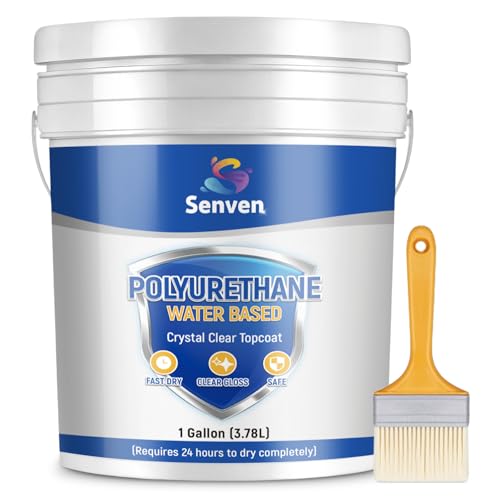
For a refreshing update, I recommend a preliminary cleaning of the surface to remove any dust or oils. This crucial step ensures that the material adheres properly without peeling or chipping later. A mild detergent mixed with warm water works wonders–just ensure the surface is entirely dry before proceeding.
Applying a quality primer is my next suggestion. This type of base offers better adhesion and prevents any potential stains or yellowing from affecting the final appearance. Choose a product specifically formulated for smooth surfaces, as this will provide a flawless foundation.
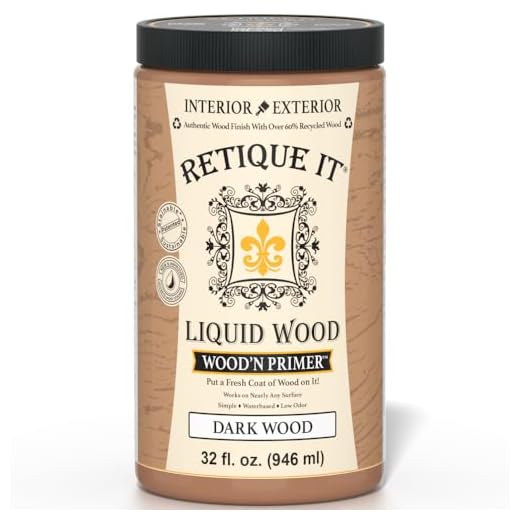

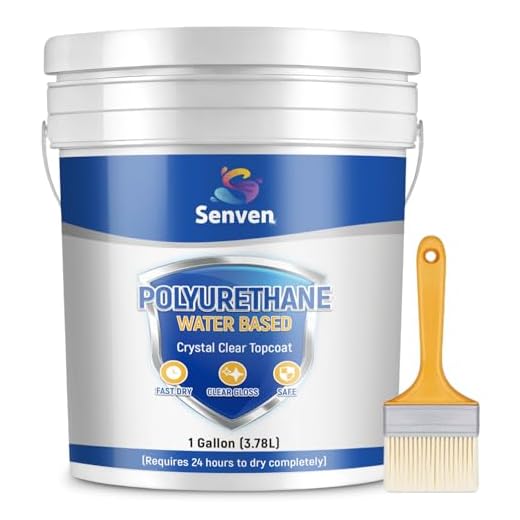
When it’s time to apply the finish, I typically favor a synthetic brush over rollers for a more controlled application. The key lies in using even strokes to achieve that charming, matte look. After the first coat, letting it cure for at least a few hours before applying a second layer can significantly enhance the richness of the hue.
Finally, for added durability, I always finish with a protective topcoat. A clear matte sealer does an excellent job of safeguarding the finish without compromising that sought-after vintage effect. This step not only protects against scratches but also makes cleaning a breeze.
Preparing the Veneer Surface for Chalk Paint
Clean the surface thoroughly with a damp cloth to remove dust and grime. Make sure no residue remains, as it can interfere with adhesion. Allow the surface to dry completely.
Next, light sanding is crucial. With fine-grit sandpaper, gently scuff the veneer to create a better grip for the subsequent layer. Focus on areas that may be glossy or have been previously finished.
If there are any deep scratches or imperfections, consider applying a wood filler. Once it dries, sand the area smooth to ensure an even finish.
For enhanced adhesion, apply a primer designed for slick surfaces. This step can be skipped for less glossy finishes, but I recommend it for a more reliable outcome. Choose a primer as per the manufacturer’s advisory to ensure compatibility.
After the primer dries, check for any uneven areas. If necessary, sand once again to achieve a smooth feel. Ensure every layer is dried as per the product instructions before proceeding to the next.
Once the surface is prepared, it’s ready to start applying the desired top coat with confidence, resulting in a beautifully refreshed appearance.
Choosing the Right Chalk Paint for Your Project
Selecting the proper formulation is crucial for achieving the desired aesthetic and durability. I recommend focusing on brands known for their adherence and coverage, ensuring that the outcome is smooth and even. Look for options specifically labeled for the type of surface you will be working on; many manufacturers provide guidelines to help with selection.
Finish and Color Selection
Consider the finish; some formulations offer a matte look, while others may provide a satin or glossy sheen. Each finish has different implications for durability and maintenance. For color choices, testing samples on a small area helps visualize how different shades interact with lighting and surrounding decor.
Environment and Safety
Pay attention to the chemical components of the product, especially if working in enclosed areas. Opt for low-VOC (volatile organic compounds) options that minimize harmful emissions. Always check for user reviews to understand the long-term performance of the product. This insight often reveals practical experiences that can guide my decision.
Applying Primer: Is It Necessary for Veneer?
I recommend applying a primer before coating the surface if the object has a glossy finish or if the material is particularly porous. This step can enhance adhesion, ensuring a more durable and even finish.
Benefits of Priming
- Improves grip for the subsequent layers.
- Reduces the risk of bleeding through due to tannins or other stains.
- Can help in achieving a uniform color, especially with lighter shades.
Types of Primers to Consider
- Shellac-Based Primers: Excellent for blocking stains and odors.
- Water-Based Primers: Quick-drying and less odor, good for most applications.
Ensure the chosen primer is compatible with the topcoat material. Always test the combination on an inconspicuous area first to avoid any unexpected reactions. For optimal results, follow the manufacturer’s instructions regarding drying times and application techniques.
Techniques for Painting with Chalk Paint on Veneer
Prior to applying any finish, I recommend gathering all necessary supplies, including brushes, spray bottles for water, and cloths for cleanup. This ensures a smooth workflow. Here are some techniques I found useful:
1. Brush Selection
- Opt for a natural bristle or synthetic brush to achieve different textures.
- A foam brush can create a smoother finish, ideal for personalized designs.
2. Layer Application
- Apply thin layers. I begin with a light coat, allowing it to fully dry before adding another. This prevents drips.
- If uneven coverage occurs, lightly sand between layers to improve adhesion and smoothness.
3. Distressing Techniques
- After the final coat dries, I use fine-grit sandpaper on edges and raised areas. This approach enhances depth and character.
- For a more aged look, try a damp cloth to rub away some of the finish, revealing the base layer beneath.
4. Sealing the Surface
- Once complete, applying a protective topcoat ensures longevity. A water-based sealer works well, providing resistant protection without altering the appearance.
- For high-traffic areas, consider adding additional layers to enhance durability.
In my experience, patience and attention to detail yield the best results. By applying these techniques, I achieve a beautifully transformed surface that withstands the test of time.
Finishing Techniques to Protect Your Painted Veneer Furniture
To achieve durability and enhance appearance, applying a protective topcoat is vital. I recommend using a water-based polyurethane for its clarity and ease of application. This type allows the underlying colors to shine while providing crucial protection against scratches and moisture.
Before starting, ensure the paint is completely dry. A soft brush or a clean, lint-free cloth works well for application. Several thin coats provide better protection than one thick layer. Sand lightly between each coat with fine-grit sandpaper to avoid imperfections and enhance adhesion.
For a more natural finish, consider using a clear wax after the protective coat. This method not only adds to the luster but also offers an additional layer of defense. Apply the wax with a soft cloth, working it into the surface, and buff it out for a smooth feel.
For high-traffic areas, opting for a matte or satin finish is advisable, as these choices withstand wear better than gloss. Make sure to follow curing times recommended by the manufacturer for optimal results.
Finally, steer clear of heavy cleaning agents. Instead, use a damp cloth for regular maintenance. This will help preserve the integrity of your finish over time, keeping your updated piece looking fresh.
Common Mistakes to Avoid When Painting Veneer with Chalk Paint
Avoid skipping surface preparation. Failing to thoroughly clean and lightly sand the veneer can lead to adhesion issues, resulting in peeling over time.
Overlooking Primer Application
Neglecting a primer can create problems. While some might skip this step, using a bonding primer enhances adhesion and helps prevent damage to the wood layer beneath.
Choosing the Wrong Brush or Roller
Using an inappropriate brush can lead to streaks and uneven coverage. A synthetic bristle brush or a foam roller is preferable for achieving a smooth finish.
| Mistake | Consequence |
|---|---|
| Skipping preparation | Poor adhesion, potential peeling |
| Omitting primer | Weak bond, risk of damage |
| Wrong application tool | Uneven coverage, brush marks |
| Applying too thickly | Extended drying time, chance of drips |
Applying too thickly can extend drying times and increase the risk of drips. Thin coats build a more durable finish.
Rushing the drying process can lead to a soft and vulnerable surface. Always allow adequate time for each layer to dry completely before continuing.
FAQ:
Can I use chalk paint on veneer furniture?
Yes, you can use chalk paint on veneer furniture. Before you start painting, it’s recommended to clean the surface and lightly sand it to help the paint adhere better. Applying a coat of primer can also enhance the paint’s sticking power, ensuring a smoother finish.
What preparation do I need to do before painting veneer with chalk paint?
Preparation is key to achieving a good finish. Start by cleaning the furniture to remove any dirt or grease. Lightly sand the surface with fine-grit sandpaper to create a rough texture, which helps the chalk paint adhere. If your veneer has a glossy finish, sanding is particularly important. After sanding, wipe down the surface with a damp cloth to remove dust before applying paint.
How many coats of chalk paint should I apply on veneer furniture?
This can vary depending on the color and type of chalk paint you use. Generally, two to three coats are recommended for even coverage. Allow each coat to dry completely before applying the next one. This will ensure a solid, uniform finish.
What type of sealer should I use after painting with chalk paint on veneer?
After applying chalk paint, it’s a good idea to seal the finish to protect it from wear and tear. You can choose between a wax or a clear polyurethane sealer. Wax gives a soft, matte finish, while polyurethane offers a more durable, glossy finish. Apply the sealer according to the manufacturer’s instructions for the best results.
Can I distress my painted veneer furniture to create a vintage look?
Yes, distressing is a popular technique with chalk paint. Once your painted veneer furniture has dried completely, you can lightly sand edges and raised areas to create a worn look. The effect can be adjusted according to your preference, so feel free to experiment with different levels of distressing.