
 Caleb Turner

For a revitalized appearance, consider applying a fresh coat of paint or stain to your wooden items. Begin with a thorough cleaning using a mild detergent and water to remove any dust and grime.
Once the surface is prepped, sanding is crucial. Use fine-grit sandpaper to smooth out imperfections and create a surface that allows the new finish to adhere better. If you’re aiming for a distressed look, sand through areas to reveal some of the original wood grain.
Choosing the right shade can significantly impact the vibe of the room. Consider lighter tones for a more modern feel or darker hues to add a touch of elegance. Don’t forget to apply a protective sealant after painting or staining to ensure longevity.
Accessorizing with modern decor pieces will enhance the refreshed look. Incorporating contemporary accents can create an exciting contrast between the classic wood and the newly styled surroundings.


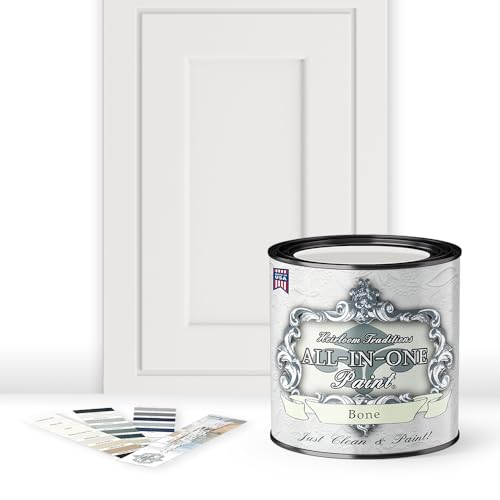

Updating Furniture with New Paint or Stain
For a fresh look, applying paint or a new stain can transform pieces. Opt for a satin or matte finish for an upscale appearance. Begin by sanding the surface to remove the glossy finish, which aids in proper adhesion of the new coating. Select a color that complements the overall decor, such as a deep navy or soft gray, and apply two to three coats for even coverage. Use a foam roller for flat surfaces and a brush for intricate details.
Incorporating New Hardware
Changing out the knobs and pulls can give an instant makeover. Choose contemporary designs like matte black or brushed gold to contrast with the wood tones. Measure existing holes carefully to find compatible replacements. If needed, create new holes with a drill for styles that don’t align. This simple update can significantly enhance the overall aesthetic while maintaining functionality.
Assess the Condition of Your Honey Oak Furniture
Begin by thoroughly examining each piece. Look for scratches, dents, or discoloration that may have developed over time. Take note of any areas where the finish is wearing thin, as these spots may require more attention than others.
Check for structural integrity. Gently shake or test the stability of drawers and doors to ensure there’s no wobbling or misalignment. If a piece seems unstable, it may need repairs before any cosmetic work can be done.
Identify the type of finish currently applied. This can impact the method of refinishing. If it’s a lacquer or polyurethane finish, it may require different treatment than a simple oil-based or water-based stain. Use a small area to test your chosen cleaning solution or stripper to confirm compatibility.
Document any unique features, such as carvings or hardware. These elements can influence the overall aesthetic after restoration. Keeping a record helps in deciding whether to preserve or enhance them in the process.
Finally, consider the overall color and tone. This assessment will guide you in selecting new paint or stain shades that complement or contrast effectively with the existing palette.
Choose the Right Finish for a New Look
To achieve a refreshed appearance, selecting the proper finish is key. Consider these options:
| Finish Type | Description | Ideal Use |
|---|---|---|
| Paint | Provides a solid color coverage, available in various shades. | For a bold transformation or when hiding imperfections. |
| Varnish | A clear protective coat that enhances the natural color and grain. | When preserving the wood’s original style while adding durability. |
| Stain | Adds color while allowing the grain to show through. | For a tone change without losing the wood character. |
| Lacquer | Fast-drying finish that provides a high-gloss look. | When desiring a shiny finish and quick application. |
When selecting a finish, align it with personal style preferences and the ambience desired in the space. Test samples on a small area to see how different finishes interact with the existing color and texture.
Consider applying multiple coats as necessary for depth and uniformity, ensuring thorough drying between applications to achieve the best results.
Gather Necessary Tools and Materials for Updating
Begin with a complete toolkit. I ensure I have a variety of screwdrivers–both flathead and Phillips–as well as a hammer for any necessary repairs. A set of pliers can also come in handy for gripping and twisting hardware.
Sandpaper in different grits is essential; I typically use 120, 220, and 400 grit to smooth surfaces after preparation. A sanding block helps maintain even pressure while working on larger areas.
For applying new coatings, I stock high-quality brushes and rollers, which provide an even finish. A paint tray is practical for holding the finish and for easy loading of brushes.
I invest in a good primer, which is critical for creating a strong base for the final layer. I also ensure I have a selection of stains or sealants suitable for the desired look.
To protect surrounding areas and keep my workspace tidy, I obtain drop cloths and masking tape. These are useful for covering floors and taping off edges for neat lines while painting or staining.
Finally, I remember to have safety equipment like gloves, goggles, and a mask to protect myself from dust and fumes during the transformation process.
Clean and Prepare the Surface
I ensure the surface is free of dust and grime before applying any new coatings. A mixture of mild soap and warm water effectively removes contaminants. I use a soft cloth or sponge, avoiding anything abrasive that could scratch the surface.
After cleaning, I let the pieces dry completely, as moisture can interfere with paint or stain adhesion. I then inspect for any imperfections, such as scratches or dents that may need sanding. Light sanding with fine-grit sandpaper smooths the surface and allows for better application of the new finish.
If there are areas of old paint or finish, I might use a chemical stripper for complete removal. Afterward, I ensure the area is well-ventilated and completely clean of any residue before proceeding with any other steps.
Apply Stain or Paint for a Fresh Appearance
A coat of stain or paint can radically transform the look of your pieces. Start by selecting a high-quality product that suits your desired aesthetics.
Choosing the Right Product
- For a natural look, opt for gel stains that enhance the wood’s grain.
- For a bold change, select a high-quality latex or chalk paint.
- Consider using a primer if painting; it ensures smoother application and better adhesion.
Application Process
- Use a foam brush or a high-density roller for even coverage, especially on flat surfaces.
- Apply one coat, allowing it to dry thoroughly before assessing if a second coat is necessary.
- For stains, wipe off excess after a few minutes to achieve the desired depth of color.
Finish with a protective sealant to ensure durability. A satin or semi-gloss clear coat is ideal for maintaining luster while protecting against wear.
Consider Adding New Hardware for Style
Swapping out existing knobs and pulls can instantly transform the appearance of your wooden pieces. I recommend exploring a variety of styles and finishes–contemporary brushed nickel, vintage bronze, or even colorful ceramic options can add a unique flair.
Start by measuring the hole spacing of your current hardware to ensure compatibility with new pieces. Select options that contrast with the existing finish of your items for a striking effect. For instance, pairing dark hardware with lighter tones creates an interesting visual dynamic.
Installation Tips
Remove old hardware using a screwdriver, then clean the area for fresh installation. If new holes are required, carefully drill using a template for accuracy. Ensure all screws are tightened securely to maintain stability over time.
Layering Textures
Combining different materials can elevate the aesthetic. Consider mixing metal and wood elements in your hardware choices. This not only enhances visual appeal but also adds depth to the overall design.
Incorporate Decorative Elements to Enhance Aesthetics
Integrating decorative items adds personal charm and elevates the overall appeal of your space. Incorporate the following suggestions:
Textiles
- Choose vibrant throw pillows or a cozy bedspread to add contrast and warmth.
- Layer curtains with different fabrics or textures to introduce depth.
- Opt for an area rug that complements the existing color scheme, unifying the room.
Wall Art and Accessories
- Select artwork that reflects your personality–consider framed prints or canvas pieces.
- Introduce mirrors to create an illusion of space; ornate frames can add sophistication.
- Use decorative shelves for showcasing books, plants, or trinkets that hold sentimental value.
These elements will transform the environment into a cohesive and inviting sanctuary, enhancing both style and comfort.
Protect Updated Furniture with Sealants
To ensure longevity and durability after revamping your pieces, applying a sealant is a must. This acts as a protective layer against scratches, stains, and moisture, keeping your transformed decor looking fresh over time.
Consider the following options for sealants:
- Polyurethane: Offers robust protection and is available in various finishes, from matte to high gloss. It’s suitable for high-traffic areas due to its resilience.
- Water-based sealants: Quick to dry and low in odor, these are ideal if you prefer a less toxic option. They provide solid protection while allowing the underlying color to shine through.
- Varnish: Provides a durable shell and is perfect for items exposed to heavy use. Classic and trusted, this finish enhances the natural beauty of the wood.
Before applying sealant, ensure the surface is completely clean and free of dust or debris. Choose a well-ventilated area for application.
Follow these steps for application:
- Use a high-quality brush or foam applicator to apply the sealant evenly.
- Allow the first coat to dry as per the manufacturer’s instructions, then sand lightly with fine-grit sandpaper.
- Apply additional coats as needed, ensuring adequate drying time between coats.
This methodical approach guarantees that your revitalized pieces will resist wear and continue to make a statement in your living space for years to come. Regular maintenance checks will further prolong their life, keeping them in pristine condition.
Maintain Furniture After Updating for Longevity
Regular cleaning is vital to preserve the beauty of my pieces. I use a soft cloth and a mild cleaner specifically designed for wood to remove dust and grime without damaging the finish.
Humidity levels can significantly affect the integrity of my items. I maintain a stable indoor environment with a humidity range of 40-60% to prevent warping or cracking. A dehumidifier or moisture-absorbing products can be beneficial.
Applying a protective coat every few years rejuvenates the finish and guards against wear. I opt for specialized wax or oil designed for the specific type of surface to enhance durability.
Positioning my pieces away from direct sunlight helps prevent fading and discoloration. I also use window treatments to filter harsh rays.
Restoring any scratches or dents promptly keeps my belongings looking new. For minor imperfections, I use a wood filler or touch-up marker that matches the finish.
Inspecting joints and hinges regularly ensures everything remains functional. I tighten screws and replace any failing hardware to prevent further damage.
| Maintenance Task | Frequency | Recommended Product |
|---|---|---|
| Cleaning | Monthly | Mild wood cleaner |
| Humidity Check | Seasonally | Hygrometer |
| Protective Coat | Every 1-2 years | Furniture wax/oil |
| Sunlight Protection | Ongoing | Window treatments |
| Scratch Repair | As needed | Wood filler/touch-up marker |
| Joint Inspection | Biannually | Tools for tightening |
Staying proactive about these tasks significantly extends the lifespan of my restored items, keeping them in optimal condition for years to come.
FAQ:
What materials do I need to update honey oak bedroom furniture?
To update honey oak bedroom furniture, you will need the following materials: sandpaper (in different grits), wood stain or paint (in your desired shade), a clear protective finish like polyurethane, brushes or a spray gun for application, rags for wiping off excess stain, and a drop cloth to protect your workspace. Optionally, you might want wood filler to repair any imperfections in the furniture, as well as painter’s tape to protect areas you don’t want to be stained or painted.
Can I paint over honey oak furniture without sanding?
While it’s technically possible to paint over honey oak furniture without sanding, it’s not recommended. For the best adherence and finish, it’s advisable to lightly sand the surface to help the paint bond better. If you want to avoid sanding altogether, you can use a bonding primer designed for glossy surfaces. This will help the paint stick, but the results may not be as durable or long-lasting as with proper preparation.
How can I change the look of my honey oak furniture without re-staining it?
If you wish to change the look of your honey oak furniture without re-staining, consider a few alternatives. One option is to use a furniture paint specifically designed for wood. Another approach could be to add decorative elements, such as applying new drawer pulls or handles, or adding a stenciled design. You can also experiment with strategically placed decals or temporary wallpaper to create a unique accent on certain pieces of the furniture. Finally, consider changing the décor around the furniture, as new bedding or wall art can greatly alter the room’s appearance without changing the furniture itself.
How do I maintain my updated honey oak furniture after refinishing it?
Maintaining updated honey oak furniture after refinishing involves a few key steps to ensure its longevity. First, avoid using harsh chemicals; instead, clean with a damp cloth and mild soap. After cleaning, regularly apply a quality furniture polish or wax to protect the finish and enhance its appearance. Be mindful of direct sunlight, as it can fade the color over time; using curtains or blinds can help mitigate this. Finally, avoid placing hot or damp items directly on the surface, as this can damage the finish. Regular dusting and periodic reapplication of wax or polish will help keep your furniture looking fresh and well-maintained.


