
 Caleb Turner

Consider using a mixture of linseed oil and turpentine to nourish the wood and restore its warmth. Apply this concoction with a soft cloth, working it into the grain to penetrate deeper. This method not only enhances the appearance but also prolongs the life of the wood.
If the surface shows signs of wear or damage, gently sand with fine-grit paper. Follow up with a quality furniture wax to protect the finish and add a subtle sheen. For intricate carvings or hard-to-reach areas, a small brush can effectively apply wax without unintentionally coating adjacent surfaces.
When replacing hardware, opt for pieces that complement the original design. This approach maintains the character while ensuring functionality. Antique brass or wrought iron accents can provide a historically appropriate touch, creating harmony in your restored masterpiece.


Revamping Colonial Furniture
Consider applying a fresh coat of paint or stain to transform the appearance of your piece. Opt for a color that complements your existing decor while maintaining some of the original charm. For instance, a soft gray or muted blue can provide a modern touch without losing the historical essence.
Textiles and Upholstery
Change the upholstery on chairs or sofas. Selecting fabrics with contemporary patterns or textures can breathe new life into upholstered items. Look for natural materials like linen or cotton that contrast with the traditional wood finishes.
Hardware Replacement
Swap out old hardware for new knobs and pulls. Choose styles that mirror historic designs yet bring a modern flair. For example, bronze or matte black finishes can enhance the overall aesthetic while keeping the character intact.
Incorporate modern accessories. Combine traditional designs with contemporary decor elements. A sleek lamp or abstract art piece near your vintage item can create an appealing visual contrast.
Assessing the Condition of Your Furniture
Begin with a thorough visual inspection. Look closely for scratches, dents, or discoloration on surfaces. Examine joints for looseness or damage, which can affect stability. Pay attention to the finish; peeling or fading indicates that your piece may need refinishing or rejuvenation.
Check for signs of pests, especially wood-boring insects. Identifiable holes or sawdust near joints are red flags. If you suspect infestation, immediate professional treatment is wise.
Test the structural integrity by gently rocking or applying pressure to various areas. Any creaking or wobbling suggests a need for repairs. Strengthen loose joints with wood glue or clamps as a first step.
If upholstery is present, assess its condition for tears or stains. Removing old fabric may reveal hidden issues beneath. If the cushions feel lumpy or flat, re-stuffing can enhance comfort and appearance.
Finally, evaluate any hardware such as hinges or knobs. Rusty or missing components detract from the overall appearance and function. Replacing these elements can significantly elevate the aesthetic appeal of vintage pieces.
Selecting Appropriate Materials for Restoration
When considering materials for revitalizing antique pieces, I ensure to select appropriate options that respect the original craftsmanship. Here are specific recommendations:
- Wood Types: Opt for the same wood species originally used, such as oak, cherry, or walnut. For replacement parts, use kiln-dried lumber to prevent future warping.
- Glue: Choose hide glue for repairs, as it is reversible and compatible with traditional finishes. It bonds well and allows for easy disassembly in case future repairs are needed.
- Finishes: Consider oil-based varnishes or shellac, which replicate original finishes and allow the wood’s natural beauty to shine. Avoid synthetic finishes that create a plastic-like appearance.
- Upholstery: Use natural fibers like cotton, linen, or wool for reupholstering. These materials breathe well and age gracefully, enhancing the aesthetic value of the piece.
- Hardware: Replace missing or damaged hardware with reproduction pieces that match the era of the item, ensuring that the look remains authentic. Look for finishes such as brass or wrought iron that are period-appropriate.
- Paint: If painting is necessary, use water-based finishes that mimic historical colors. Ensure surfaces are properly prepared to prevent peeling and chipping.
By carefully selecting these materials, I ensure the historical integrity of each piece while achieving a refreshed look that honors its past.
Techniques for Cleaning Antique Finishes
For maintaining the beauty of vintage pieces, I recommend using a soft, lint-free cloth for dusting. Avoid abrasive materials that can scratch the surface. Soft microfiber cloths work particularly well.
For a deeper clean, I make a solution of equal parts white vinegar and olive oil. This mixture not only cleans but also nourishes the wood. I apply it with a cloth, rubbing gently along the grain to lift dirt without damaging the finish.
If stubborn stains persist, I prepare a solution of warm water and a few drops of mild dish soap. Dampen the cloth with this mixture without soaking it. After wiping the area, I follow up with a dry cloth to remove any moisture quickly.
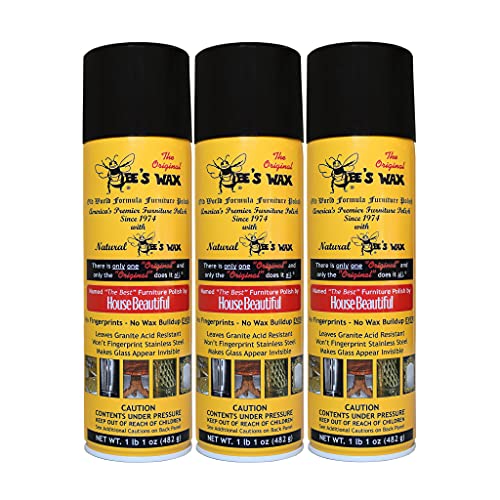
For wax finishes, using a clear paste wax helps to preserve the sheen. I apply the wax sparingly, allowing it to dry before buffing with a clean, soft cloth. This enhances the finish while adding a protective layer.
In cases where the surface has become dull, using a commercial furniture polish designed specifically for antiques can restore its luster. It’s important to choose formulas that are free from silicones, as they can create build-up over time.
Always test any cleaning technique on an inconspicuous area first. This precaution helps to ensure that I won’t inadvertently damage the delicate finish.
Methods for Repairing Damaged Wood
For minor scratches, I mix equal parts of linseed oil and white vinegar. This solution fills in the imperfections and enhances the natural luster of the surface. Apply with a soft cloth, rubbing gently until the scratch disappears.
For deeper gouges, I use wood filler that matches the original grain. After cleaning the area, I apply the filler with a putty knife, pushing it into the groove. Once dry, I sand it smooth with fine-grit sandpaper, then finish with a matching stain for seamless blending.
For cracked wood, I opt for a wood glue that dries clear. I carefully separate the cracked pieces, apply glue into the fissure, and clamp them together until cured. If the crack is extensive, I might insert wooden dowels for added stability.
I also utilize a steam treatment for warp correction. By placing a damp cloth on the warped section and applying a hot iron briefly, I can reshape the wood. Caution is essential to avoid scorching or further damage.
Surface scratches can also be concealed with a matching furniture crayon. I simply rub the crayon into the scratch and buff it gently with a soft cloth for a smooth finish.
| Method | Description | Materials Needed |
|---|---|---|
| Oil and Vinegar Mix | Fills scratches and enhances shine | Linseed oil, white vinegar, soft cloth |
| Wood Filler | Repairs deeper gouges and matches grain | Wood filler, putty knife, fine-grit sandpaper, stain |
| Wood Glue | Fixes cracks with strong adhesion | Wood glue, clamp |
| Steam Treatment | Corrects warped sections | Damp cloth, iron |
| Furniture Crayon | Conceals surface scratches | Matching color crayon, soft cloth |
For extensive damage, it may be best to seek professional help, especially for structural repairs or refinishing. However, these methods allow for effective restoration of minor issues right at home.
Applying Modern Finishes While Preserving Character
Selecting a finish that honors the original craftsmanship while enhancing the overall aesthetic is key. Begin with a test patch in an inconspicuous area to gauge how the wood reacts to the chosen product.
Recommended Modern Finishes
- Water-Based Polyurethane: Offers durability without altering the wood’s natural appearance. It dries quickly and has lower VOC levels.
- Natural Oil Finishes: Products like tung or linseed oil penetrate deep, highlighting the grain while providing a soft sheen.
- Wax Finishes: Great for a matte look, they can add a protective layer and can be reapplied easily over time.
Application Techniques
- Clean the surface thoroughly, ensuring no dust or grease remains.
- Apply the finish using a brush or cloth. For oil-based products, a foam applicator may work best to avoid bubbles.
- Allow proper drying time between coats, sanding lightly with fine-grit paper if needed to achieve a smooth finish.
After completing the application, inspect the surface for consistency in sheen and coverage. Touch up any areas that require additional attention to preserve the authenticity of the piece.
Tips for Incorporating Updated Pieces into Your Space
Consider using a neutral color palette for your walls and larger items. This will allow the refreshed antiques to stand out without clashing, creating a harmonious visual appeal.
Balancing Old and New
Mixing contemporary elements with traditional ones can create an eclectic atmosphere. Pair an updated chair with a classic table, ensuring that the colors complement each other. For example, a sleek, modern lighting fixture can coexist beautifully with a vintage sideboard, provided the materials and finishes are considered carefully.
Focal Points and Arrangement
Utilize a striking piece as a focal point. Position an enhanced chest of drawers or a chair in a prominent spot, drawing attention. Arrange surrounding elements to create balance, ensuring nothing competes for attention. Accessorize subtly, using art or textiles that echo the style of the pieces without overwhelming them.


