
 Caleb Turner
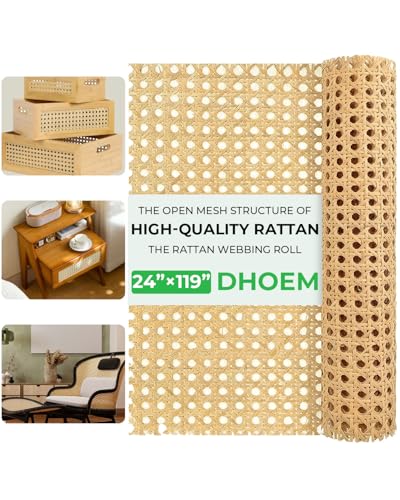
To breathe new life into your woven items, I recommend a thorough cleaning followed by a fresh coat of paint. Start by using a mixture of warm water and mild soap to scrub away dirt and stains. Gently brush the crevices with an old toothbrush to ensure every nook is spotless.
Once dry, consider applying a spray paint suitable for outdoor use if your pieces will remain outside, or pick an indoor-friendly option for indoor decor. Choose a bold color to make a statement or a soft hue for a more understated look. This quick transformation will make your pieces feel contemporary and inviting.
For added flair, swap out old cushions with new fabric. Select patterns or textures that complement your revamped color scheme. This simple update creates a cohesive style and adds comfort, making your woven seating area attractive and functional.
Finally, accessorize with complementary decor. Incorporating plants or natural elements around your remade pieces not only enhances their aesthetic but also brings a sense of harmony to your space. With these straightforward steps, you’ll enjoy a renewed atmosphere without the need for expensive replacements.


Transforming Natural Weaves
Consider applying a fresh coat of paint in a bold hue to the natural weaves. Choose a spray paint designed for outdoor use to ensure durability.
Swap out old cushions for new ones that complement your refreshed color scheme. Opt for weather-resistant fabrics that can withstand outdoor elements.
Integrate additional elements by adding a glass or wood tabletop to a side table. This gives a new dimension and functionality while preserving the charm of the original piece.
Mix textures by incorporating metallic accents or woven throws. This contrast not only enhances aesthetic appeal but also adds comfort and warmth.
Enhance the base with furniture pads to protect floors and stabilize the item on uneven surfaces. This simple addition elevates usability and prolongs life.
Create a cohesive look by grouping similar items together. Consider different heights and shapes to establish an engaging visual display in your space.
Don’t overlook the power of accessories; vibrant planters or decorative trays can breathe new life into a neglected piece. Choose items that harmonize with your chosen theme.
Assessing the Condition of Natural Weave Pieces
Examine the entire surface for signs of damage or wear. Look for cracks, snags, or discoloration, as these indicate necessary repairs. Pay particular attention to joints; weak connections can compromise stability. If any sections feel brittle, replace them to prolong lifespan.
Evaluating Structural Integrity
Test the sturdiness by applying gentle pressure to different areas. If creaking or wobbling occurs, reinforce those parts or consider reweaving. Inspect the legs and base for any weakening that might cause the piece to tip over or collapse under weight.
Identifying Necessary Repairs
Check for loose strands or fraying material. If detected, these areas should be mended immediately to prevent further issues. For aesthetic purposes, consider refreshing the finish if it’s peeling or faded–this can drastically improve appearance and protect against environmental factors.
Choosing the Right Materials for Upcycling
For any reinvention project, selecting suitable components is key. Natural fibers like cotton or jute work well for upholstery due to their durability and ease of maintenance. Look for upholstery fabrics that can withstand wear and tear, ensuring long-lasting use.
Paints and Finishes
Opt for water-based paints or eco-friendly options. These provide a smoother finish and allow for various textures, enhancing the aesthetics without introducing harmful chemicals. Consider sealants that offer UV protection if your items will be outdoors to prevent fading.
Hardware and Accessories
New knobs, hinges, or legs can dramatically change appearances. Brass or reclaimed metal details add a touch of elegance, while reclaimed wood accents can provide a rustic feel. Ensure they are sturdy and align with your overall design vision.
Using salvaged components not only adds character but also contributes to sustainability. Whenever possible, source materials from local thrift stores or online marketplaces for unique finds.
Cleaning and Preparing for Transformation
I recommend tackling dirt and grime before any transformation. Start with a soft brush to gently remove surface dust from the weave. For deeper cleaning, prepare a mixture of warm water and mild soap.
Apply the solution with a soft cloth or sponge, and be careful not to soak the material. Rinse using a damp cloth to eliminate any soapy residue, then let the piece dry completely in a well-ventilated area.
If there are stubborn stains, a mixture of vinegar and water can be effective. Test this solution in an inconspicuous area first to ensure it won’t cause discoloration.
After cleaning, inspect the piece closely:
- Check for any loose strands or damage in the weaving.
- Look for discolored spots or signs of wear that might need reinforcement.
Next, sand any rough areas lightly. This will smooth the surface and prepare it for finishes or paint. Use fine-grit sandpaper for best results, and remember to wipe away any dust afterward.
Finally, apply a coat of wood conditioner if you plan to stain or paint. This step helps ensure even application and enhances adhesion.
Techniques for Repairing Damaged Rattan
For frayed sections, I use a high-quality glue specifically designed for natural materials. Apply the adhesive directly to the frayed ends, press them together, and hold until set.
When a strand is completely broken, I cut a similar length from a less visible area of the piece or use replacement cane from a craft store. To reattach, thread the new piece through the existing structure, ensuring a tight fit.
Loose joints can be addressed by using clamps to realign and then reinforcing with wood glue. Once dry, I sand the area smooth to maintain aesthetics.
Discoloration on the surface often requires a gentle scrub with a mixture of baking soda and water. This method removes stains without damaging the weave.
For worn areas, I apply a wood stain that matches the original color, using a fine brush to reach crevices.
Lastly, if mold appears, I clean it with a mixture of vinegar and water, scrubbing gently to avoid damaging the fibers. After cleaning, I ensure thorough drying, preventing future growth.
Painting and Staining Rattan: Tips and Tricks
Choose high-quality acrylic or latex paint for a lasting finish. I recommend using spray paint for even coverage on intricate details. If opting for a stain, select one designed for natural fibers to enhance the texture.
Preparation Steps
Ensure the surface is well-cleaned and sanded lightly to promote adhesion. Any existing finish should be removed completely; this can be done with a solvent or by sanding. Pay attention to crevices where dirt may accumulate.
Application Techniques
For painting, apply in thin, even layers, allowing adequate drying time between coats–two to three should suffice. Use a foam or synthetic brush for better control, especially around woven sections. With staining, test on a small area first. Apply with a cloth, wiping off excess for a smoother finish.
| Technique | Material | Drying Time |
|---|---|---|
| Spray Paint | Acrylic/Latex | 1-2 hours between coats |
| Brush Application | Acrylic/Latex | 1-2 hours between coats |
| Staining | Wood Stain for Natural Fibers | 2-4 hours to set |
Finish with a clear sealant to protect against wear. This will also enhance the color and give a polished look. Don’t rush the drying process–safety against chipping comes with patience.
Incorporating New Fabrics into Rattan Designs
Selecting a fresh fabric can dramatically enhance the visual appeal of your natural woven pieces. Opt for materials that not only complement but also contrast with the existing tones of the structure. For instance, bold patterns can infuse a lively spirit, while textured neutrals may evoke a sense of tranquility.
Fabric Types to Consider
When choosing fabrics, consider these options:
| Fabric Type | Characteristics | Best Use |
|---|---|---|
| Cotton | Breathable, easy to clean | Casual settings, slipcovers |
| Linen | Textured, elegant finish | Formal rooms, soft upholstery |
| Outdoor Fabric | Durable, water-resistant | Patios, gardens, high-traffic areas |
| Velvet | Soft, luxurious | Accent pieces, plush cushions |
Techniques for Application
After selecting appropriate material, consider the following methods for application:
– Reupholstering: Remove the old fabric and carefully replace it with your new choice, ensuring to secure it tightly with a staple gun for a smooth finish.
– Cushions and Pillows: Create removable covers for easy cleaning. This allows for seasonal changes without a complete overhaul.
– Add Trim: Enhance edges with decorative trim or piping to give a polished look.
Experimenting with different hues and textures can breathe new life into otherwise tired items, making them a statement piece in your home.
Creating Custom Rattan Furniture Arrangements
Begin with measuring your space. Knowing the dimensions allows for optimal placement of your revamped pieces. Next, consider a layout that promotes flow and functionality.
Strategic Arrangement Tips
- Group similar items together to create cohesive areas. For example, pair chairs and sofas with tables for a conversational setup.
- Leave adequate walkways. Ensure there’s enough space for movement, ideally 2-3 feet between pieces.
- Utilize corners effectively by placing larger items, such as sectionals, to maximize available space.
Incorporating Accessories
Enhance arrangements with cushions and throws. Choose fabrics that contrast with the natural textures for a striking visual. Clustering decorative items like vases or books can also add personality.
Consider multi-functional pieces. Ottomans or benches can serve dual purposes, providing both seating and storage. This not only saves space but also maximizes utility.
- Experiment with layering. Use rugs to define areas, especially in open layouts.
- Create focal points by placing standout items, such as a beautifully crafted chair, in prominent spots.
Lastly, embrace personal style. Whether it’s bohemian, coastal, or eclectic, your unique taste should guide the arrangement. Mix and match until it feels right.
Environmental Benefits of Upcycling Rattan
Transforming existing pieces significantly reduces waste. By giving new life to what might otherwise end up in a landfill, I contribute to minimizing the environmental footprint. Through this process, less demand is placed on the production of new materials, which often involves resource-intensive methods that contribute to deforestation and pollution.
Repurposing natural fibers helps in conserving energy and resources. Manufacturing new items requires substantial amounts of water, energy, and raw materials. In contrast, refurbishing existing items uses far fewer inputs, ultimately leading to lower greenhouse gas emissions.
Moreover, breathing new life into these structures supports biodiversity. By choosing sustainable finishes and fabrics, I can further ensure that my projects do not harm local ecosystems. This approach encourages the responsible sourcing of materials, favoring those that are eco-friendly and less harmful to the environment.
Additionally, this creative endeavor promotes a culture of sustainability. It encourages others in my community to rethink consumption patterns and prioritize repair over replacement. By showcasing innovative designs, I inspire a shift towards more sustainable living practices.
This practice aligns with circular economy principles, where items are reused and recycled rather than discarded. Engaging in this form of creativity not only benefits the environment but also enhances personal fulfillment and satisfaction, knowing that my efforts contribute to a healthier planet.
Showcasing Your Upcycled Rattan Creations
Display your transformed pieces prominently in your living space to highlight their unique character. Choose a well-lit area, such as a corner by a window, to showcase the intricacies of your craftsmanship. To enhance their appeal, consider grouping similar items together.
Curating a Gallery Space
Create a dedicated gallery wall featuring your updated creations. Use floating shelves or a combination of hooks and hangers to exhibit various items together. Play with heights and angles to create visual interest.
- Include labels or descriptions next to each piece to share your inspiration and techniques.
- Incorporate greenery or other decorative elements to frame and accentuate your works.
- Rotate displayed items regularly to keep the space dynamic and engaging.
Utilizing Social Media
Leverage platforms like Instagram and Pinterest to reach a wider audience. Share high-quality images of your projects, detailing the transformation process. Engage with followers by sharing tips and answering questions, creating a community around your craft.
- Use appropriate hashtags to connect with others in the DIY community.
- Consider creating a short video tutorial showcasing your techniques, which can engage your audience further.
- Encourage feedback from viewers, fostering a lively conversation around your designs.
Hosting small gatherings with friends or family can also provide a personal touch to showcase each piece. Discuss the stories behind your creations while allowing others to experience them up close. Such interactions not only promote your work but also inspire others to explore similar projects.
FAQ:
What is upcycling in the context of rattan furniture?
Upcycling refers to the process of transforming old or discarded furniture into something new and useful, enhancing its value in the process. When it comes to rattan furniture, this might involve repairing, refinishing, or creatively repurposing pieces to extend their life and functionality. This practice not only contributes to sustainability by reducing waste but also allows for personalized and unique decor.
How can I assess whether my rattan furniture is suitable for upcycling?
To determine if your rattan furniture is a good candidate for upcycling, you should inspect it for structural integrity and overall condition. Look for any signs of damage, such as broken or loose pieces, rotting, or excessive wear. If the frame is solid and the rattan weaving is intact or easily repairable, these pieces are likely suitable for an upcycle project. Additionally, think about how you envision the finished product and whether the current style aligns with that vision.
What are some popular techniques for upcycling rattan furniture?
There are various techniques for upcycling rattan furniture, including painting or staining the rattan, reweaving sections with new materials, adding cushions for comfort, or reimagining the piece’s function altogether. For instance, an old rattan chair can be transformed into a stylish plant stand or a bookshelf. Another approach is to combine rattan pieces with other materials, like wood or metal, to create a mixed-media item that stands out.
What supplies do I need for a basic rattan furniture upcycling project?
The supplies required for upcycling rattan furniture can vary based on the specific project but generally include sandpaper, paint or stain, brush or spray gun, repair glue, and possibly new fabric for upholstery. You may also need tools like a screwdriver or pliers for disassembly, as well as a protective finish to seal your work. It’s best to gather everything before starting to ensure a smooth and efficient process.
Can I upcycle rattan furniture if I have no experience in DIY projects?
Absolutely! Upcycling rattan furniture can be a rewarding project, even for beginners. Start with a simple task, such as repainting or adding cushions to an existing piece. Many online resources, including video tutorials and articles, can guide you through the process step-by-step. The key is to take your time, follow instructions, and don’t hesitate to ask for help or advice from more experienced DIY enthusiasts if needed.
What are some creative ideas for upcycling rattan furniture?
There are numerous ways to upcycle rattan furniture, allowing you to give it a new lease on life. One popular approach is to repaint or refinish the pieces. You can choose a bold color to make a statement or a soft pastel shade for a more subtle look. Another idea is to reupholster any cushions or textiles to match your current décor, adding a fresh touch. You can also combine rattan furniture with other materials, like using wood or metal elements, to create a mixed-media piece. Additionally, consider using rattan chairs as plant stands or decorative storage by adding fabric or baskets. Personalizing the furniture with stencils or decals can also be an effective way to add uniqueness.
How do I care for and maintain upcycled rattan furniture?
Caring for upcycled rattan furniture involves regular maintenance to ensure longevity. First, clean it gently with a soft cloth and a mild soap solution to remove dust and dirt, taking care not to soak the material. If your furniture is painted or stained, ensure to check for any chipping or damage and touch it up as needed to maintain its appearance. It’s also advisable to avoid placing rattan furniture in direct sunlight for extended periods as this can cause fading or drying out. Additionally, to keep the natural fibers from becoming brittle, consider applying a protective sealant periodically if the furniture is used outdoors. Finally, if your furniture includes cushions, wash or replace them as necessary to keep everything looking fresh.


