
 Caleb Turner
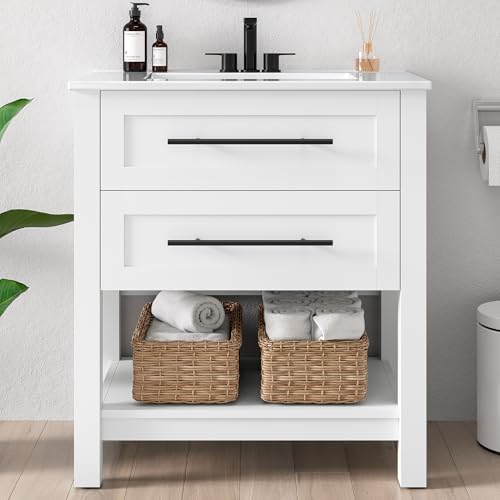
Repurposing an old side table or dresser can give your wash area a unique touch while saving money. Begin with measurements to ensure your chosen piece aligns with plumbing and available space. Select an item that provides sufficient height and width for ease of use.
Remove any drawers or hardware that interfere with placement. Consider reinforcing the structure if it’s lightweight or unstable. Adding a wooden board on top can provide a solid surface, ensuring functionality and durability when installing a sink.


Opt for a water-resistant finish on wood surfaces to prevent damage from moisture. For an added layer of protection and style, use a decorative countertop or paint the piece in a color that complements your overall decor. Personalize further by attaching unique knobs or handles for a custom look.
Lastly, strategize for plumbing–ensure accessibility for water supply lines and drainage. With these steps, you can effortlessly enhance your space while staying within a budget and maintaining a sense of individuality.
Transforming an Old Cabinet into a Stylish Sink Stand
Begin with selecting a sturdy cabinet that complements your existing decor. Ensure it’s deep enough to accommodate plumbing fixtures. Remove any doors or drawers that obstruct access to the sink area.
Preparing for Installation
Measure the space allotted for the basin and mark the appropriate height on the cabinet. Cut an opening using a jigsaw, ensuring it aligns with your basin’s dimensions. Sand the edges for a smooth finish to prevent splintering.
Finishing Touches
Paint or stain the cabinet to suit your aesthetic. Choose a water-resistant sealant to protect the surface from moisture. After installation, consider adding stylish knobs or handles to elevate the overall appearance.
Secure plumbing connections carefully, ensuring no leaks before finishing your setup. This repurposed piece not only serves as a functional element but also enhances the visual appeal of your space.
Selecting the Right Furniture for Your Vanity
The best choices for a basin stand involve sturdy pieces with adequate storage or design potential. Opt for items such as dressers, console tables, or cabinets that match your space’s overall aesthetics.
Prioritize width and depth; ensure ample surface area for the washbasin and additional items. Measure your available space carefully to avoid awkward fits.
Look for durable materials; solid wood or quality MDF provides longevity and withstands moisture. Avoid particleboard if possible, as it may degrade over time in a humid environment.
Consider the height of the chosen piece; standard countertop height ranges from 32 to 36 inches. Make adjustments as needed for personal comfort and accessibility.
If adding shelving, ensure the configuration allows easy access to toiletries while maintaining a clean visual presentation. Avoid clutter by including drawers or hidden compartments.
Integrate style elements that resonate with your taste, whether modern, rustic, or vintage. Ensure the selected item harmonizes with color palettes and existing fixtures.
Lastly, assess plumbing requirements. Ensure any chosen unit accommodates the necessary plumbing modifications without excessive expense or effort.
Measuring Your Space and Dimensions of Options
Accurate measurements are crucial for a successful transformation process. I recommend starting by measuring the available area in the restroom. Use a tape measure to capture the width, depth, and height of the space where the new installation will sit. It’s vital to account for any surrounding fixtures, such as sinks or bathtubs, to ensure everything fits seamlessly.
Understanding the Size of Your Selected Piece
Next, gather dimensions of the item you intend to use. Focus on width, depth, and height measurements. Evaluate the height in relation to your standing and seated positions to maintain comfort and functionality. Make sure to leave enough room for plumbing and additional storage if needed.
Allowing for Clearances and Accessibility
After the initial measurements, plan for clearance around the newly positioned object. Ideally, there should be at least 30 inches of space in front of the unit for usability. Don’t forget to include allowances for doors and drawers to open without obstruction. Assess the flow of movement in the area to create a practical and inviting atmosphere.
Preparing the Furniture for Conversion
Sand the surface to remove any existing finish. This ensures better adhesion for paint or stain. Use a medium-grit sandpaper, followed by a finer grit for a smooth surface. Wipe away dust with a damp cloth after sanding to achieve a clean work area.
Check for structural integrity. Inspect joints and ensure the piece is sturdy. Tighten any loose screws or replace damaged parts with new hardware. Reinforce weak spots with wood glue or brackets as necessary.
Refinishing Techniques
- For a fresh look, consider painting. Use high-quality primer and paint designed for furniture. Satin or semi-gloss finishes are ideal for easy cleaning and durability.
- If opting for staining, choose a color that complements your overall design. Test the stain on a hidden area to see how it looks before applying it to the entire surface.
Seal the surface after painting or staining with a clear topcoat, such as polyurethane. This provides added protection against moisture and wear.
Preparing for Sink Installation
Cut necessary holes for plumbing. Measure the sink and mark its location on the countertop. Use a jigsaw or hole saw to create an opening, ensuring clean edges. Seal any exposed wood with waterproof sealant to prevent damage.
Install a supportive structure inside if using a vessel sink, as this will bear additional weight. Ensure there is adequate clearance for plumbing connections and consider positioning for ease of access.
After these steps, the piece is ready for plumbing and countertop installation. Organizing tools and materials beforehand will streamline this process.
Creating and Installing the Sink Cutout
Measure the sink’s dimensions accurately, including the diameter or outline shape for drop-in models. Use a pencil to mark the cutout on the surface of your selected piece.
Start with a template. Lay out a piece of cardboard or paper matching the sink’s size. Center it on the marked area, ensuring equal borders around the edges. Trace around the outside of the template for precision.
After marking, double-check measurements and adapt if necessary.
- Keep a level surface for accurate cutting.
- Use a jigsaw for curved cuts and a circular saw for straight edges.
Before proceeding, wear safety goggles and a mask to protect from dust. For clean edges, place painter’s tape along the cut line to minimize chipping.
Once the cut is made, smooth any rough edges with sandpaper. Test fit the sink in the cutout to ensure a snug fit.
After confirming proper placement, apply a bead of silicone caulk around the edge of the cutout. This will seal the gap between the sink and the material, preventing water damage.
Carefully lower the sink into position, pressing gently to ensure a tight seal. Finally, allow the sealant to cure as per the manufacturer’s instructions before attaching plumbing components.
Attaching the Vanity Top Securely
To ensure a stable installation of your countertop, first, clean the top edge of the base thoroughly. This eliminates dust and grime, allowing for a better adhesive bond. For securing the surface, use a high-quality silicone adhesive or construction adhesive specifically designed for bathroom use. Apply a generous bead along the perimeter of the top edge, ensuring even coverage.
Using Clamps for Stability
After placing the countertop on the vanity base, utilize clamps to hold it in place while the adhesive cures. Position clamps at corners and along the edges, being careful not to apply excessive pressure that may distort the shape. Check for levelness and adjust as necessary before leaving the adhesive to set according to the manufacturer’s instructions.
Final Touches and Sealant Application
Once the adhesive is fully cured, inspect the joints where the countertop meets the cabinetry. Fill any gaps with a color-matched caulk for a seamless finish. This not only enhances the appearance but also prevents water seepage, prolonging the life of your installation. Regularly check the seals and reapply as needed to maintain a watertight barrier.
Installing Plumbing Fixtures and Water Supply
Attach the water supply lines carefully, ensuring that hot and cold lines are connected correctly. Use a basin wrench for tight spaces as it allows for secure tightening without damaging the fixtures. Check local plumbing codes for required materials and compliance. Opt for flexible stainless steel hoses for easy installation and durability.
Connecting the Sink Fixture
Place the sink over the cutout and align it properly with the plumbing. Secure the faucet according to the manufacturer’s instructions. Use plumber’s tape on threads to prevent leaks. After securing the faucet, connect the water supply lines by hand, and then tighten them further with a wrench, being cautious not to overtighten.
Drainage Setup
Install the drain assembly, ensuring a tight seal between the sink and the drain pipe. Apply plumber’s putty to the underside of the drain flange to avoid leaks. Connect the P-trap to the drain pipe, ensuring it aligns with the wall’s plumbing. Check the alignment and height of the drain assembly for optimal drainage.
| Component | Instructions |
|---|---|
| Water Supply Lines | Connect hot and cold lines, using flexible hoses for ease. |
| Sink Fixture | Secure fixtures, using plumber’s tape for leak prevention. |
| Drain Assembly | Seal with plumber’s putty, ensuring a tight fit with the P-trap. |
Once the connections are made, turn on the water supply, and look for any leaks. It’s important to check all connections thoroughly. If leaks occur, tighten the fittings and recheck for any misalignments.
Finishing Touches: Painting and Sealing Your Creation
For a polished appearance, select a high-quality primer to prepare the surface. Apply a coat evenly, ensuring complete coverage to prevent future stains from seeping through. Once dried, choose a durable paint specifically formulated for cabinetry or high-moisture areas. Opt for a satin or semi-gloss finish that not only enhances aesthetics but also withstands humidity.
Application Tips
Use a paintbrush for corners and detailed work, while employing a roller for flat surfaces. Allow each coat to dry fully before adding more, typically a minimum of four hours. Apply at least two coats for a uniform look, sanding lightly between layers to achieve maximum adhesion.
Sealing the Surface
After the paint has cured, sealing is crucial for longevity. Select a water-resistant sealant to protect against moisture damage. Apply it with a clean brush, ensuring even distribution. Allow the sealant to dry completely as per the manufacturer’s instructions. For added protection, consider reapplying the sealant annually, especially in humid environments.
FAQ:
What types of furniture can be converted into a bathroom vanity?
Many types of furniture can be repurposed as a bathroom vanity. Common options include dressers, chests of drawers, console tables, or antique furniture pieces. Each of these can add a unique touch to your bathroom, depending on the style you desire. For example, a distressed wooden dresser can create a rustic look, while a sleek console table can give a modern vibe. It’s important to choose a piece that can support the weight of a sink and has enough surface area for toiletries.
How do I measure the space for my new bathroom vanity?
Measuring for a bathroom vanity requires careful attention to detail. First, determine the height, width, and depth of the space where you plan to install the vanity. Measure the area to ensure it fits comfortably without obstructing doors or pathways. Common vanity heights are around 30 to 36 inches, but this can vary based on personal preference. It’s also wise to consider the plumbing before making measurements, ensuring that there’s enough room for water supply lines and drainage.
What modifications are typically necessary to transform furniture into a bathroom vanity?
Transforming furniture into a bathroom vanity often requires several modifications. First, you’ll need to add a sink cutout on the top surface, which may involve using a jigsaw and sandpaper for smooth edges. Depending on the original piece, you might also need to reinforce the furniture to handle the weight of the sink and countertop. Additionally, you’ll want to install plumbing, which may necessitate drilling holes for water lines and drains. Lastly, consider water-resistant finishes to preserve the furniture in a humid environment.
What sink options work best with a converted furniture vanity?
When selecting a sink for a converted furniture vanity, there are several options to consider. Vessel sinks, which sit on top of the vanity, offer a stylish contrast to the furniture’s surface. Undermount sinks are another popular choice, providing a seamless look. Drop-in sinks can also be used, though they require more cutting and modifications. The choice largely depends on the size and height of your converted vanity, as well as your design preference. Ensure that the sink size is proportionate to the vanity for aesthetic balance.
How can I ensure the longevity of my converted furniture vanity?
To ensure that your converted furniture vanity lasts, it is crucial to treat it with care and proper maintenance. Start by applying a water-resistant sealant to protect against humidity and moisture damage. Regular cleaning is important—avoid harsh chemicals that can deteriorate the finish. Additionally, check the plumbing periodically for leaks and ensure that the seals around the sink remain intact. If you notice any warping or damage over time, address these issues promptly to maintain the integrity of the vanity.
What types of furniture can be transformed into a bathroom vanity?
You can use various types of furniture for this project. Common options include dressers, console tables, or even old cabinets. Look for pieces that are sturdy and have enough surface area for a sink. The style can range from vintage to modern, allowing you to choose something that fits your bathroom’s aesthetic. Make sure to ensure proper drainage and water resistance, as your vanity will be in a humid environment.


